Enterprise buyers face a fundamental tradeoff today: the need for more compute power without proportional increases in energy use. NVIDIA’s $2 billion investment in Marvell and expansion of its NVLink Fusion partnership aims to bridge that gap, but whether it delivers on both performance and availability remains an open question.
The collaboration centers on NVLink Fusion, a rack-scale platform designed for semi-custom AI infrastructure. Marvell will provide custom XPUs and scale-up networking components, while NVIDIA contributes its Vera CPU, ConnectX NICs, Bluefield DPUs, and Spectrum-X switches. Together, they promise heterogeneous AI systems that seamlessly integrate with NVIDIA’s GPU, LPU, networking, and storage platforms.
What sets this apart is the focus on silicon photonics—a technology critical for high-speed optical interconnects in data centers. While NVIDIA has long dominated discrete GPUs like the RTX 5090 (rumored to reach $5,000 due to AI demand), NVLink Fusion targets a different segment: enterprises building specialized AI factories where power efficiency is non-negotiable.
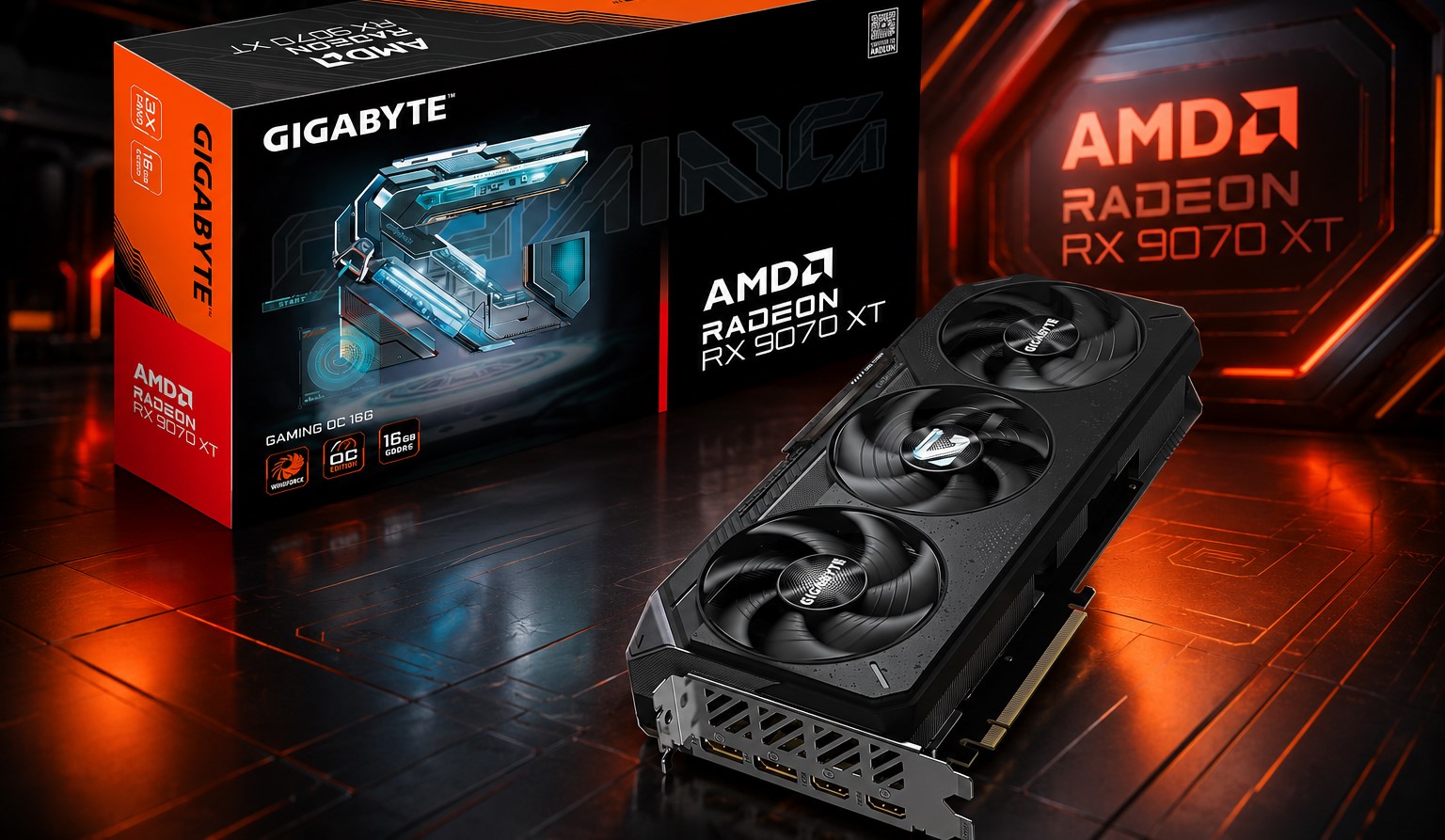
For now, the partnership’s immediate impact is unclear. NVIDIA’s AI factory narrative has gained traction, but supply constraints—seen in the RTX 5070 and RTX 5060’s 16 GB variant—suggest that scaling this infrastructure won’t be straightforward. Marvell’s role in custom silicon could ease some bottlenecks, but enterprise buyers will need more than promises to justify the cost.
The real test lies in execution. NVIDIA has a track record of delivering high-performance hardware, but turning rack-scale AI into a practical solution requires more than just investment and partnership announcements. If successful, this collaboration could redefine how data centers balance performance with power consumption—though skepticism is warranted given past supply challenges.