Agentic AI systems demand more than just advanced models—they require seamless integration across devices, cloud infrastructure, and data layers. NVIDIA is partnering with Microsoft to deliver this end-to-end stack, targeting developers who need performance without compromise.
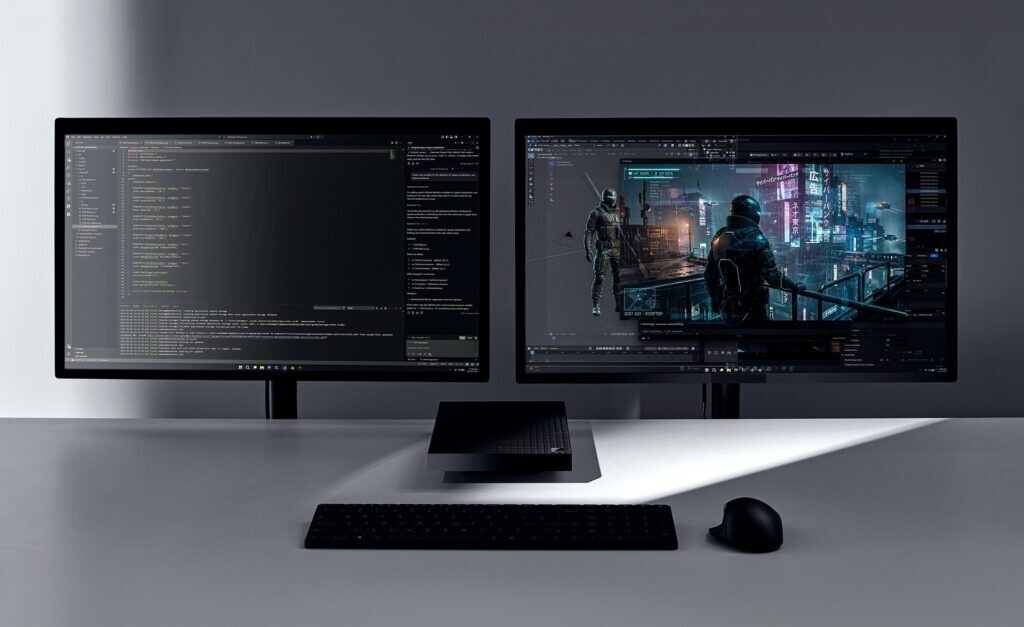
The collaboration focuses on Windows-based endpoints, Azure cloud deployments, and local AI inference, offering a unified approach that leverages NVIDIA’s hardware acceleration and Microsoft’s cloud ecosystem. While details on exact release timelines remain unclear, the partnership suggests a push toward more efficient, large-scale AI workflows.
Hardware and Software Synergy
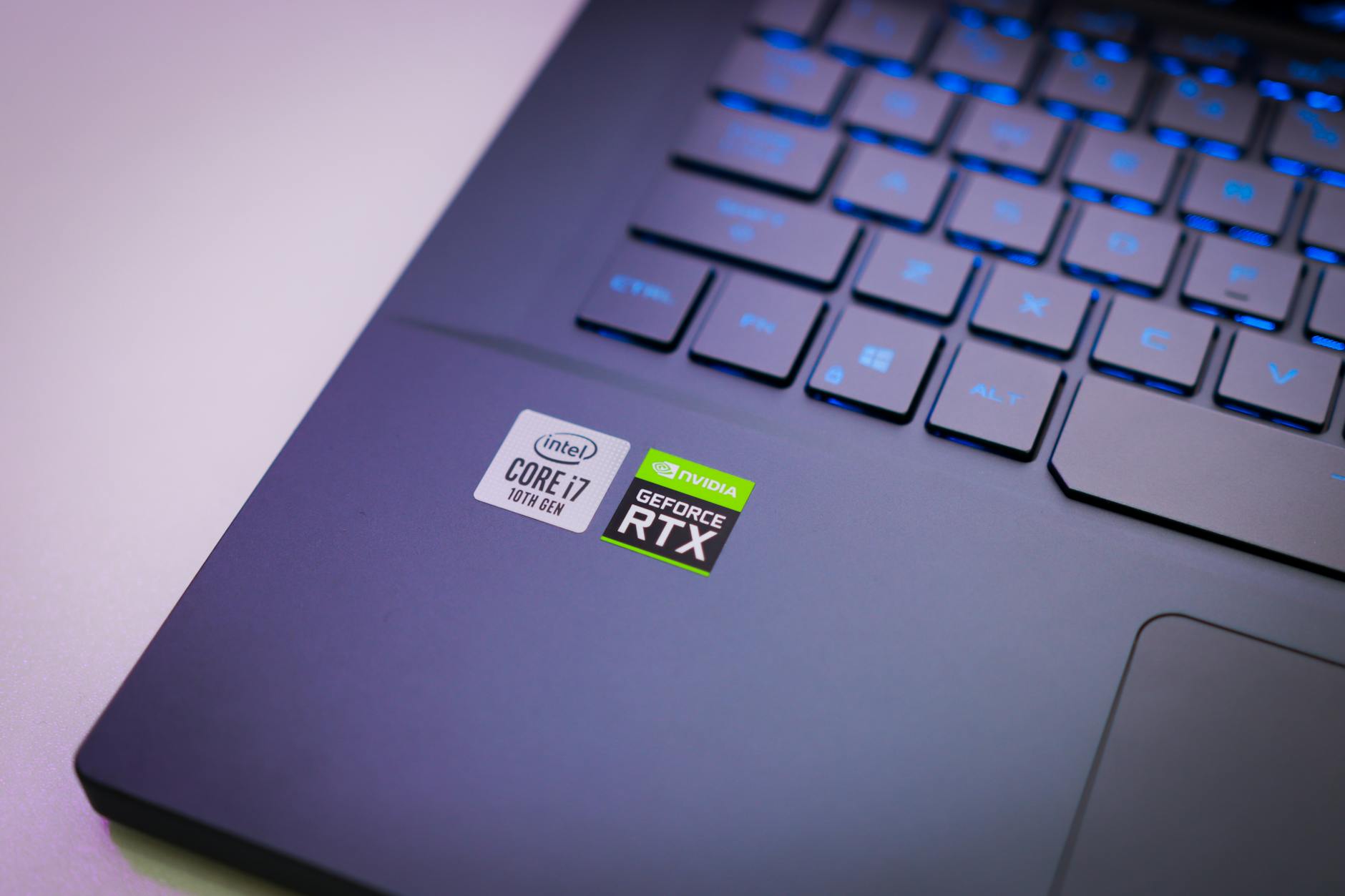
The foundation of this stack lies in NVIDIA’s GPUs, which provide the necessary compute power for long-running reasoning tasks. Microsoft’s Windows devices will integrate these components, ensuring low-latency performance for AI applications. Additionally, Azure’s data layer will support real-time processing, reducing bottlenecks in distributed AI systems.
Key Considerations
- Performance: NVIDIA’s GPUs are optimized for AI workloads, but their effectiveness depends on software stack maturity.
- Security: Microsoft’s runtime environment will prioritize secure execution, though enterprise adoption hinges on rigorous testing.
- Scalability: Cloud-to-local deployment flexibility is a strength, but local inference may face limitations in resource-constrained environments.
This partnership reflects a broader trend toward integrated AI infrastructure, where hardware and software evolve together. However, challenges remain in balancing performance with security and ensuring compatibility across diverse workloads. Enterprises seeking seamless AI deployment will need to monitor how this stack evolves, particularly in edge computing scenarios.