Storage density has just reached a new frontier: a single M.2 slot can now hold 245 terabytes of data—nearly the equivalent of a quarter petabyte.
The Micron 6600 ION SSD shatters previous capacity records, offering more than double the storage of its closest predecessors while maintaining the compact form factor that has become standard in modern systems. This isn't just about raw numbers; it's about redefining how data is stored, accessed, and managed in both consumer and enterprise environments.
Redefining What’s Possible
The 6600 ION doesn’t just follow the trend toward larger SSDs—it accelerates it. Previous high-capacity drives typically maxed out around 100 terabytes, but Micron’s innovation pushes that limit to 245 terabytes without compromising on performance or reliability. The drive achieves this through a combination of advanced NAND technology and an optimized controller architecture, though exact benchmarks are still under verification.
For users working with massive datasets, the implications are significant. The need for complex RAID setups or external expansion bays may soon become obsolete, as a single 6600 ION can handle workloads that previously required multiple drives or additional hardware. However, this level of density also introduces new challenges, particularly around power delivery and thermal management.
Compatibility and the Future of Storage
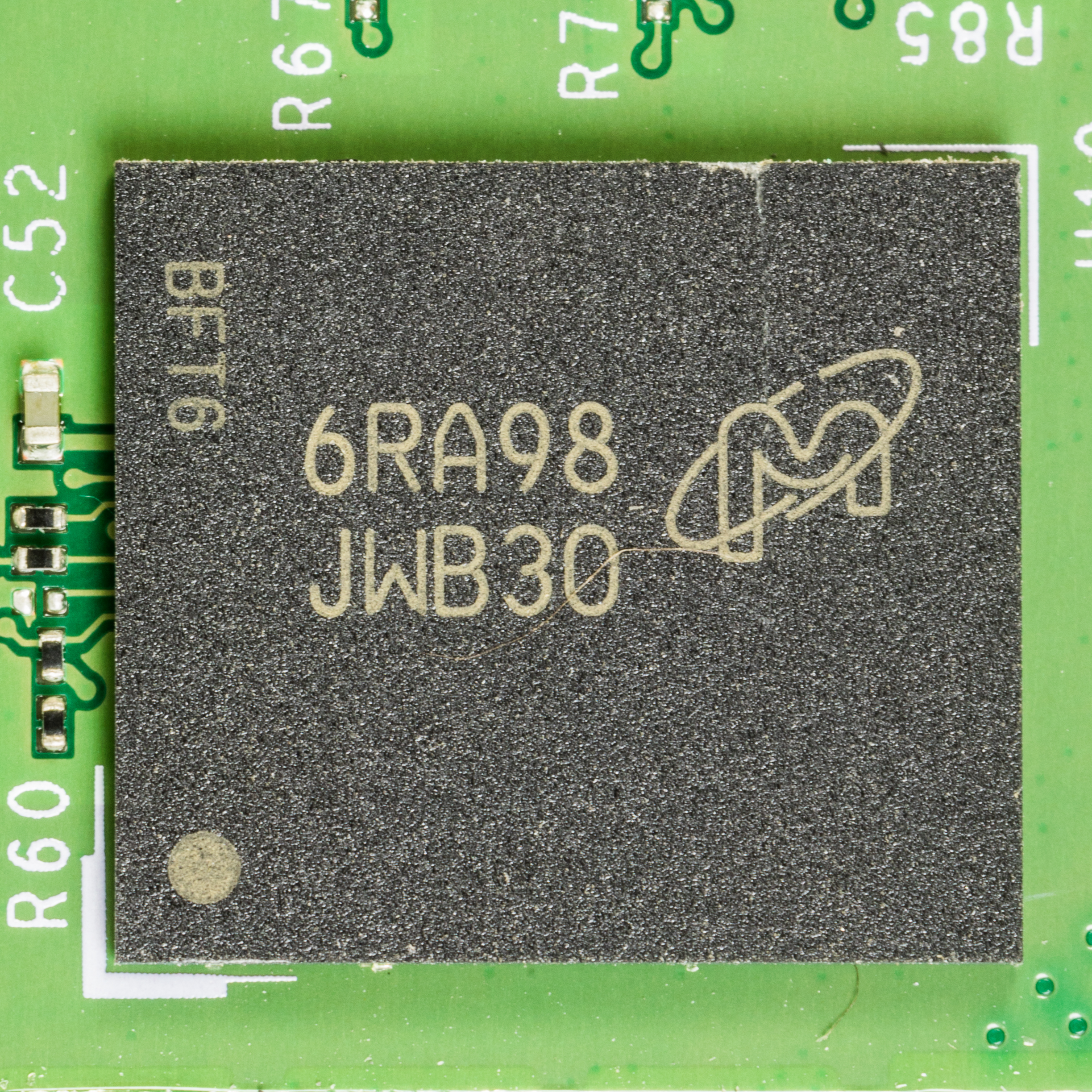
The 6600 ION’s arrival forces a critical question for both manufacturers and users: how prepared are current systems to handle such high-density storage? While Micron has addressed key issues like throttling and power consumption, many existing platforms may struggle to fully utilize the drive’s potential without additional hardware or firmware upgrades.
This shift also accelerates market dynamics. Users must weigh the benefits of future-proofing their systems against the risks of investing in a drive that outstrips current platform capabilities. Compatibility isn’t just about physical slots—it extends to motherboard chipsets, operating system support, and even data management strategies.
Looking Ahead
The 6600 ION is more than a product; it’s a signal that storage density has entered a new phase. Its capacity challenges manufacturers to adapt quickly, while users must navigate the balance between upgrading now or waiting for systems specifically designed to handle this level of performance.
For power users and enterprises alike, the 6600 ION represents a turning point. The normalization of quarter-petabyte storage in mainstream form factors means that system design, upgrade cycles, and compatibility risks will require closer attention than ever before. As Micron continues to push boundaries, the rest of the industry must keep pace—or risk being left behind.