In the evolving landscape of workplace technology, Microsoft has unveiled Scout, an AI agent built with a singular purpose: to streamline business operations through intelligent automation.
The agent, which operates continuously in professional settings, is engineered to handle a range of tasks—from data analysis and document processing to meeting scheduling and workflow optimization. Unlike previous attempts at office automation, Scout is positioned as a persistent, always-on assistant rather than a tool that fades into the background after completing a single task.
At its core, Scout leverages Microsoft’s latest advancements in AI, including its proprietary large language models and integration with established productivity platforms like Office 365. This ensures compatibility with existing business ecosystems while introducing new layers of functionality. Key features include real-time collaboration tools, adaptive learning to refine task execution over time, and a modular architecture that allows businesses to tailor the agent’s capabilities to their specific needs.
Technical Underpinnings
The architecture behind Scout is notable for its balance between performance and scalability. It operates on a combination of cloud-based processing and edge computing, which Microsoft claims minimizes latency—a critical factor in workplace environments where responsiveness directly impacts productivity. The agent’s learning model is designed to evolve dynamically, meaning it doesn’t just perform tasks but also learns from interactions to improve efficiency.
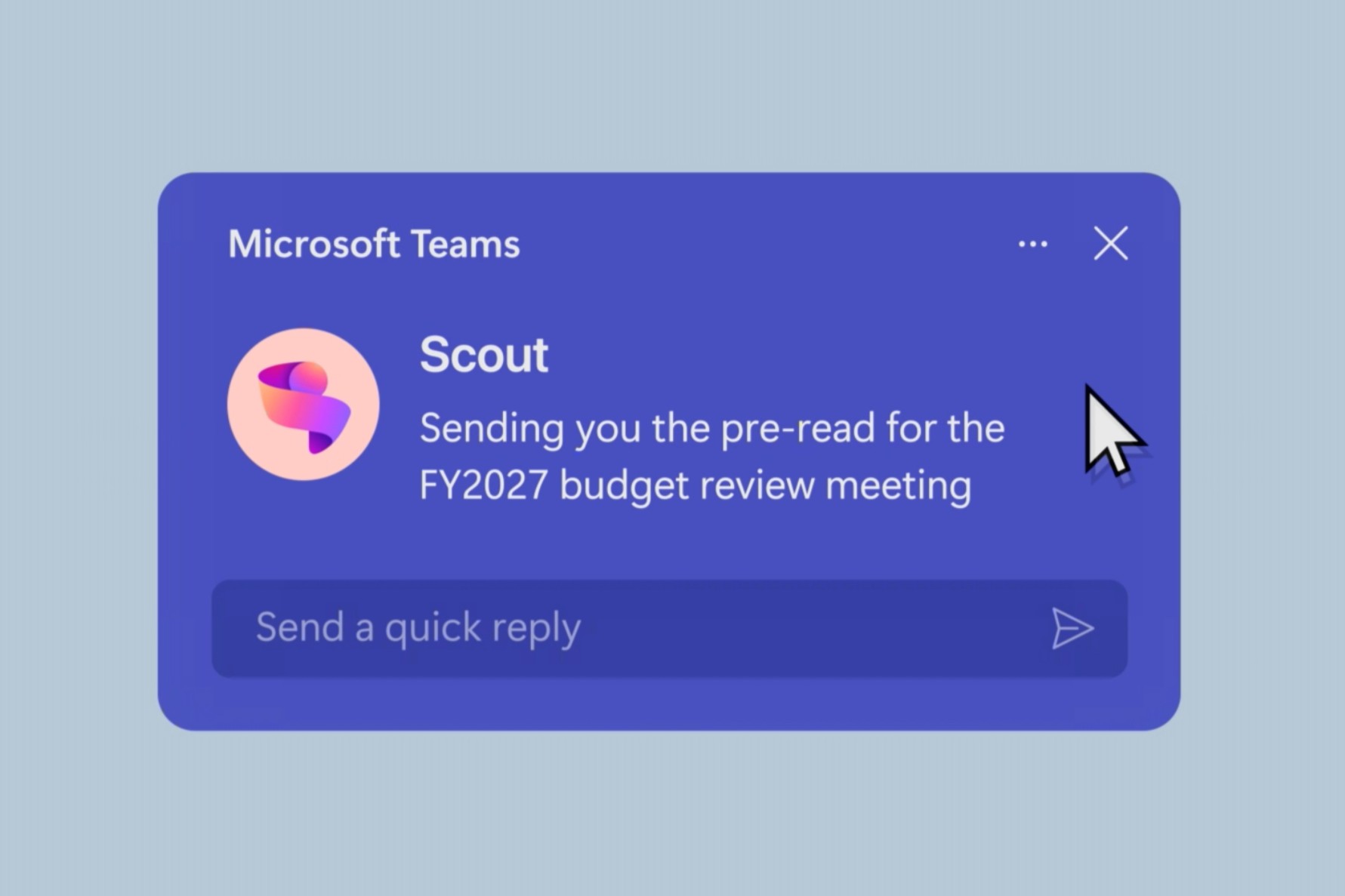
Why This Matters for Businesses
The real innovation lies in Scout’s approach to integration. Rather than being a standalone application, it is built to embed itself within existing workflows, acting as an invisible layer that enhances productivity without disrupting established processes. For businesses, this translates to fewer manual interventions, reduced errors in repetitive tasks, and the ability to scale operations without proportional increases in labor costs.
Looking Ahead
While Scout is still in its early stages of deployment, Microsoft has hinted at a roadmap that includes deeper customization options, expanded industry-specific applications, and tighter integration with third-party business tools. The challenge will be proving its value in environments where legacy systems and human expertise still dominate. If successful, Scout could redefine the role of AI in the workplace—not as a tool for occasional use, but as a foundational element of daily operations.