The Nothing Phone (4a) series is poised to deliver a notable upgrade in storage performance compared to its predecessor, with some models expected to feature UFS 3.1 instead of the previous generation's UFS 2.2. This shift suggests a re-evaluation of cost strategies within the mid-range smartphone market, where storage upgrades have historically been a balancing act between performance and affordability.
Industry observers note that the transition from UFS 2.2 to UFS 3.1 is not merely about raw speed but also about adapting to the evolving demands of software optimization and battery efficiency. While UFS 3.1 offers theoretical benefits in data transfer rates, its real-world impact often depends on how well manufacturers optimize their software stacks and power management systems.
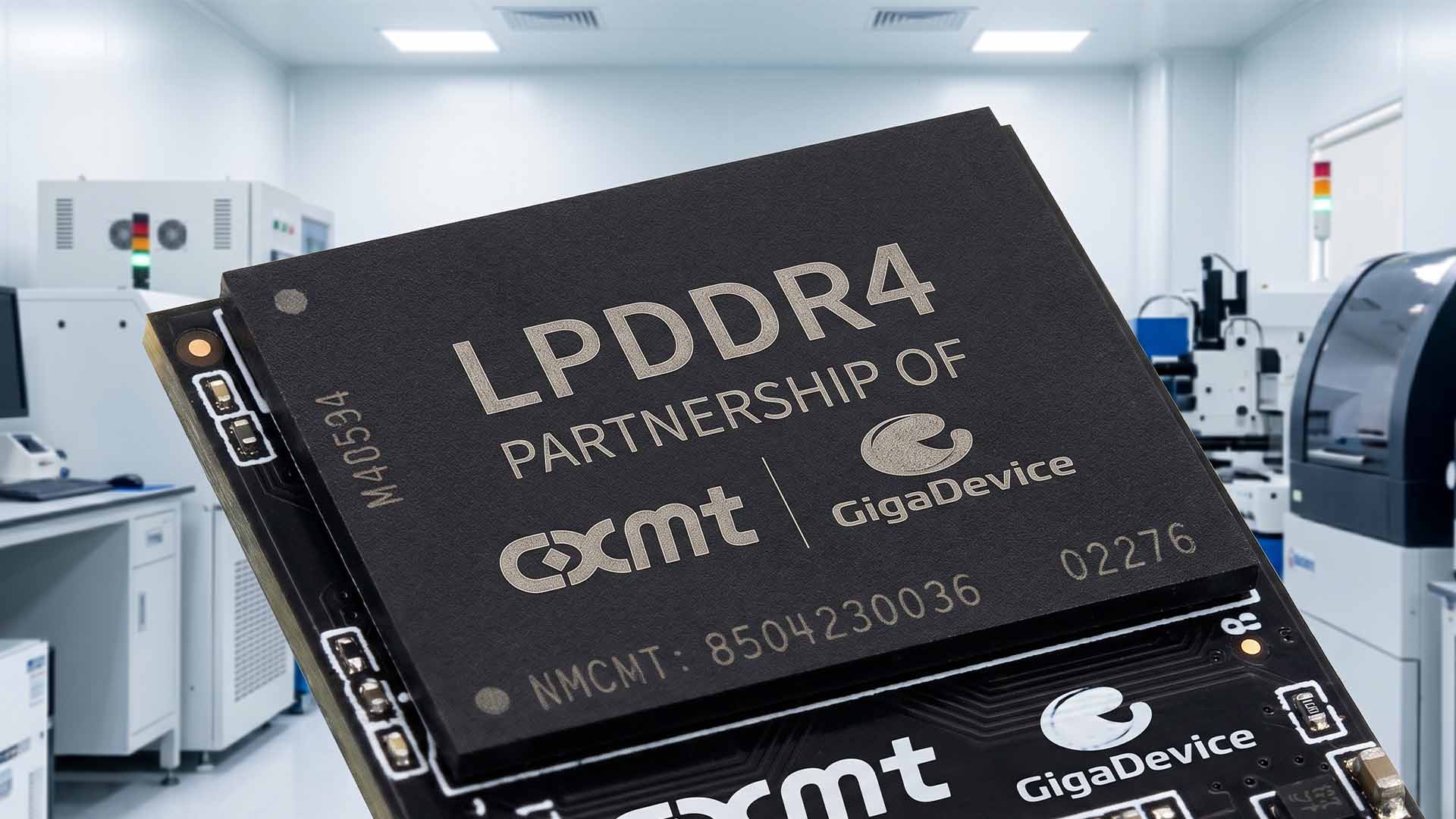
Parallel to this, the smartphone industry faces mounting pressure from soaring RAM prices, driven largely by the surge in AI-related infrastructure investments. Experts suggest that brands now face a stark choice: either absorb these rising costs or pass them onto consumers through higher price points, potentially increasing base models by 30% or more. This economic squeeze has forced companies to rethink their value propositions, moving away from the traditional model of delivering maximum specs at minimal cost.
For Nothing, this shift appears to align with its long-standing philosophy of prioritizing user experience over sheer hardware specifications. The company has consistently emphasized that the way a device looks and feels can be more influential than its raw performance metrics. However, this approach has not been without its challenges, as market data indicates that Nothing's sales have lagged behind competitors who have leaned more aggressively into hardware-driven differentiation.
The Nothing Phone (4a) series is expected to debut before the end of March, with pricing details still under wraps. If past trends hold, the base model could start at $899, though this figure remains unofficial. Consumers should prepare for a potential premium over previous generations, particularly in models equipped with UFS 3.1 storage.

- Display: Likely to feature an advanced AMOLED panel with high brightness and adaptive refresh rates.
- Chipset: Expected to be powered by a Snapdragon 7s Gen 4 or similar mid-range processor, depending on regional availability.
- Memory: Options include 8GB RAM (likely standard) and 12GB RAM (premium variant).
- Storage: Base model to feature UFS 3.1, with higher-capacity variants possibly retaining UFS 2.2 for cost management.
- Power: Likely to include a 45W fast-charging battery, similar to previous generations.
- Cameras: Dual-camera setup with improvements in computational photography, though exact sensor details are unconfirmed.
- Connectivity: 5G support with possible enhancements in mmWave for select markets.
- Ports: USB-C with reversible connector; no headphone jack.
- Pricing: Estimated to start at $899, though official confirmation is pending.
The inclusion of UFS 3.1 in the Nothing Phone (4a) series suggests a focus on long-term software compatibility and future-proofing, particularly for users who rely heavily on storage-intensive applications or frequent OS updates. However, this upgrade may come at the cost of higher prices, which could limit its appeal to budget-conscious consumers. Those seeking a balance between performance and affordability might find the UFS 2.2 variants more attractive, assuming they remain available.
Ultimately, the Nothing Phone (4a) series will serve as a litmus test for whether brands can successfully navigate the current economic climate without alienating their core customer base. The success of this transition will depend not only on hardware improvements but also on how effectively Nothing communicates its value proposition beyond raw specifications.