The lack of a difficulty slider isn’t just a technical omission—it’s a deliberate rejection of modern gaming conventions. While titles like Elden Ring and Hades embrace flexibility to broaden their audiences, Nioh 3 takes the opposite approach. The game’s director has repeatedly stated that the series thrives on the tension between challenge and ingenuity. There are no shortcuts, no toggles to mute the sting of defeat. Instead, players are handed a toolkit of weapons, stances, and gear interactions so intricate that even veteran souls-like fans will need to unlearn old habits.
Take the weapon-swapping mechanic, for example. Unlike Sekiro*, where weapon choice is limited by stamina, *Nioh 3 allows players to switch mid-combo—provided they’ve unlocked the right gear. This isn’t just about raw damage; it’s about adapting. A player overwhelmed by a boss might not need a weaker enemy—they need a different sword, a better stance, or a hidden buff from an earlier area. The game’s open world, sprawling and non-linear, reinforces this philosophy. Upgrades aren’t handed out; they’re earned through exploration, forcing players to prioritize what’s worth their time.
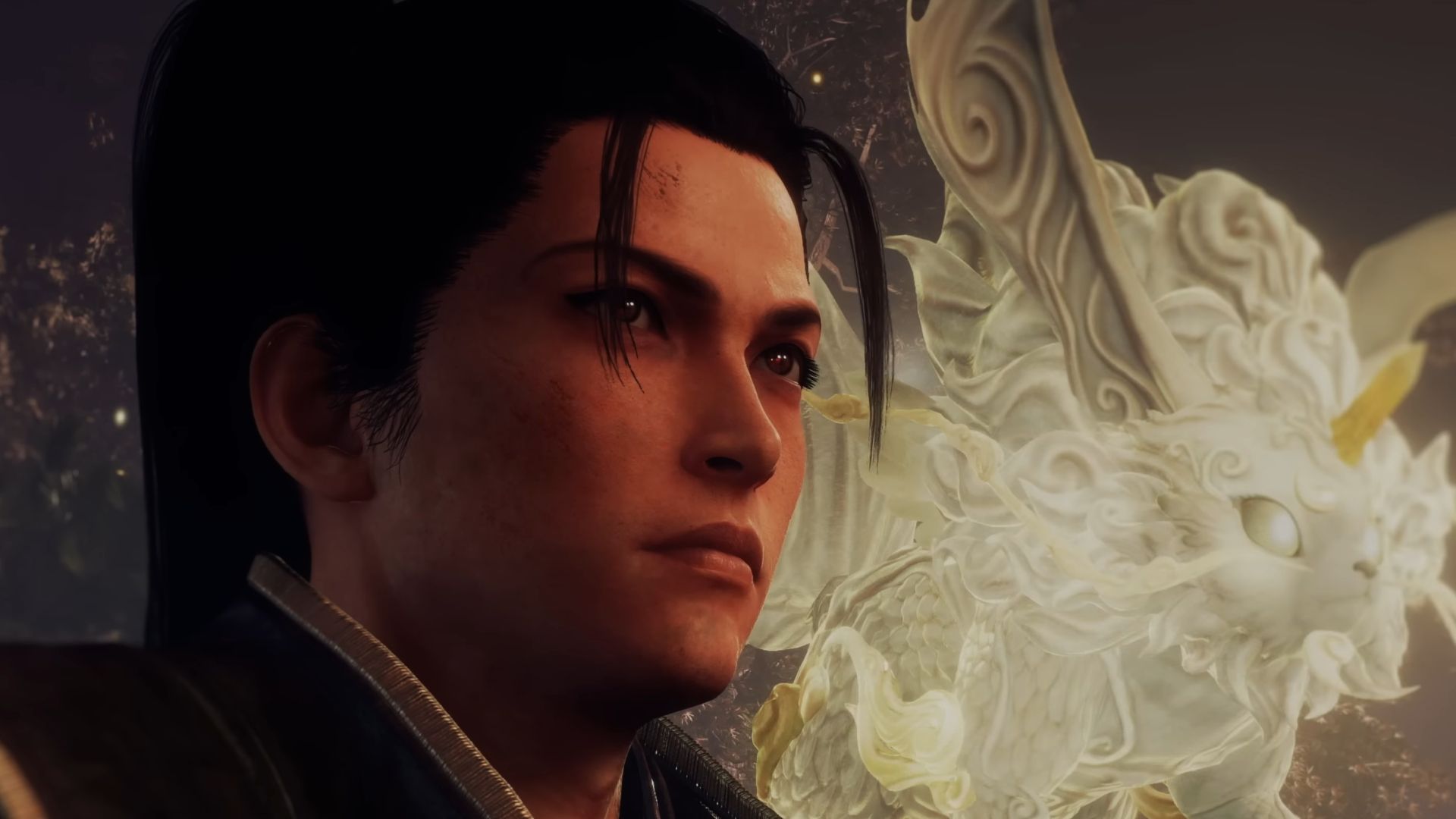
But what about players who simply want to enjoy the story without the grind? The answer lies in Nioh 3*’s design itself. The game’s difficulty isn’t arbitrary—it’s a direct result of its combat system. Enemies don’t just hit harder; they punish predictable play. A boss that seems unbeatable at first might be vulnerable to a specific stance or a delayed weapon swap. The learning curve isn’t steep because the game is cruel—it’s steep because the team expects players to engage with the mechanics, not just the story.
This approach has consequences. While *Elden Ring*’s accessibility helped it reach a wider audience, *Nioh 3 risks alienating casual players with its uncompromising design. Yet, the series has always catered to a niche audience—one that values depth over hand-holding. The question now is whether that niche is growing or shrinking in an industry that increasingly prioritizes inclusivity.
For now, Nioh 3 stands as a testament to what happens when a game refuses to bend. It’s not for everyone, and that’s the point. In a genre where difficulty sliders have become the norm, Nioh 3*’s stance is a provocative reminder that challenge and reward are two sides of the same coin. The game doesn’t just want players to finish its levels—it wants them to *understand them.
And that, more than any setting, is the ultimate test of mastery.