Nioh 3’s combat system is a masterclass in depth, but its gestures—a feature often overlooked—hold a surprising strategic edge. While the game’s tutorial briefly mentions emotes, few players realize they can resolve entire encounters without ever raising a blade. Two yokai types, the Nurikabe and Mujina, can be neutralized through the right gesture, turning what might otherwise be a drawn-out battle into a swift, nonviolent solution.
The catch? These interactions hinge on color-coded gestures and precise timing. A misstep could turn a peaceful resolution into an unwanted fight. Here’s how to leverage emotes for efficiency in Nioh 3.
How to Access Emotes in Nioh 3
To trigger an emote, press the right bumper and Start on controller or G on keyboard. This opens a menu of gestures, organized into multiple pages. Each emote is color-coded—red, yellow, or blue—and selecting one will have your character perform the gesture in-game. While the visuals are undeniably stylish, their functional role becomes critical when encountering Nurikabe and Mujina.
Nurikabe: The Illusion of a Wall
Nurikabe are yokai disguised as wooden barriers, often blocking access to treasure chests or hot springs. Upon approaching, their eyes will flicker open, revealing their true nature. The instinct might be to strike, but a more strategic approach exists: use the correct color-coded emote to dissolve them instantly.
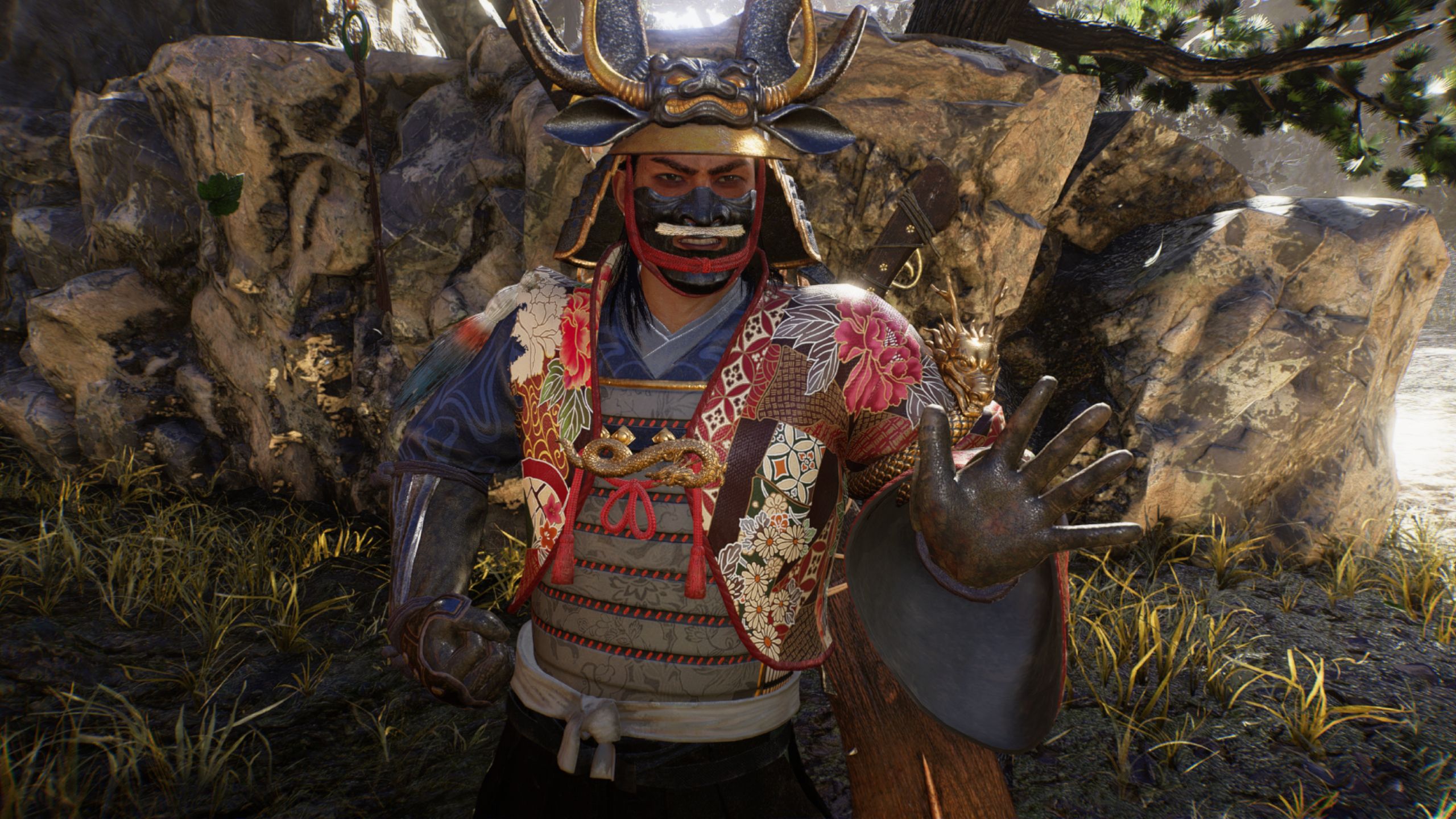
- Red emotes will dispel Nurikabe if they’re colored red.
- Yellow emotes work on yellow Nurikabe.
- Blue emotes are required for blue Nurikabe.
There’s a risk, however. If you select the wrong color, the Nurikabe will turn hostile, forcing a fight. With only two guesses before provocation, memorizing the color scheme—or testing cautiously—is essential.
Mujina: The Deceptive Chest
Mujina take the form of chests, luring players with the promise of loot. Opening one releases the yokai, which mimics your appearance and performs an emote. To avoid combat, you must replicate the gesture it displays. Success rewards you with the chest’s contents without a single strike exchanged.
This mechanic adds a layer of psychological tension: the game forces you to observe the yokai’s behavior closely. A single misstep turns a nonviolent resolution into a full-blown battle, making pattern recognition a key skill.
Why It Matters
These interactions reflect Nioh 3’s design philosophy—combining spectacle with strategy. Emotes aren’t just for show; they’re tools for efficiency, especially in areas where combat might be impractical or costly. Mastering them transforms encounters from potential headaches into seamless progress, rewarding observation and quick thinking over brute force.
For players accustomed to the game’s relentless combat, this system offers a refreshing alternative: a way to navigate the world with subtlety and precision.