Nintendo’s latest console, the Switch 2, is outselling expectations in Japan—but that success is dragging down profitability. The reason? A perfect storm of currency fluctuations and global supply dynamics.
The company’s third-quarter financial report reveals that stronger-than-anticipated hardware sales in its home market are hitting gross and operating margins. The culprit isn’t demand itself, but the way Nintendo procures components: nearly all manufacturing costs are tied to U.S. dollars. With the yen weakening, every yen spent by Japanese consumers translates to a loss when converted back to dollars.
This isn’t just an abstract concern. Nintendo’s president, Shuntaro Furukawa, directly tied the surge to two high-profile launches: Pokémon Legends Z-A – Nintendo Switch 2 Edition* and Kirby Air Riders*. Both titles, released during the holiday season, appear to have accelerated upgrades from older Switch models among Japanese players—far more so than in other regions.
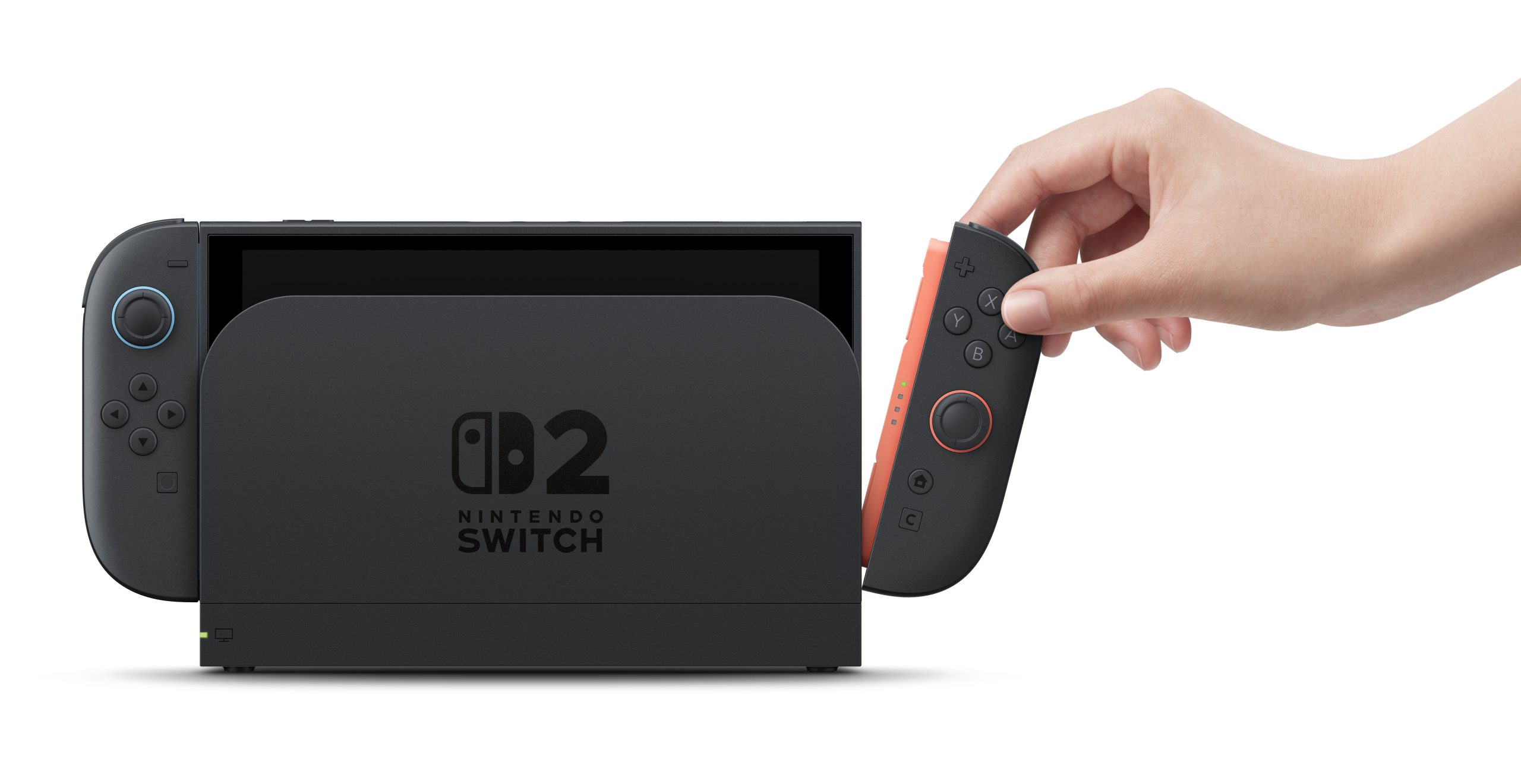
The timing couldn’t be worse. Investors are already fixated on the global memory chip shortage, which has sent Nintendo’s stock value plunging by $14 billion over the past year. While Furukawa insists the company won’t rush to raise prices based on short-term trends, suppliers are reportedly adopting a zero-tolerance approach to shortages. That could force Nintendo’s hand if costs continue climbing.
Outside Japan, the Switch 2 remains a global powerhouse, moving 17.37 million units in 2025 alone. But the Japan paradox—where higher sales mean lower profits—highlights a rare challenge for Nintendo: how to sustain growth without sacrificing financial health in a currency-sensitive market.