A gamer stands in a retail store, holding the box for Nintendo’s upcoming Switch 2 bundle, its design familiar yet subtly updated—a quiet hint at what’s to come. The console inside is nearly identical in hardware to its predecessor, but the games bundled with it tell a different story: one of balance between past and future.
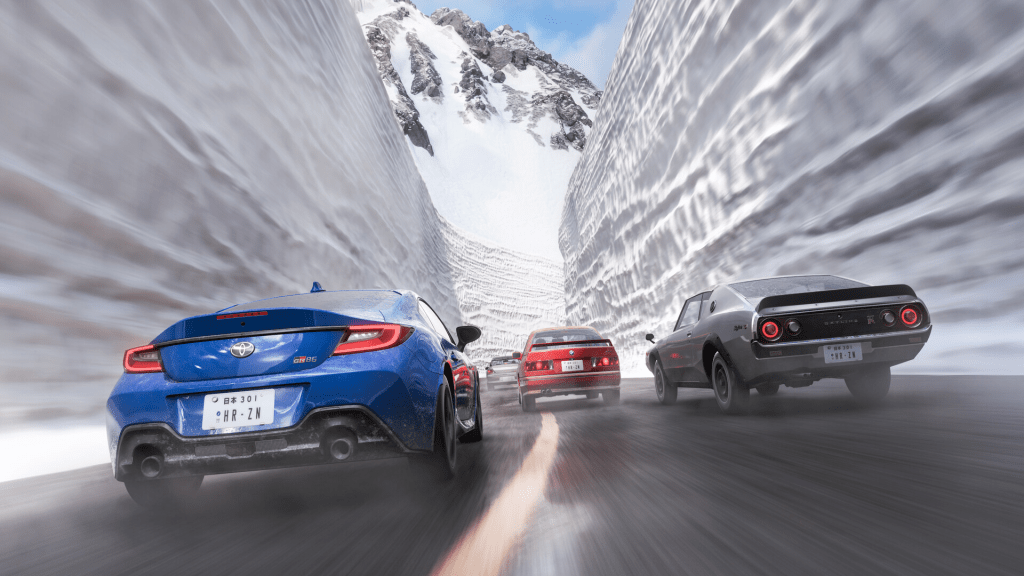
Starting this September, the standard Switch 2 model will rise in price by $50, marking Nintendo’s first adjustment since its original launch. To mitigate the sticker shock, the company is rolling out a limited-edition bundle priced at $499—just under the new base cost. This package includes the console, a Pro Controller, and three standout titles: Super Mario Kart, Pokémon Scarlet/Violet, and the remastered Donkey Kong Country: Tropical Freeze. The selection isn’t random; it’s a deliberate curation of Nintendo’s legacy, designed to appeal to both longtime fans and newcomers.
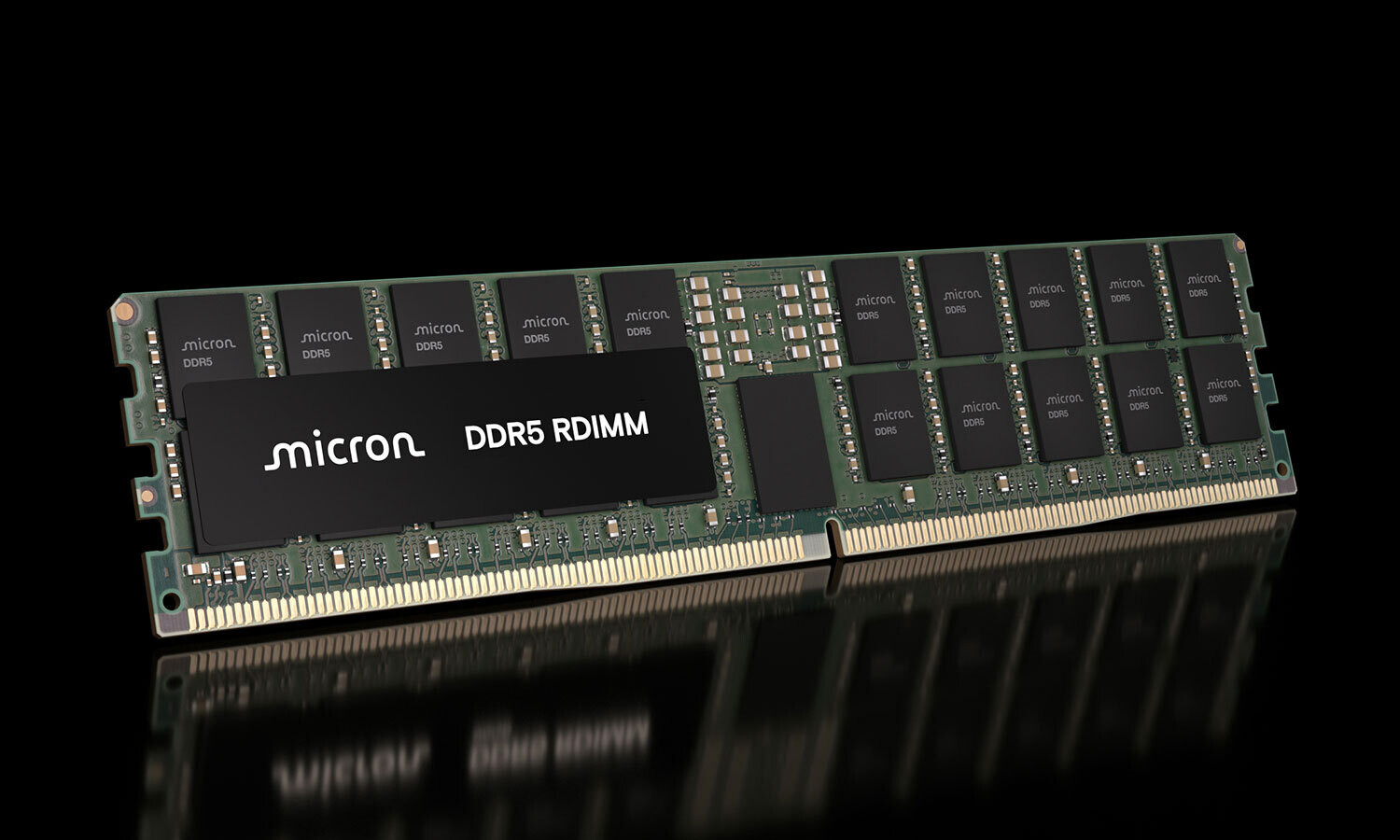
- 4 GB LPDDR4X RAM (shared between CPU/GPU)
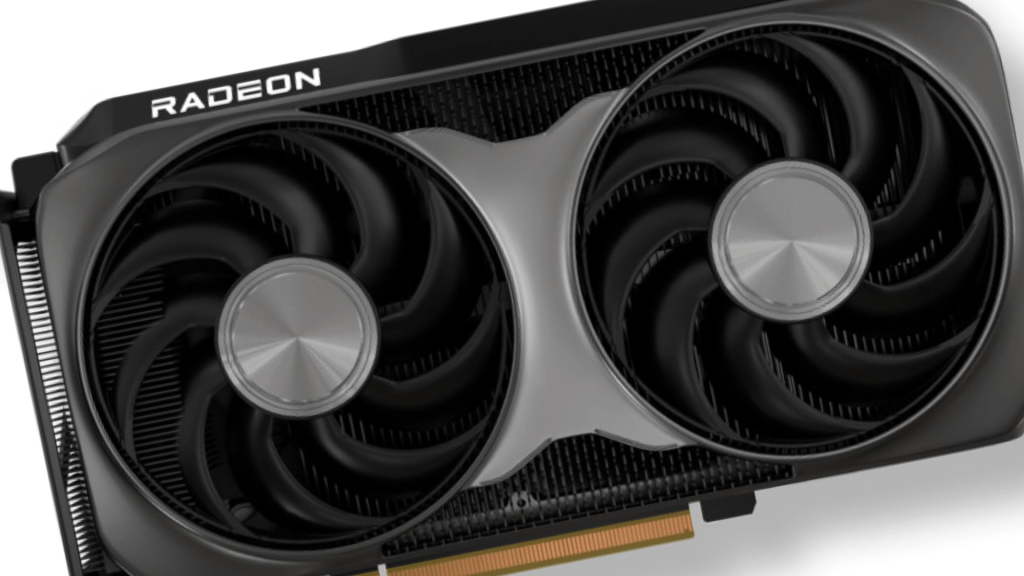
- GPU capable of 1080p rendering
- Internal storage: 64 GB or 1 TB options
- Optimized for AI-driven workloads, such as procedural generation in Pokémon Scarlet/Violet
The technical specifications remain unchanged from earlier leaks, reinforcing Nintendo’s methodical approach to hardware evolution. The console’s performance is built around efficiency rather than raw power—a shift that aligns with industry trends favoring smarter processing over sheer speed. This focus becomes particularly evident in games like Pokémon Scarlet/Violet, where AI-assisted procedural generation showcases the Switch 2’s ability to handle complex tasks without demanding cutting-edge specs.
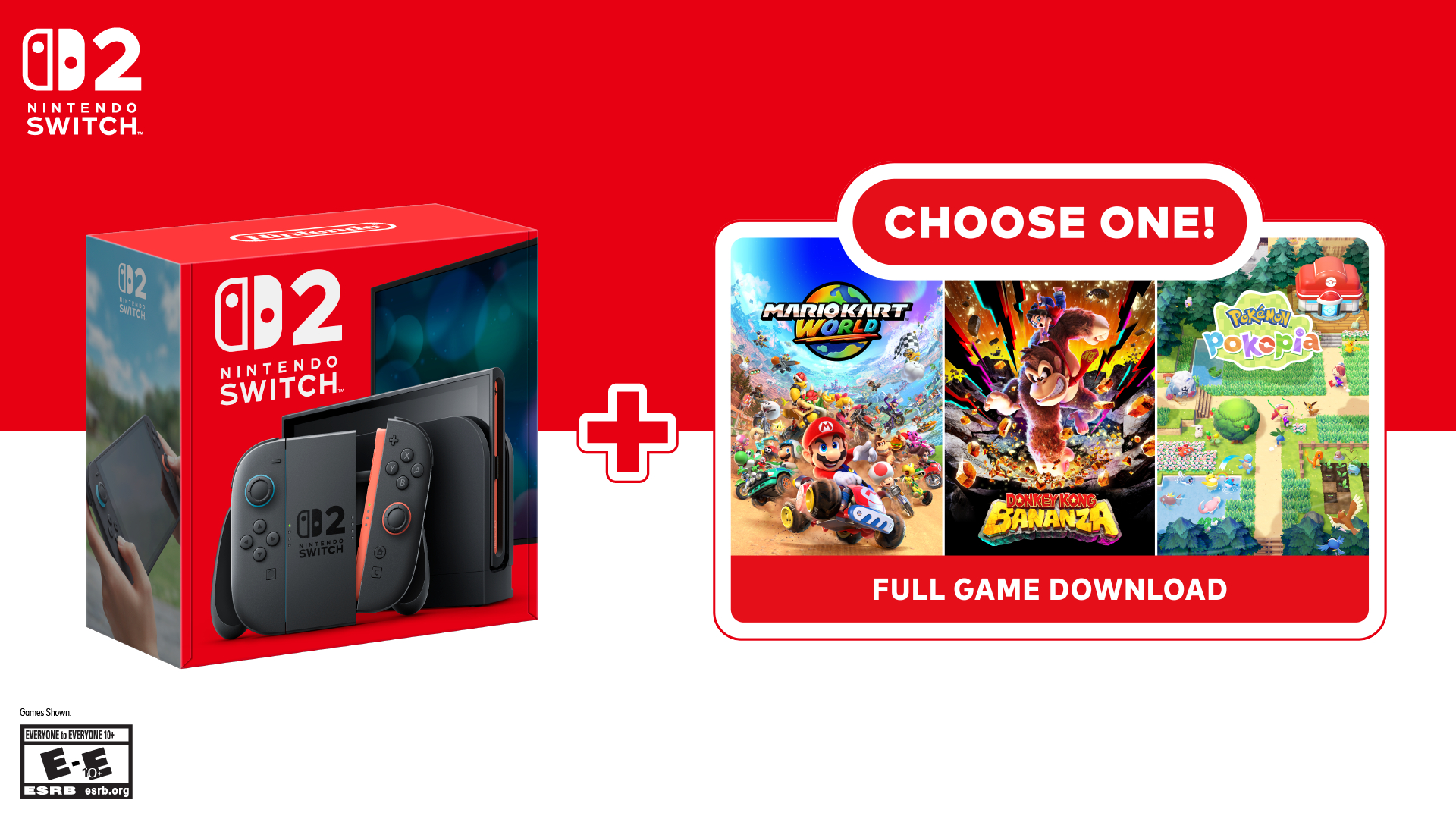
The bundle’s value extends beyond its price point. Super Mario Kart, a multiplayer staple since the NES era, and Donkey Kong Country: Tropical Freeze, a remaster of the 1995 classic, are both optimized to highlight the Switch 2’s capabilities without requiring the latest hardware. This strategy ensures that even those hesitant about the price increase have compelling reasons to upgrade now rather than later.
Beneath the surface, this move reflects a broader shift in Nintendo’s console strategy. Historically cautious about rapid hardware advancements, the company is now prioritizing software optimization and platform stability over incremental leaps. The bundled games serve as a preview of how the Switch 2 will handle future workloads—ones that may rely more on intelligent processing than brute-force performance.
Whether this bundle will meet Nintendo’s sales expectations remains an open question, but its timing suggests a calculated effort to smooth the transition ahead of the price hike. For gamers, it offers a tangible opportunity to experience the Switch 2 at a discounted rate while diving into titles that bridge generations—proof that innovation doesn’t always require reinvention, sometimes just a fresh perspective on what already exists.