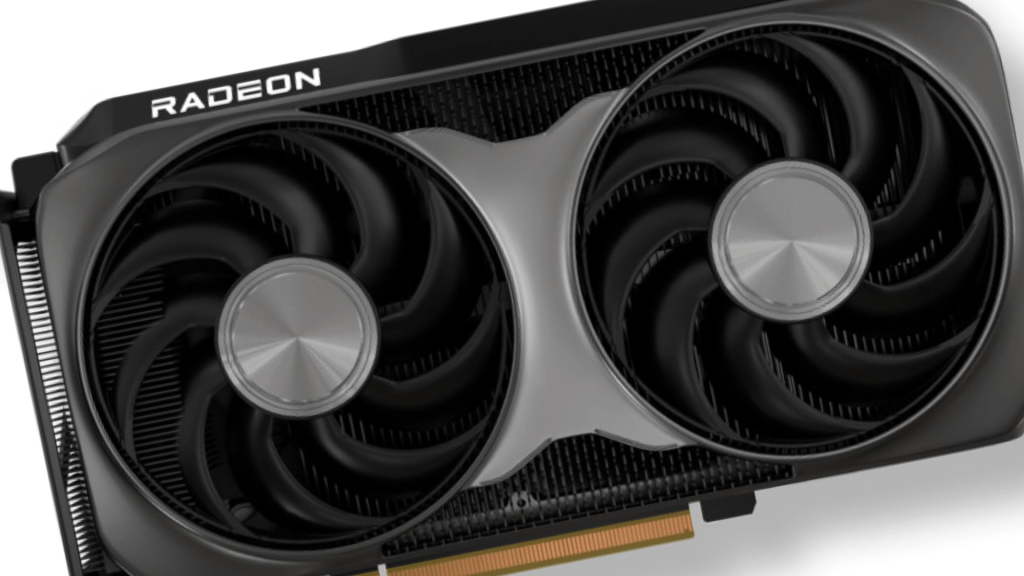
Developers working with Windows 11 now face a critical choice: proceed with the latest update knowing potential stability risks or delay adoption while Microsoft addresses widespread issues. The April update, designed to enhance system performance, has instead introduced crashes and visual glitches that disrupt workflows—particularly for those relying on GPU acceleration.
At the core of the problem is a change in how Windows 11 handles DirectX 12 Ultimate features. While intended to improve rendering efficiency, the update forces applications to use these advanced graphics capabilities even when not explicitly required. This shift has exposed vulnerabilities in older or less-optimized software, leading to unexpected crashes during development sessions.
The impact extends beyond visual glitches. Reports indicate that some applications fail to launch entirely after the update, while others experience intermittent freezes. For developers testing GPU-driven workflows, this translates to lost productivity and delayed project timelines. The issue is not limited to a specific hardware configuration; it affects systems ranging from high-end workstations to mid-range development machines with integrated graphics.
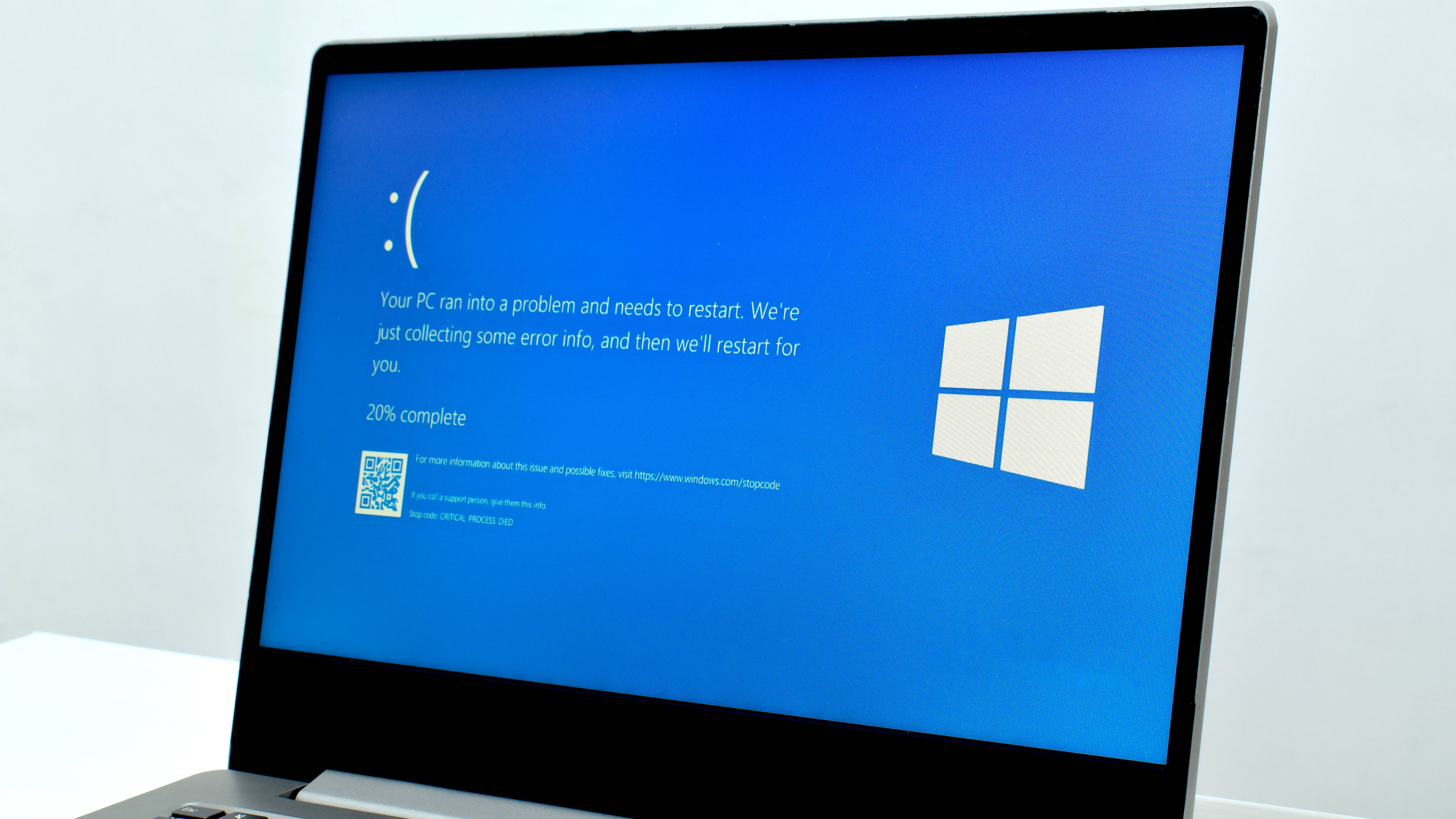
Microsoft has yet to provide a clear timeline for fixes, leaving the decision of whether to upgrade in limbo. For those already on Windows 10, the path forward is less uncertain—though not without trade-offs. Windows 10 remains stable but lacks access to newer security updates and features that could streamline development environments. The dilemma for developers now is weighing immediate stability against long-term compatibility.
One potential workaround involves disabling DirectX 12 Ultimate features through group policy edits, though this is not a permanent solution and may introduce its own set of limitations. For now, the update serves as a reminder that platform lock-in can come with unintended consequences, forcing developers to recalibrate their strategies around system updates.