A new GPU architecture is challenging the boundaries of computational efficiency, particularly in AI and data processing. Its arrival signals a shift that could redefine how businesses approach large-scale workloads.
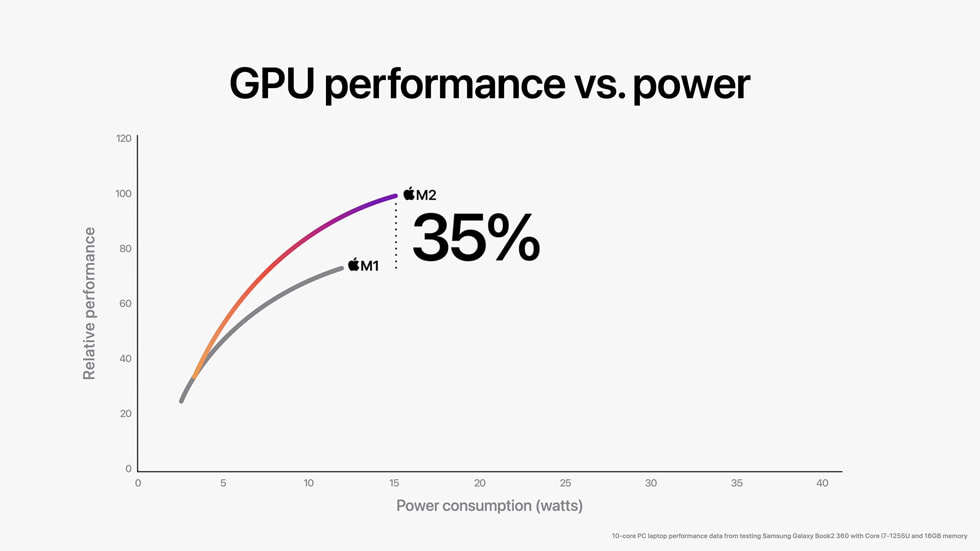
At the heart of this development is a focus on performance per watt—critical for data centers where heat and power consumption are constant concerns. The new architecture delivers up to 2.5x the performance of its predecessor while maintaining lower thermal output, a tradeoff that could sway market adoption toward more sustainable solutions.
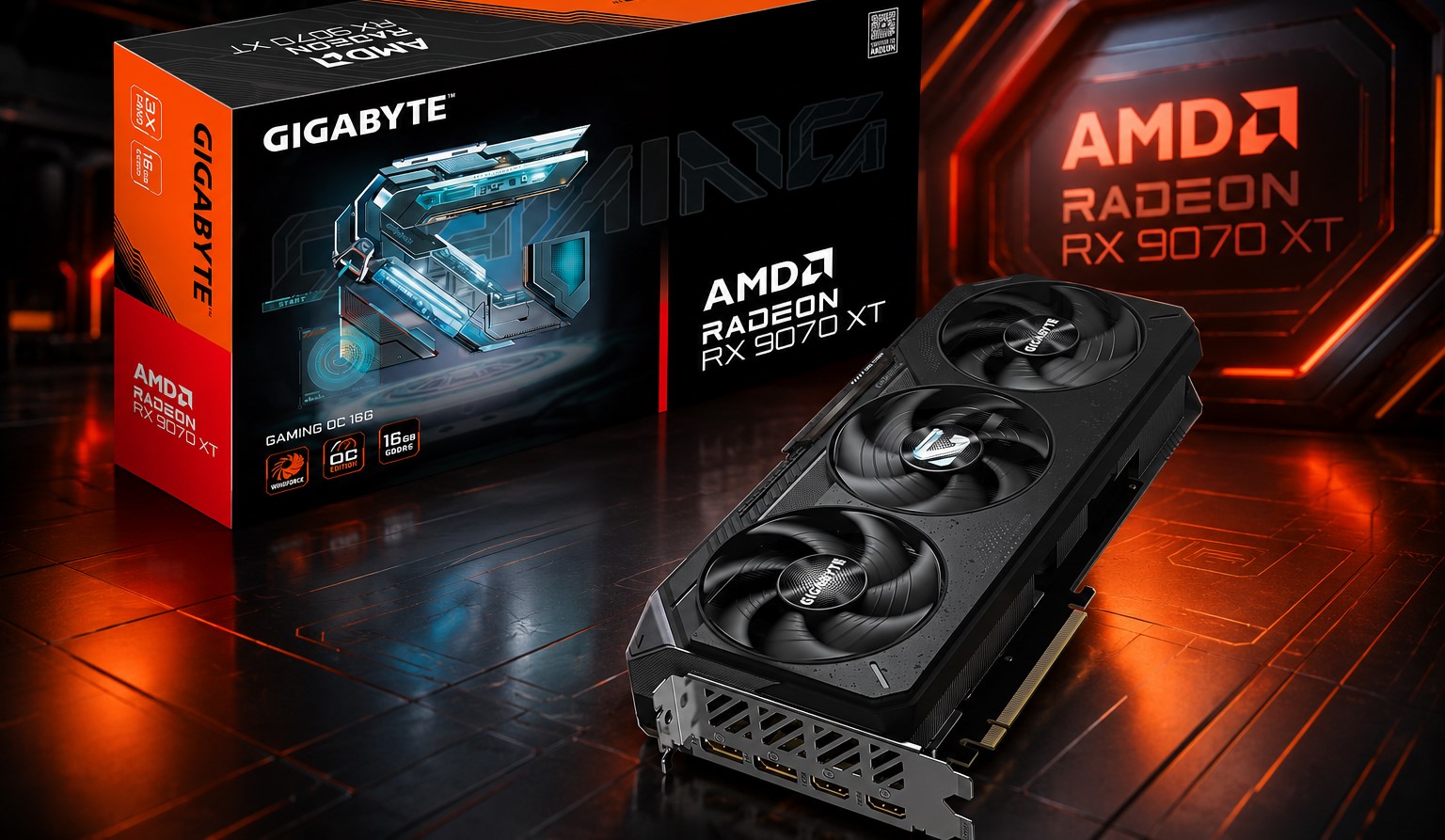
The GPU in question features 16GB of GDDR6 memory, a standard capacity for modern workloads but one that hints at future-proofing. Its clock speeds reach 2.3 GHz, a modest increase from previous generations yet sufficient to push performance benchmarks significantly higher. For users running complex AI models or large-scale data analysis, this translates into faster training cycles and more efficient resource utilization.

However, the architecture’s design also introduces constraints. While it excels in single-threaded workloads, its multi-threaded performance is less impressive, a detail that could limit its appeal for certain high-end applications. This duality—high efficiency in some areas but not others—will likely shape how developers and businesses integrate it into their workflows.
For everyday users, the impact may not be immediately noticeable, but the ripple effects are already being felt. Data centers and cloud providers will benefit from reduced operational costs, while AI researchers gain access to more efficient hardware without sacrificing performance. The question remains: can this architecture sustain its momentum in a market that demands both speed and scalability?
The broader trend suggests a move toward architectures that balance power efficiency with raw performance—a shift long overdue. Whether this GPU leads the charge or follows in the footsteps of others will depend on how well it adapts to the evolving needs of AI workloads.