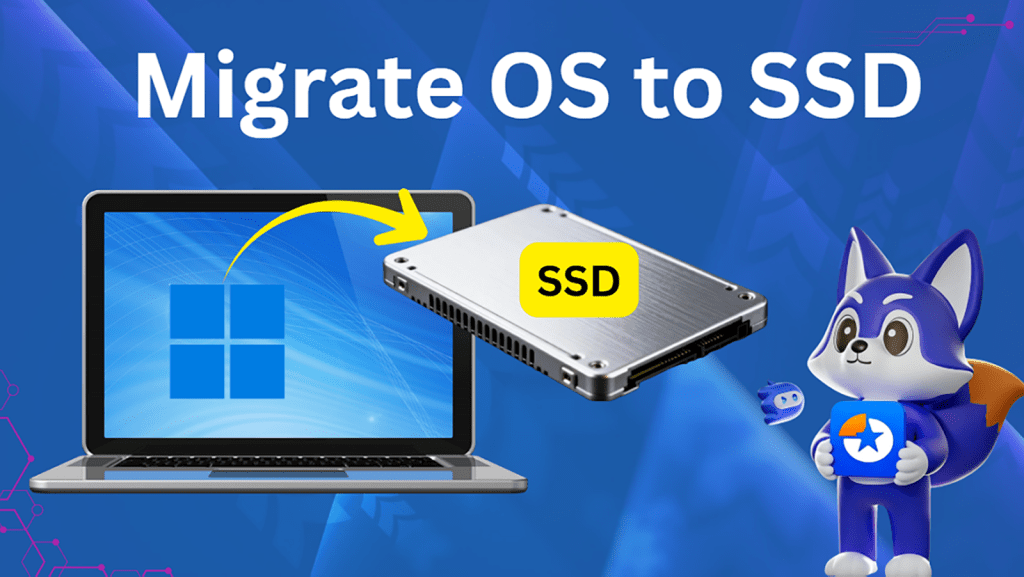
A fresh approach to moving Windows from a traditional hard disk to an SSD has emerged, promising to slash the time it takes to complete such transfers by nearly 50 percent while keeping data safe. This isn’t just about speed—it’s about making a routine but often cumbersome process more efficient and less prone to errors.
At its core, this method uses background compression alongside multi-threaded processing to move files in parallel rather than sequentially. That shift alone can reduce migration times from hours to minutes, depending on the size of the system drive. For developers or power users who frequently rebuild or refresh their setups, such gains could be transformative.
But speed isn’t the only benefit. The technique also incorporates checksum validation for each file block during transfer, ensuring that even if an interruption occurs—whether due to a power dip or user intervention—the process can resume without data loss. That’s a notable improvement over older methods, which often required full retries after partial failures.
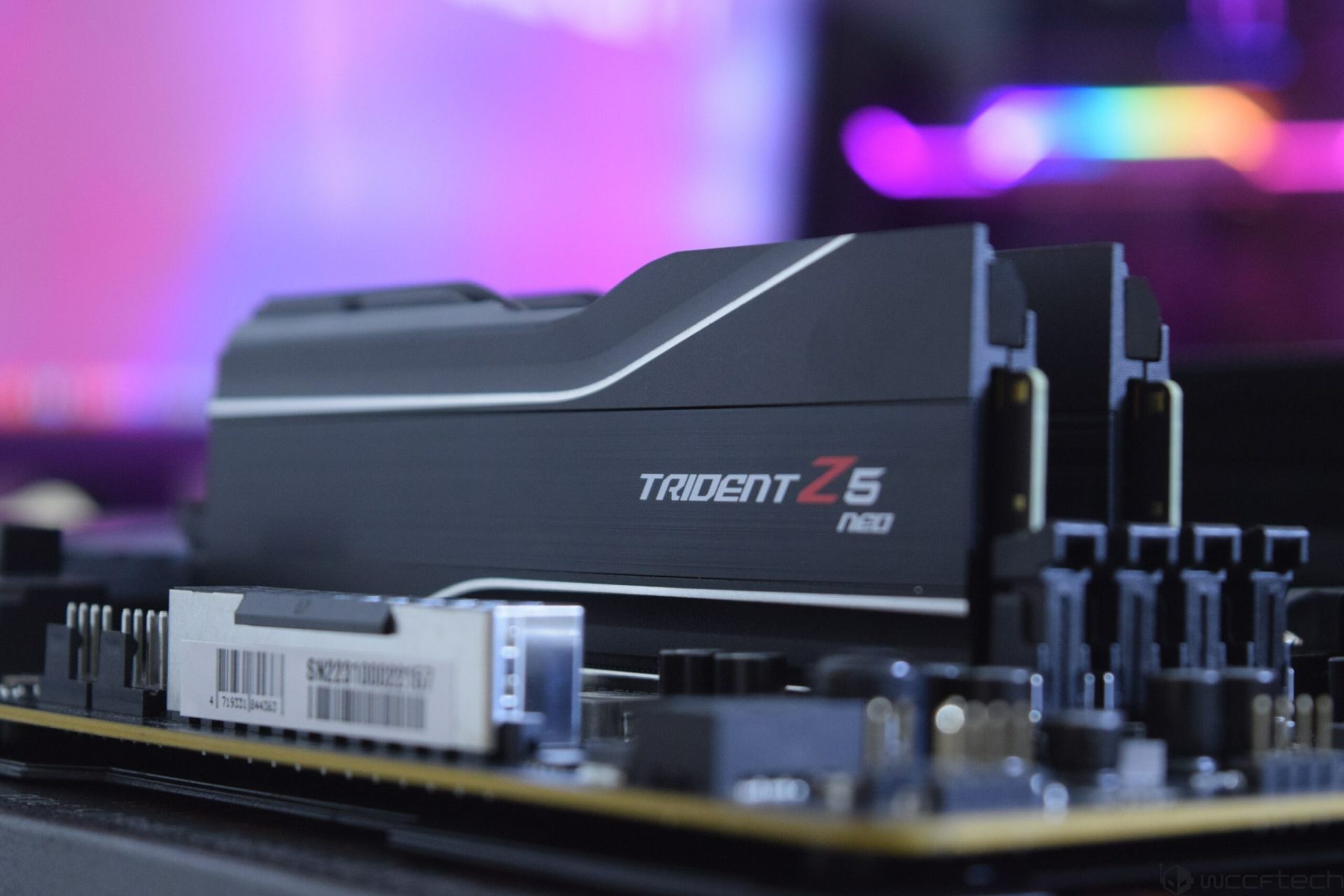
Community reaction has been largely positive, with early adopters noting smoother transitions and fewer instances of file corruption during migration. There are still some tradeoffs: the method requires at least 16 GB of free RAM to run at peak efficiency, which may limit its immediate appeal for users with older hardware. Additionally, while background compression helps, it does consume a small amount of CPU overhead during transfer.
For those looking to future-proof their workflows, this approach offers a compelling balance between performance and reliability. Developers, in particular, stand to gain the most, as faster OS migrations mean less downtime and more time spent on actual development rather than system maintenance.