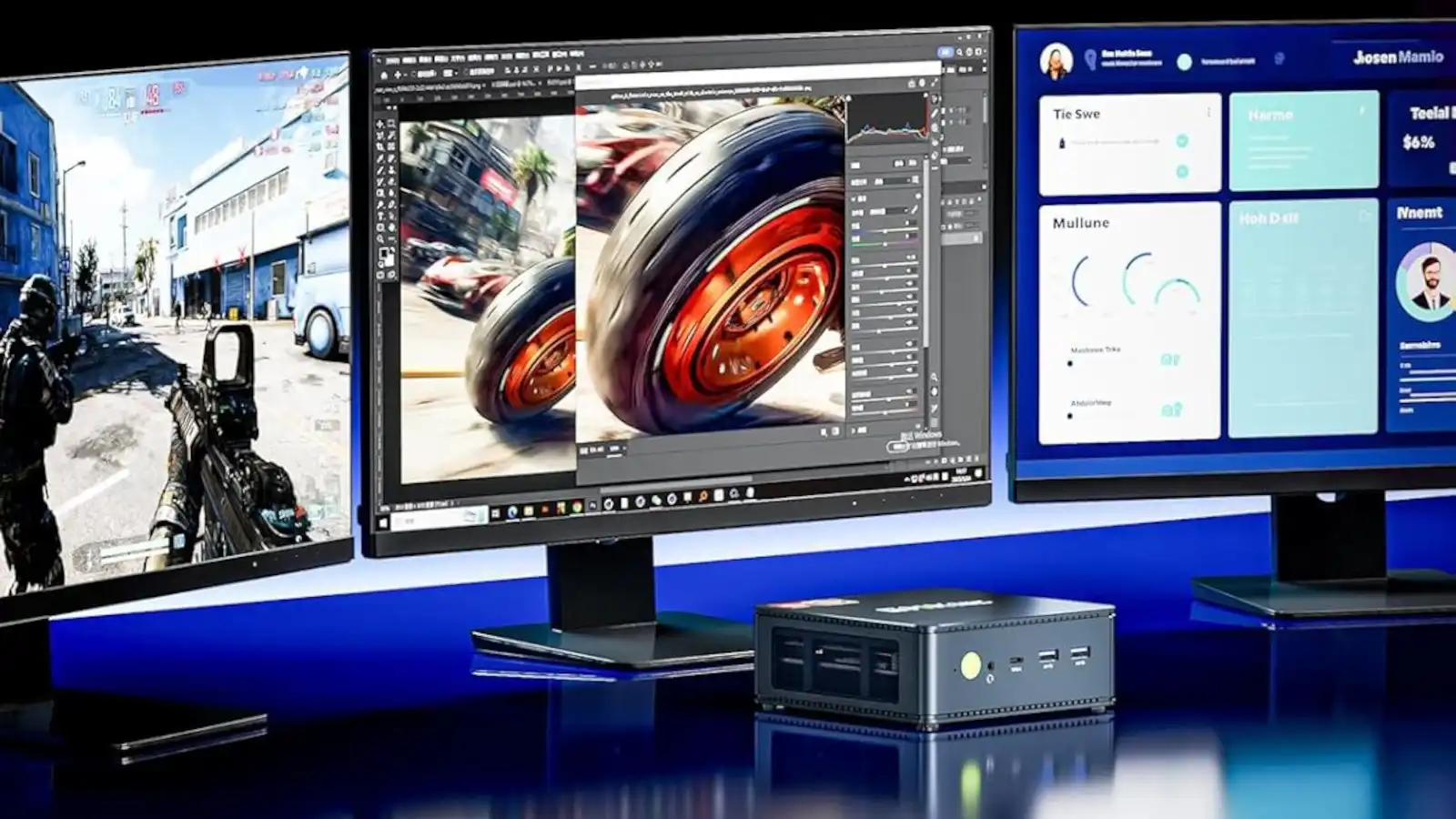
The PRAGMATA platform’s modular design allows for incremental upgrades, but the sequence matters. Power users should prioritize components that offer the most immediate return on investment—such as CPU or GPU—while keeping an eye on availability. Storage and RAM expansions can follow once core bottlenecks are resolved.
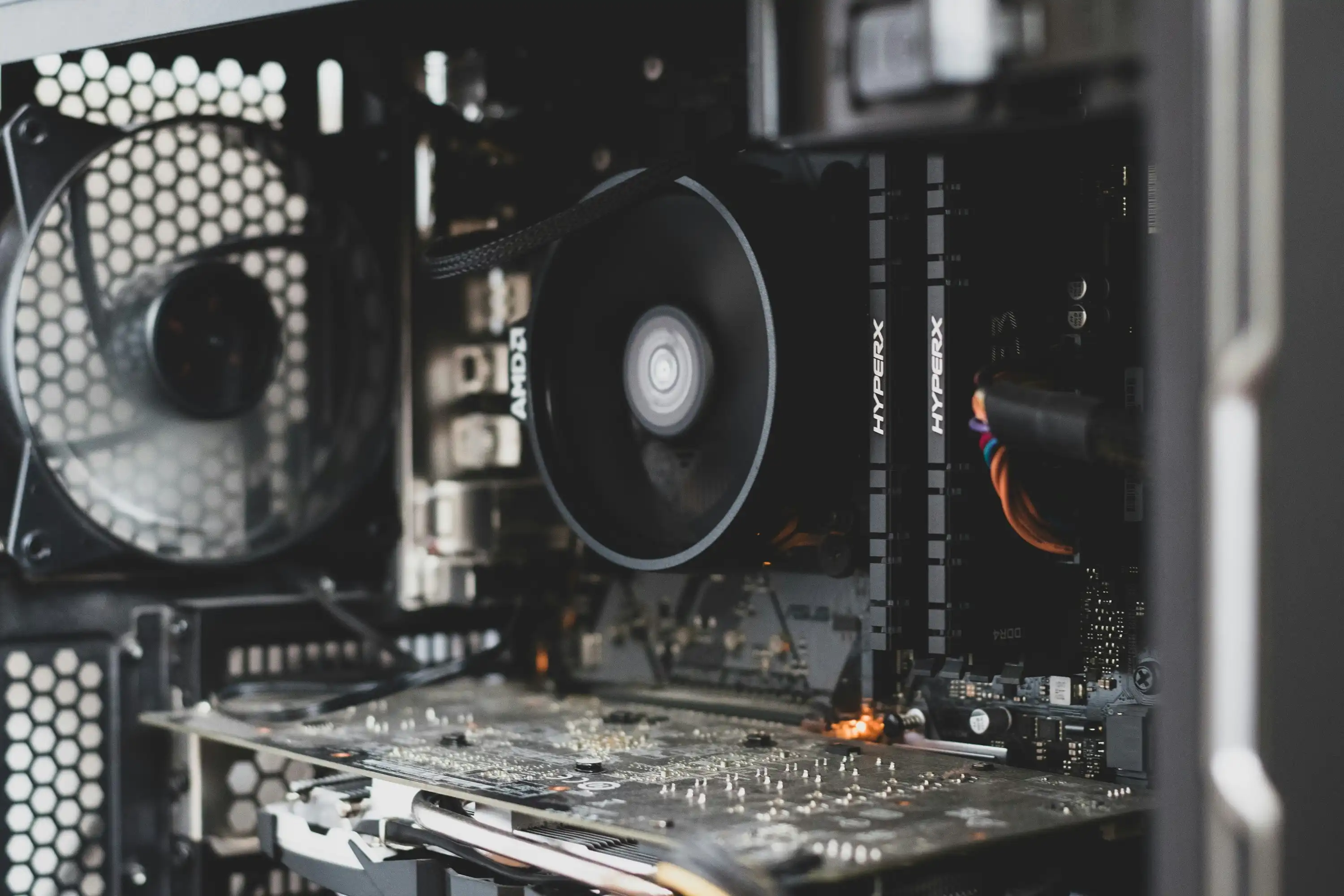
PRAGMATA’s architecture is built around scalability, but not all upgrades deliver equal benefits. For workloads heavy on parallel processing, a GPU upgrade yields significant gains in rendering or AI tasks. Conversely, single-threaded applications benefit more from CPU optimizations. Users must weigh their specific needs against the current market for components.

- CPU/GPU: Highest priority if performance is the bottleneck
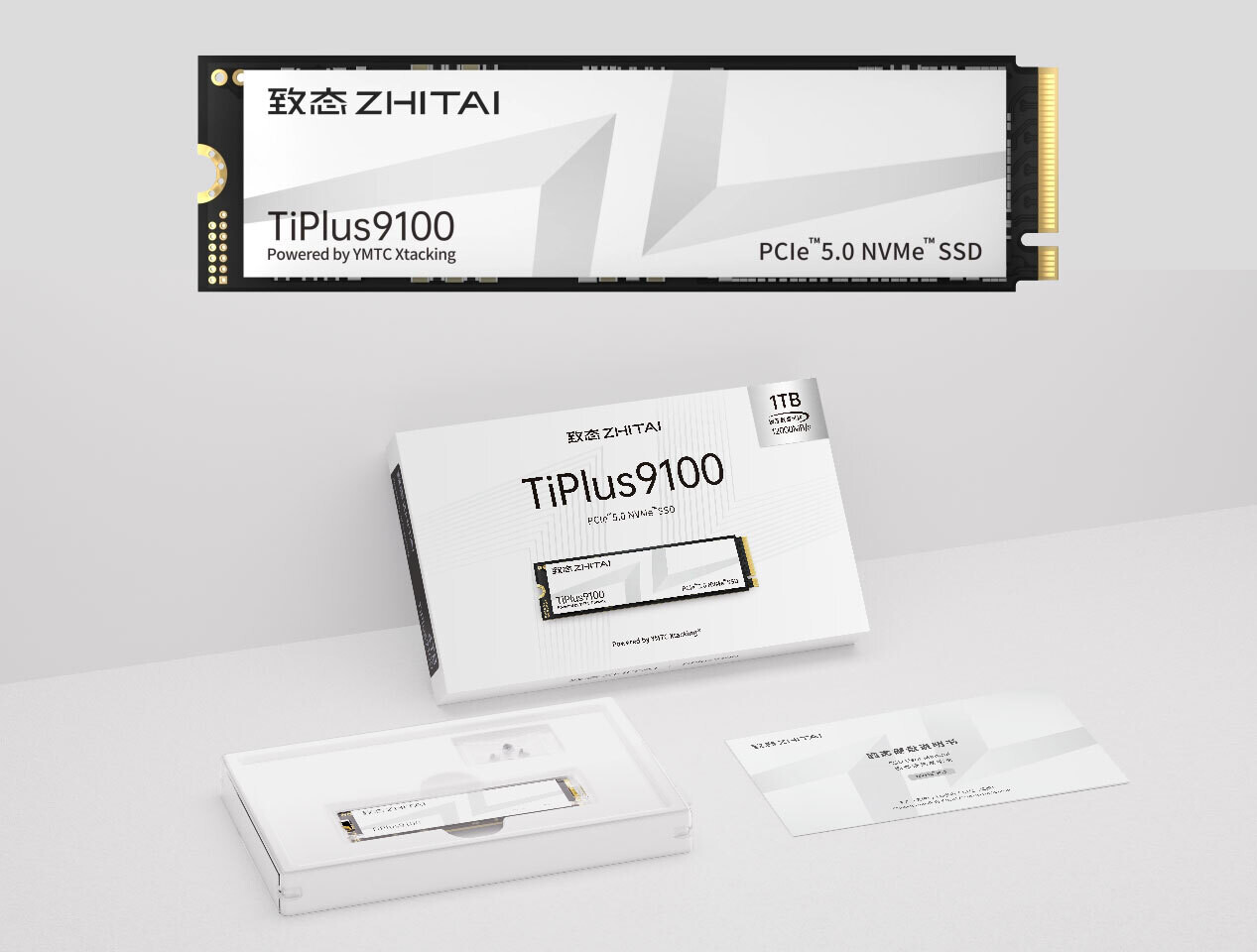
- Storage: Expandable but often secondary to compute power
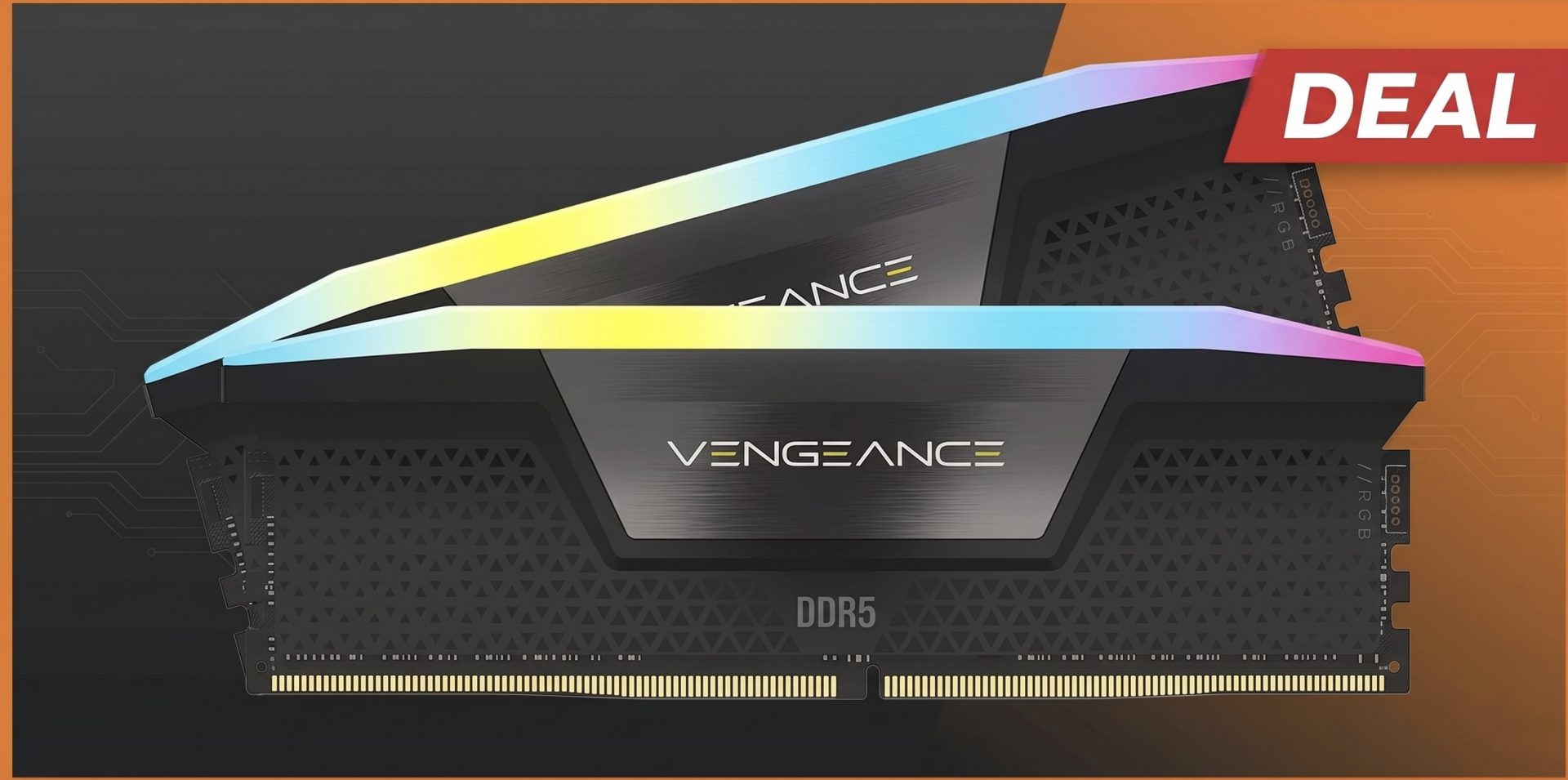
- RAM: Critical for memory-intensive tasks, but upgrades are supply-dependent
The platform’s modular nature means users can mix and match components from different generations, though compatibility varies. Some PRAGMATA models support both DDR4 and DDR5 RAM, while others require specific CPU-GPU pairings. Supply chains remain a wildcard—RAM and high-end GPUs are still in short supply, so planning upgrades around availability is key.
For everyday users, the decision simplifies: if the system feels sluggish, start with storage (SSD upgrades) or RAM. Advanced users will dive deeper into CPU-GPU pairings to match their workload. The goal isn’t just raw power but a balanced setup that aligns with current supply realities.
What’s confirmed is PRAGMATA’s support for incremental upgrades, though exact compatibility depends on the model. What remains uncertain is how long supply constraints will persist—but users can mitigate risks by focusing on storage and RAM first, as these are less volatile than GPUs or CPUs.