Monster Hunter Wilds has earned a reputation for its uneven performance on PC, with frame rate drops and stuttering plaguing many systems. Yet, beneath the surface, there may be an unexpected way to squeeze out slightly better performance—by installing every available DLC.
A recent investigation found that loading all 189 DLC expansions into the game can yield a small but measurable improvement in frame rates, particularly on less powerful hardware. While the effect is negligible on high-end systems, it suggests that the game’s engine may perform additional checks or processes when DLC is present, even if those checks don’t unlock any new content.
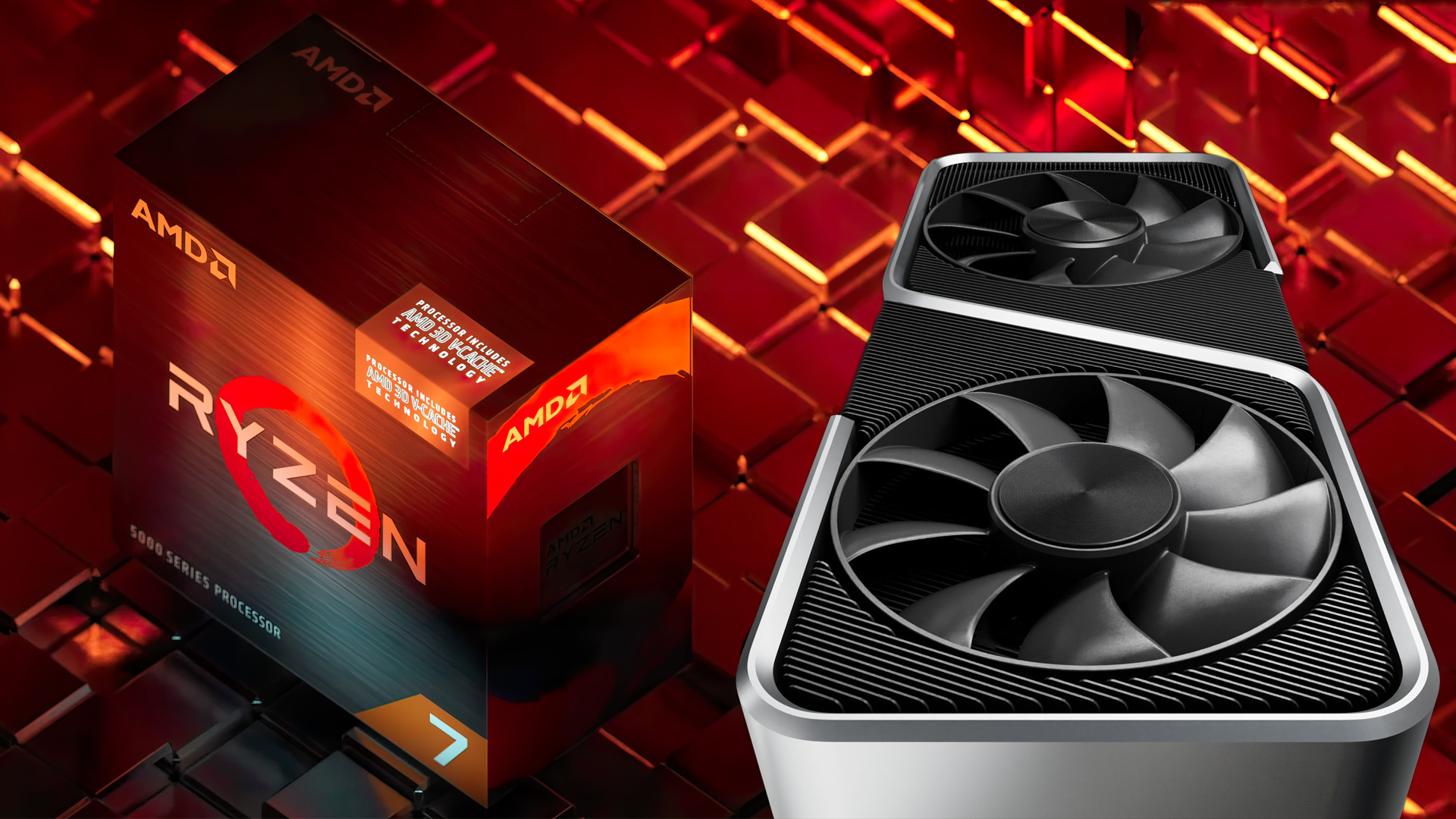
The discovery came after observing differences between accounts with and without DLC installed. On a system equipped with an AMD Ryzen 7 7700X processor and an NVIDIA RTX 5070 Ti, the average frame rate increased from 61 to 67 FPS in hub areas when all DLC was installed, though mission performance remained largely unchanged. The 1% lows stayed nearly identical, indicating that while overall smoothness improved slightly, stuttering was not significantly reduced.
This behavior contrasts sharply with the experience on lower-end hardware, such as a laptop powered by an Intel Core i7-12800HX and an RTX 3070 Ti mobile GPU. On such systems, the performance gap between DLC-loaded and DLC-free accounts could be far more pronounced, potentially reaching 55+ FPS on accounts with full DLC installations.

- Processor: AMD Ryzen 7 7700X (or Intel Core i7-12800HX for mobile testing)
- Graphics: NVIDIA RTX 5070 Ti (or RTX 3070 Ti mobile)
- Resolution: 4K
- Settings: High preset with DLSS Balanced, frame generation off
The implications of this finding suggest that the game’s performance optimization may be tied to DLC-related checks, possibly triggered by interactions with in-game vendors like Conut. While passing near these areas caused minor frame rate dips on higher-end systems, lower-specced machines might experience more noticeable drops during these checks.
For most players, the practical impact of this discovery is minimal, especially on well-equipped desktops. The gains are marginal, and the game remains a demanding title regardless of DLC ownership. However, for users running older or less powerful hardware, the difference could be more pronounced, potentially offering a small but meaningful boost in frame rates.
Developers have not yet addressed this issue officially, leaving players to rely on manual tweaks or potential community-driven solutions. While buying every available DLC is unlikely to become a recommended optimization strategy, it underscores the need for broader performance improvements within the game’s engine.
The most effective way to improve Monster Hunter Wilds’ performance remains through traditional means—adjusting in-game settings and ensuring hardware compatibility. Until official patches or updates resolve deeper issues, players will continue to navigate a balance between visual fidelity and smooth gameplay.