Game development workflows are about to get a critical upgrade with Microsoft's latest preview of the DirectX Crash Dump feature. Designed to capture detailed graphics API-level crash data, this tool promises to accelerate debugging for developers—provided it gains traction among both hardware vendors and studios.
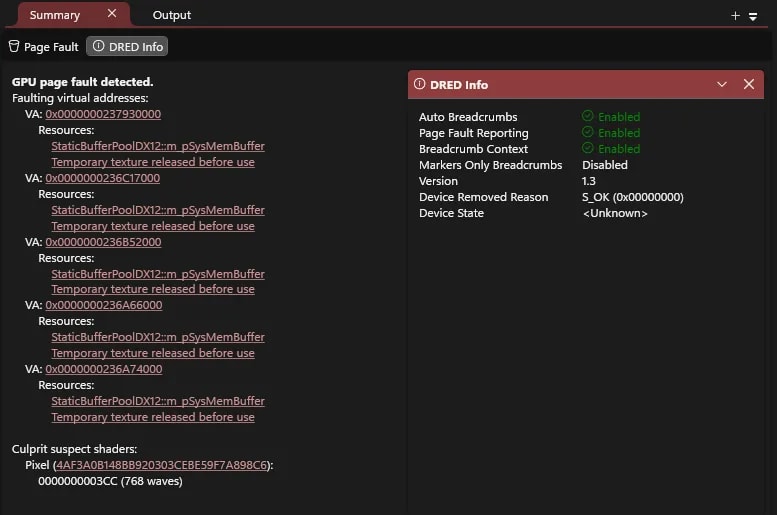
The feature generates a .dxdmp file during runtime crashes, which can then be analyzed using PIX (Performance Investigator for Xbox). While the immediate impact is technical, the long-term implications could reshape how game developers approach crash diagnostics, making the process more efficient and data-driven. However, its success will depend on widespread driver support from GPU manufacturers.
AMD has already taken a step in that direction by releasing a preview driver for Radeon GPUs to enable this functionality. The move signals a growing industry push toward standardized debugging tools, but challenges remain. Developers must integrate the crash handler into their games, and the feature's utility will be limited without broader adoption from other GPU vendors.
- Key Specs:
- DirectX Dump feature generates .dxdmp files for crash analysis
- Requires driver-level support from GPU vendors (AMD Radeon preview driver available)
- Analysis performed via PIX (Performance Investigator for Xbox) tool
- Designed to streamline API-level crash diagnostics for game developers
The introduction of this feature comes at a time when game development is increasingly reliant on high-performance hardware and optimized debugging tools. For creators working with DirectX 12 or later, the potential to reduce debugging time could be substantial. However, the tool's effectiveness will ultimately hinge on how quickly it becomes an industry standard—a process that may take years rather than months.
While Microsoft has not yet announced a formal release window, the preview suggests this is just the beginning of a broader effort to improve developer productivity. The question now is whether other GPU manufacturers will follow AMD's lead and whether studios will adopt the tool widely enough to make it a game-changer in crash analysis.