Artificial intelligence stands at a crossroads. If it fails to demonstrate meaningful value, public support could evaporate—leaving behind not just technological innovation, but the very social license to consume vast amounts of energy in its pursuit.
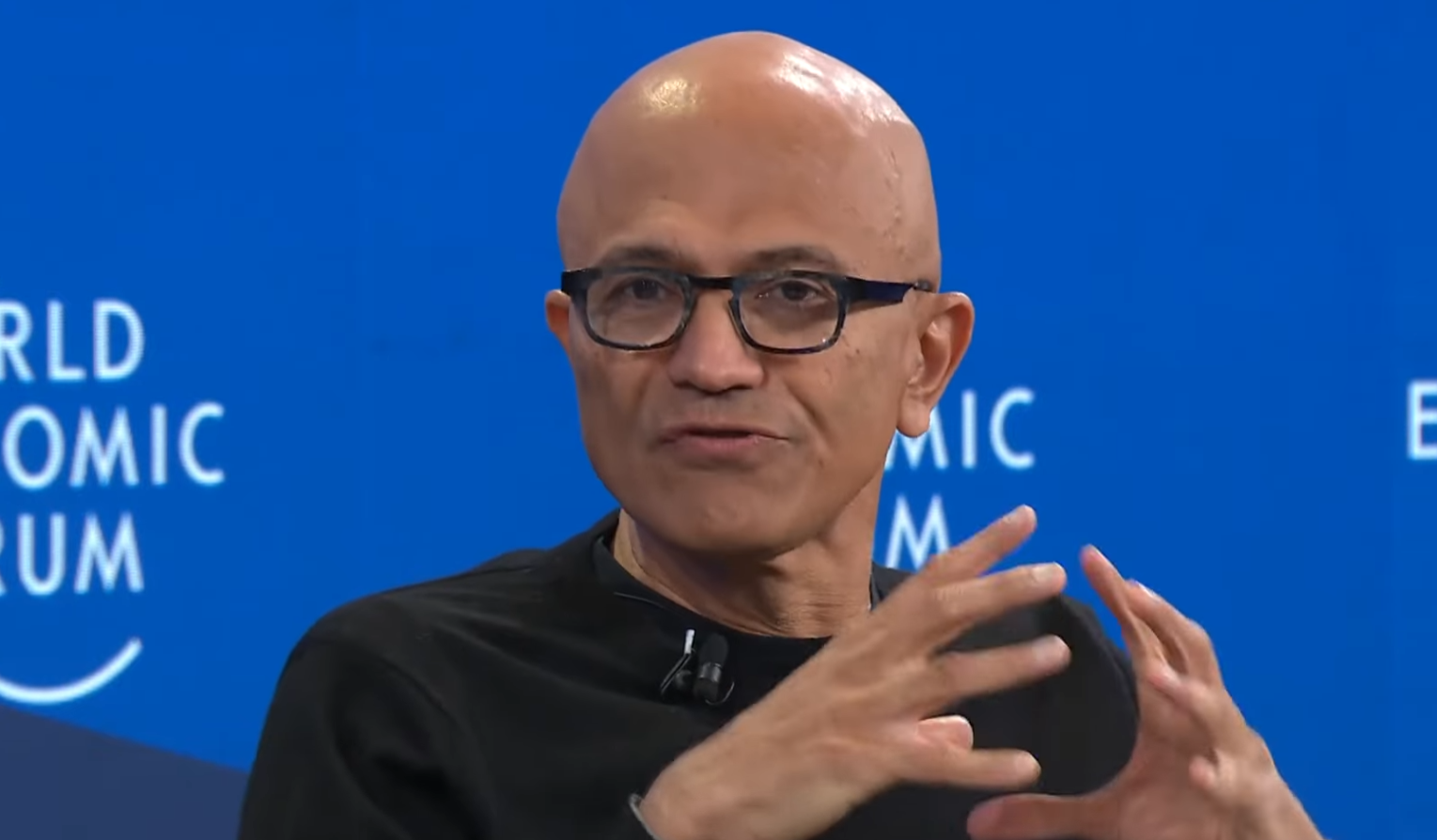
This warning came from Microsoft CEO Satya Nadella during a discussion at this year’s World Economic Forum. His message was clear: AI must move beyond hype and partnerships, proving itself through measurable improvements in health, education, public efficiency, and private-sector competitiveness. Without such progress, the industry risks losing not only investor confidence but also the trust of society.
The stakes are high. Nadella’s remarks reflect growing concerns about AI’s environmental footprint, particularly as demand for computing power—already strained by AI training—shows no signs of slowing. While companies scramble to build the infrastructure needed to sustain AI’s growth, the real test will be whether it can deliver on its promises in practical, day-to-day applications.
One area where AI has already shown promise is healthcare. Nadella cited a scenario where doctors spend more time with patients while AI handles transcription and administrative tasks—streamlining workflows for providers, payers, and patients alike. Studies suggest that such tools are well-received by medical professionals, though further research is needed to fully understand their long-term impact.
Yet skepticism lingers. A recent report from researchers affiliated with the MIT Media Lab found that a staggering 95% of organizations see little return on their AI investments—a statistic that underscores the gap between ambition and execution. Nadella counters this by arguing that AI, when properly deployed, could ‘bend the productivity curve,’ driving economic growth beyond just capital expenditure. Whether this vision becomes reality remains an open question.
As the industry prepares for CES 2026, where major tech players will showcase their latest advancements, the focus is likely to shift from raw innovation to tangible outcomes. If AI cannot deliver on its potential, the consequences could extend far beyond boardroom discussions—affecting everything from energy policy to public perception of technology itself.