Micron's recent strategic revelations have exposed the intricate challenges behind global memory shortages, painting a picture far more complex than simple supply-and-demand imbalances. The world's leading memory manufacturer, which dominates both consumer and AI markets, has outlined why relief for end-users remains years away - potentially extending into 2028 - despite industry-wide efforts to expand production capacity.
The company's insights challenge common perceptions about market priorities, revealing how the explosive growth of data center demand is fundamentally altering manufacturing dynamics. While consumers face record prices - with 256GB DDR4 kits retailing for over $3,000 and entry-level DDR5 modules exceeding $300 - Micron's leadership insists the situation stems from industry-wide constraints rather than corporate priorities.
At the heart of this complexity lies a fundamental shift in manufacturing requirements. Traditional production models assumed relatively stable demand patterns with gradual transitions between memory generations. Today, however, AI-driven workloads are creating unprecedented volatility, forcing manufacturers to constantly adjust production lines - a process that significantly reduces output efficiency.
'What we're seeing now is that every time customers want to move from 12GB to 16GB configurations, our output drops,' explains Micron's VP of Marketing. 'This isn't just about building more fabs - it's about managing an increasingly complex production ecosystem where density variety becomes as critical as sheer volume.'
This manufacturing reality helps explain why even massive expansions like Micron's ID1 facility in Idaho, which broke ground three years ago, won't provide meaningful relief until 2028. The qualification process alone - including customer certifications and tooling setup - extends beyond the initial production ramp-up, creating a lag that will keep prices elevated for years to come.
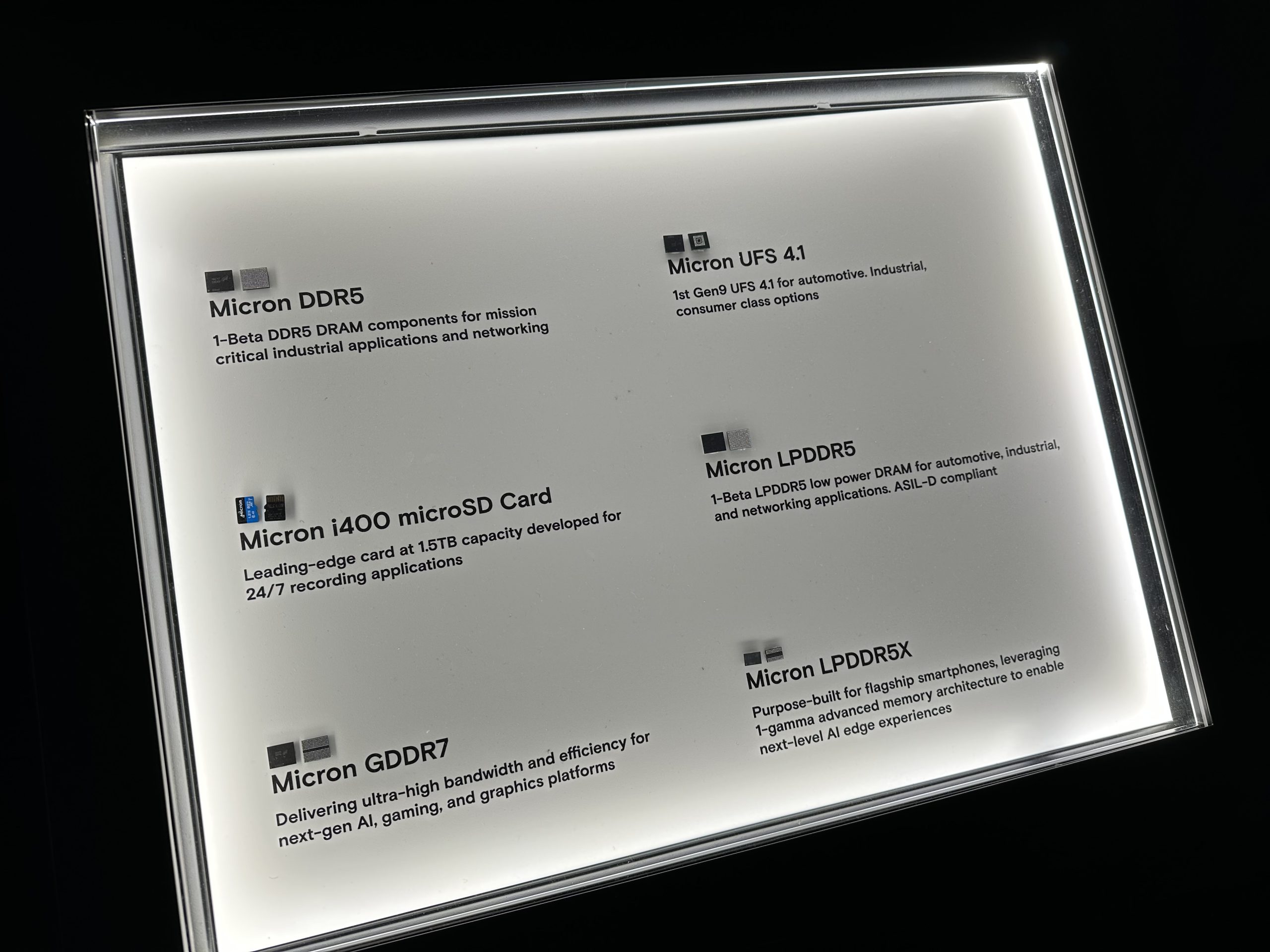
Interestingly, Micron maintains its commitment to consumer markets remains strong despite AI's dominance. While the company exited its Crucial brand in 2023, it continues to supply major OEMs like Dell and ASUS through direct channels, accounting for a substantial portion of global consumer memory shipments. The perception that Micron has 'abandoned' consumers stems partly from this shift in distribution strategy rather than any reduction in manufacturing capacity.
The situation is further complicated by China's emerging memory sector, with firms like CXMT positioning to challenge Western dominance. While Micron welcomes this competition - viewing it as a catalyst for innovation - the company acknowledges that local supply chains in China have already begun servicing significant portions of global demand, particularly in mobile and client markets.
Looking ahead, industry analysts suggest memory shortages will persist at least through Q4 2027, with contract prices potentially rising another 50% this quarter alone. The combination of AI-driven demand surges, manufacturing complexity, and prolonged qualification cycles means consumers should brace for continued price volatility in the near term.
Quick take: The memory shortage narrative needs rewriting. It's not about companies prioritizing AI over consumers - it's about an industry struggling to adapt to unprecedented demand patterns while grappling with fundamental production constraints that will keep prices high well beyond initial expectations. For buyers, this means strategic planning around capacity requirements becomes more crucial than ever, with potential cost savings coming only after significant infrastructure investments bear fruit in 2028.