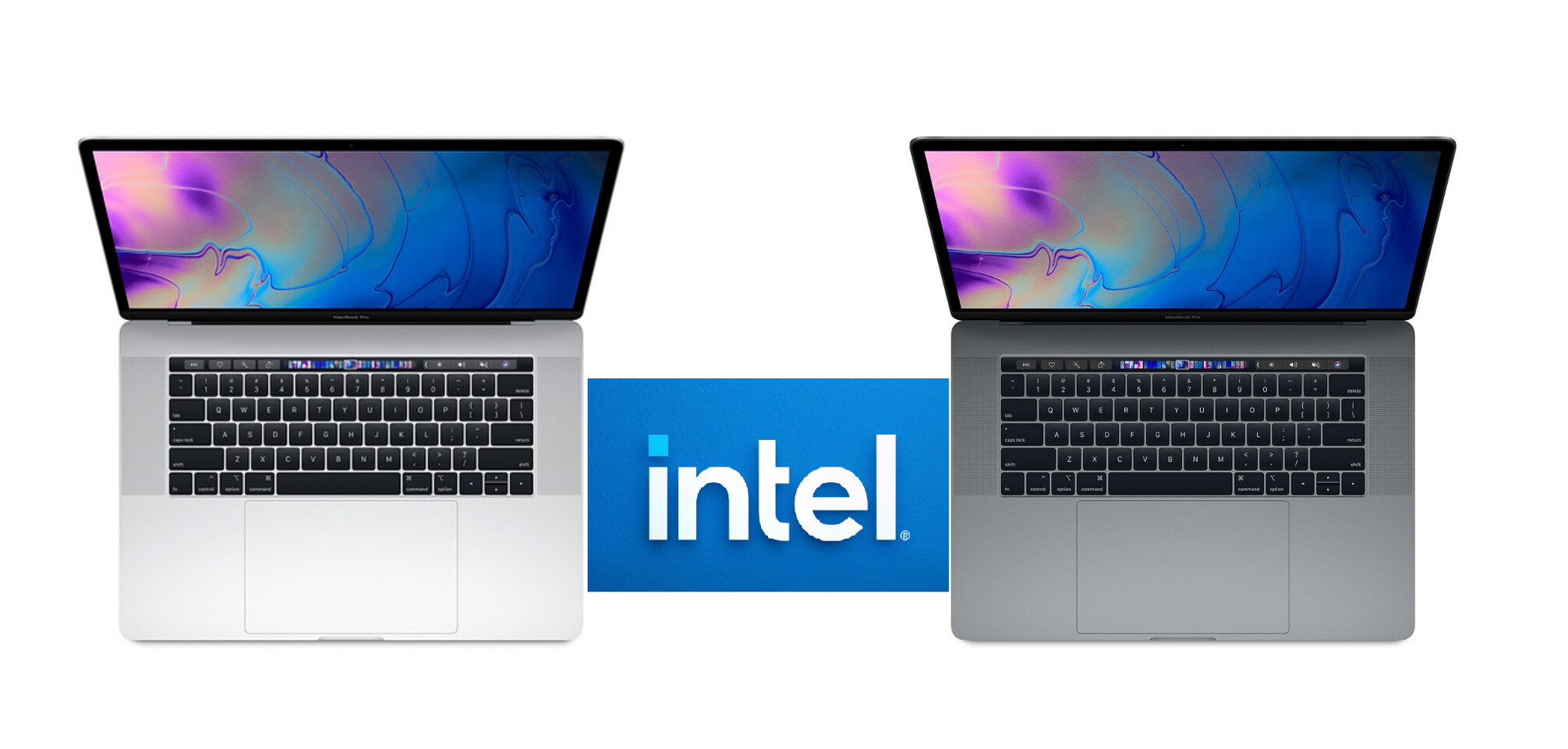
Apple has confirmed the arrival of its M5 Pro and M5 Max chips for the 14- and 16-inch MacBook Pro models, touting breakthroughs in CPU, GPU, and memory bandwidth. However, key details—pricing, exact supply timelines, and how these gains translate to AI workloads—remain under wraps.
What is clear: M5 Pro and M5 Max are built on a new Fusion Architecture that combines two dies into one system-on-chip, promising up to 4x faster AI performance compared to the previous generation. M5 Pro supports up to 64GB of unified memory with 307GB/s bandwidth, while M5 Max can handle 128GB at 614GB/s. Both chips feature a Neural Accelerator in each GPU core, a design that Apple claims will enable local training of advanced LLMs—a capability no other laptop currently offers.
- Key specs:
- M5 Pro: up to 18-core CPU (6 super cores + 12 performance cores), 307GB/s memory bandwidth, 4x faster LLM prompt processing vs. M4 Pro
- M5 Max: up to 18-core CPU, 614GB/s memory bandwidth, 8x faster AI image generation vs. M1 Max
- Storage: 1TB standard on M5 Pro models, 2TB on M5 Max; 2x faster SSD performance (up to 14.5GB/s)
- Display: Liquid Retina XDR with nano-texture option, 1600 nits peak HDR brightness
- Connectivity: Wi-Fi 7 via Apple N1 chip, three Thunderbolt 5 ports, HDMI (8K support), SDXC card slot
- Battery life: up to 24 hours; fast-charge to 50% in 30 minutes with 96W adapter
The chips also deliver significant gains in graphics performance—up to 50% faster than M4 Pro and M4 Max—with real-time 3D rendering and VFX previews cited as key use cases. However, whether these improvements translate smoothly into professional workflows (e.g., video editing, simulation) remains untested.

Industry watchers are eyeing the supply chain and pricing. If Apple follows past patterns, M5 Pro models will likely start around $2,199 for 14-inch configurations and $2,699 for 16-inch, while M5 Max variants could top $3,599. But with no official confirmation yet, the question lingers: Will these chips be available in volumes that meet demand, or will they face the same supply constraints that plagued earlier generations?
For AI researchers and developers, the promise of on-device LLM training is compelling—but only if the hardware delivers consistent performance without thermal throttling. The increased memory bandwidth could be a game-changer for large datasets, but real-world benchmarks are still pending.
The MacBook Pro’s Liquid Retina XDR display (with a nano-texture option) and Wi-Fi 7 support via the N1 chip add value, but these features don’t directly address the core concern: whether Apple can balance cutting-edge specs with practical availability. The next few weeks will reveal if this is an AI leap or just another supply gamble.