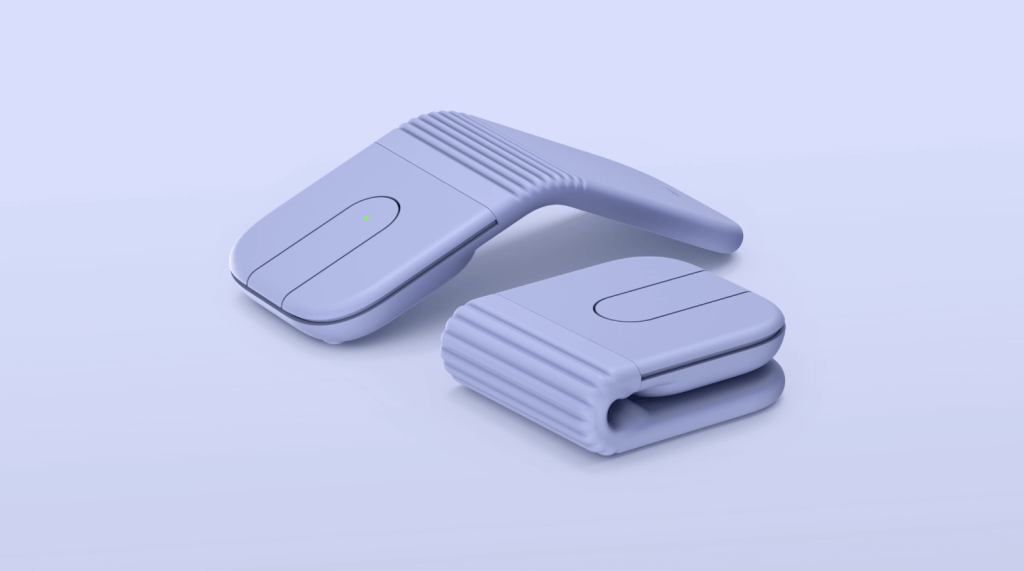
Logitech’s G Pro X2 Superstrike isn’t just another high-end gaming mouse—it’s a bet on a fundamentally different way to register clicks. By replacing traditional optical sensors with induction-based actuation, the device claims to shave milliseconds off response time, a feature that could redefine competitive gaming peripherals. But at $180, it’s a premium product in a market where even top-tier mice rarely exceed $160. The bigger question isn’t whether it works, but whether this tech will ever leave the luxury segment.
Induction isn’t new—keyboard manufacturers have used it for years to eliminate mechanical switch latency—but Logitech’s approach applies the principle to mouse buttons. The result? A claimed 30-millisecond reduction in actuation time, a figure that, while modest in absolute terms, could translate to a tangible edge in fast-paced shooters. The Superstrike also adds haptic feedback, a rarity in mice, further justifying its steep price.

- Price: $180 (launching February 10)
- Technology: Induction-based actuation (no optical sensor delay)
- Latency claim: 30ms faster response than traditional switches
- Additional features: Haptic feedback, adjustable actuation force
- Comparison: More expensive than Razer DeathAdder V4 Pro ($160)
The Superstrike’s induction system works by detecting the position of a conductive element rather than relying on physical movement. This eliminates the need for magnets or complex optical setups, potentially lowering long-term production costs. Logitech’s Head of Engineering suggests the technology could eventually migrate to mid-range and budget mice, following the same path as Hall effect keyboards, which started as a premium feature before becoming standard in $40 peripherals.
Yet the timeline remains unclear. Inductive switches from competitors like Cherry MX already hint at cost savings—manufacturers claim they’re half the price of mechanical alternatives—but scaling a full mouse design requires more than just switch-level efficiency. Logitech’s track record with bleeding-edge peripherals (like its failed HERO VR headset) adds a layer of skepticism. Still, if the Superstrike’s tech proves reliable, the company’s roadmap could accelerate, making high-performance actuation accessible to a broader audience.
For now, the Superstrike remains a niche product, catering to competitive gamers willing to pay a premium for marginal gains. But if Logitech’s engineers are correct, the real story isn’t this mouse—it’s the potential for induction to become the new standard, just as Hall effect did for keyboards.