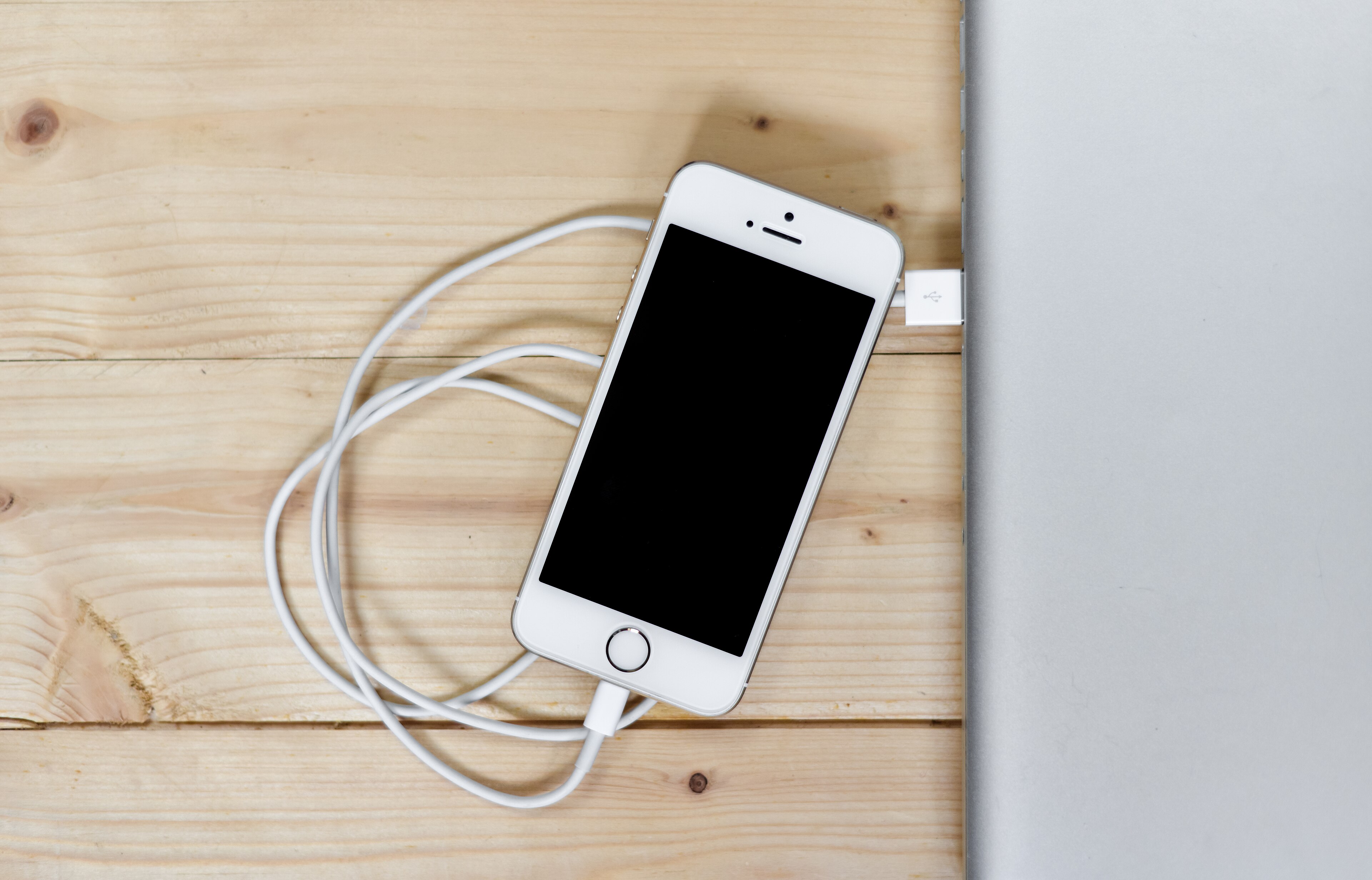
In Q1 2026, Apple's iPhones became a force to reckon with—not just in terms of units sold, but in how much money they generate. While other brands churned out millions of devices, the iPhone’s revenue share surged ahead, leaving competitors scrambling to catch up.
This shift isn’t just about volume; it’s about value. The iPhone’s ability to command higher prices while maintaining strong adoption rates has created a self-reinforcing cycle that benefits Apple and challenges the rest of the industry.
The Numbers Behind the Shift
- Revenue Share: Apple’s iPhones captured over 50% of global smartphone revenue in Q1 2026, a figure that dwarfs competitors like Samsung and Xiaomi.
- Shipment Growth: iPhone shipments grew by nearly 8%, while the broader market saw only a modest 3% increase.
- Profit Margins: The iPhone’s premium pricing strategy ensures that Apple retains a larger slice of the revenue pie, even as competitors struggle with price wars and thinning margins.
That’s the upside—here’s the catch. While Apple thrives on its ecosystem lock-in and brand loyalty, other manufacturers are left grappling with how to compete without sacrificing profitability.
What It Means for the Industry
The iPhone’s dominance isn’t just a matter of market share; it’s reshaping how smartphones are developed, priced, and sold. Competitors must now rethink their strategies if they want to survive in an increasingly Apple-centric landscape.
For gamers, this means fewer choices at the high end—Apple’s focus on premium performance leaves little room for innovation elsewhere. The industry’s future hinges on whether others can break free from this cycle or if Apple’s grip will only tighten.