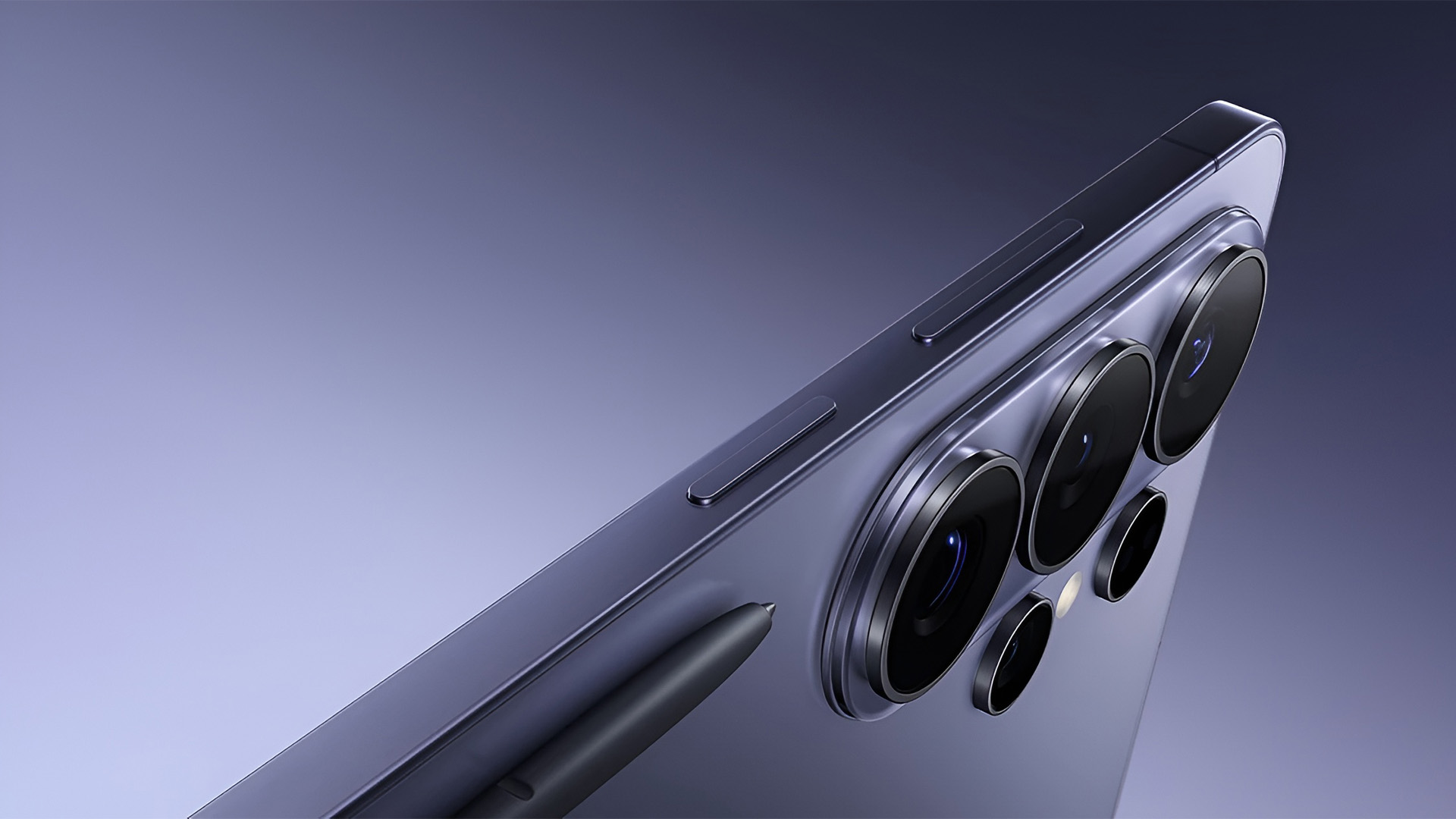
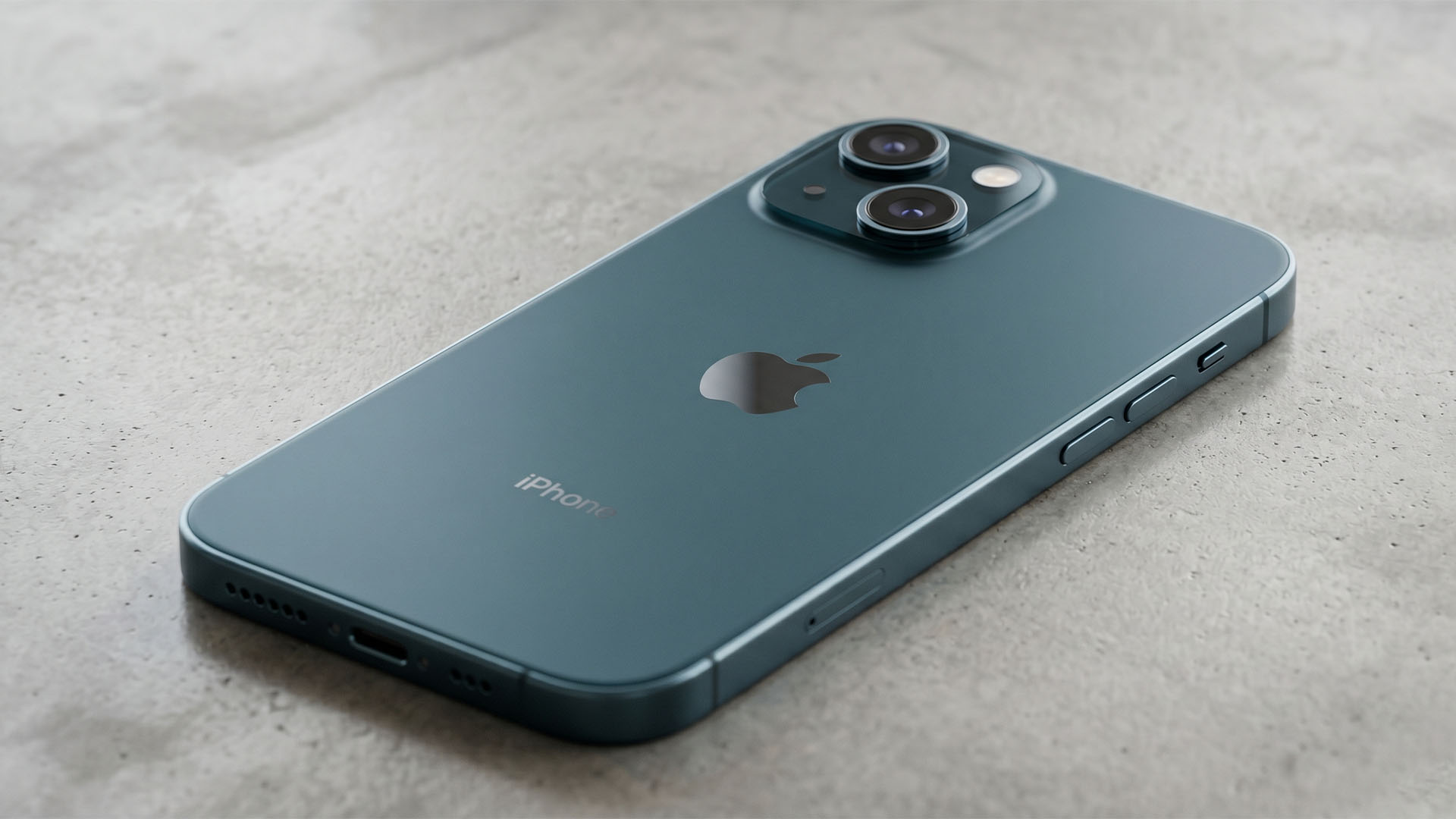
Apple’s camera team is reportedly testing a groundbreaking accessory for the upcoming iPhone 18 Pro lineup: a teleconverter lens, a DSLR-inspired tool that could dramatically extend zoom range while preserving optical quality. If adopted, this would mark a rare foray into modular camera hardware for Apple, moving beyond traditional smartphone optics to emulate professional photography workflows.
The development comes alongside the previously confirmed variable aperture lens, which will adjust light intake dynamically for sharper low-light shots and finer depth-of-field control. Together, these innovations suggest Apple is doubling down on its reputation as a mobile photography leader—but with a twist: the teleconverter would require users to physically attach an external lens, a departure from the seamless, all-in-one design of prior iPhones.
What Would a Teleconverter Do?
A teleconverter acts as a magnifying lens between the camera sensor and its primary lens, effectively increasing the focal length without altering the physical size of the camera module. In DSLR and mirrorless systems, this allows photographers to achieve extreme telephoto reach—say, converting a 100mm lens into a 200mm—while maintaining optical clarity. However, the tradeoff is significant: teleconverters reduce light transmission by up to 50%, often resulting in softer images in dim conditions unless paired with high-end glass.
For the iPhone 18 Pro, this could translate to a theoretical zoom boost—perhaps extending the Pro’s current 5x optical zoom to 7x or beyond—while keeping the primary lens compact. But engineers are reportedly weighing whether the performance hit in low light justifies the complexity. Unlike variable aperture lenses, which adapt automatically, a teleconverter would demand manual intervention, adding another layer of user interaction to Apple’s otherwise polished camera experience.

Who Stands to Gain?
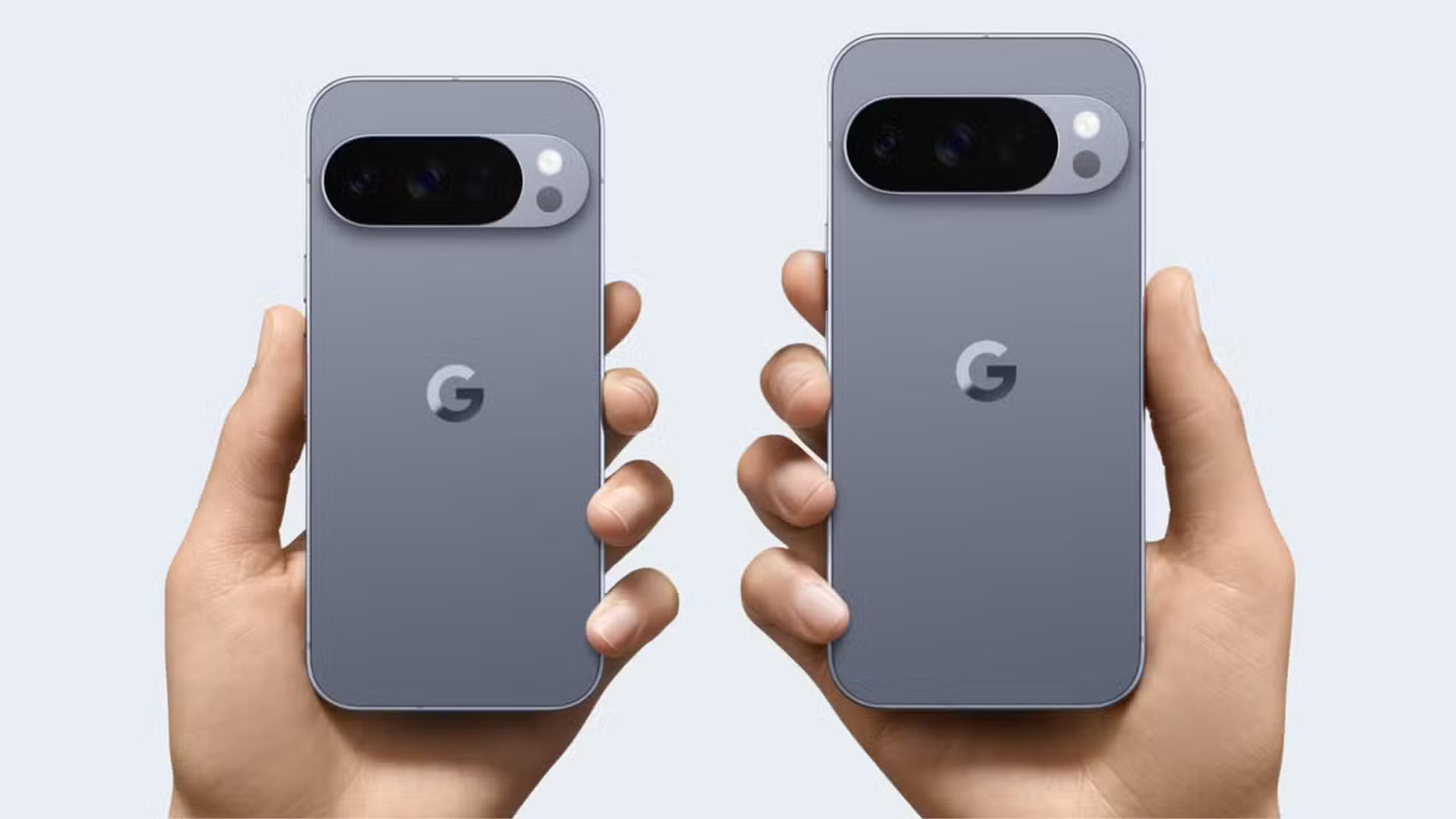
The teleconverter would primarily appeal to professional photographers and enthusiasts who rely on the iPhone for high-end mobile shooting. Current iPhone Pro users already benefit from computational photography tricks like ProRAW and ProRes video, but the lack of a true telephoto option has been a long-standing limitation compared to competitors like Samsung’s 10x zoom or Google’s Pixel Pro’s 5x optical. If Apple delivers a functional teleconverter, it could close that gap—though at the cost of added bulk and potential image degradation in less-than-ideal lighting.
There’s also the question of compatibility. Unlike accessories like the LensKit or third-party magnifiers, a built-in teleconverter would likely require a dedicated slot or magnetic coupling, adding to the iPhone’s physical footprint. Whether Apple would bundle it as an optional purchase or position it as a premium add-on remains unclear.
Caveats and Considerations
As with any speculative rumor, skepticism is warranted. The source behind this leak has a mixed track record on Apple hardware, and the technical hurdles of integrating a teleconverter—from optical alignment to software optimization—are substantial. Even if Apple prototypes the feature, it may opt for a more incremental approach, such as computational zoom enhancements or a hybrid optical/digital zoom system that avoids the pitfalls of pure teleconverters.
What’s certain is that the iPhone 18 Pro’s camera system will push boundaries further than ever. The variable aperture lens alone represents a major leap, and if the teleconverter materializes, it could redefine what’s possible in a pocket-sized device. But for now, the question isn’t whether Apple can build it—it’s whether the photography community will embrace the compromises that come with it.