Apple’s next-generation iPhone lineup is expected to undergo one of its most significant transformations yet, with reports suggesting a departure from the all-aluminum unibody construction that has become synonymous with premium smartphones. If these changes materialize, they could signal a strategic shift in Apple’s approach to hardware design, prioritizing affordability without compromising performance or user experience.
While the company has long been associated with meticulous attention to build quality and material selection, industry speculation points to a more modular framework for the iPhone 18. This could involve a combination of materials designed to reduce manufacturing costs while maintaining structural integrity. At the same time, Apple is said to be rethinking internal component layouts, particularly around power distribution and thermal management, to ensure efficiency remains on par with previous generations.
- Design: Potential transition from all-aluminum unibody to a more modular construction, possibly using mixed materials.
- Performance: Likely retention of high-end chipsets (A18 series), with optimizations for power efficiency and thermal regulation.
- Storage: No major changes expected; standard 64GB–512GB options likely, with a possible new base tier (e.g., 128GB).
- Cameras: Upgraded sensor modules, potentially featuring a new primary lens with enhanced low-light performance.
- Battery: Estimated capacity of 4,000mAh or higher, paired with more efficient charging and thermal management.
- Pricing: Rumored introduction of a lower-cost variant, possibly starting at $699 for the base model, while Pro models remain premium-priced.
The shift toward modularity introduces both opportunities and challenges. Apple’s long-standing reputation for precision engineering could be tested if new materials or assembly methods prove less reliable during mass production. Additionally, moving away from a design element as iconic as the unibody chassis may draw criticism from users who associate it with premium quality. Balancing these factors will be crucial in determining whether this strategy resonates with consumers.
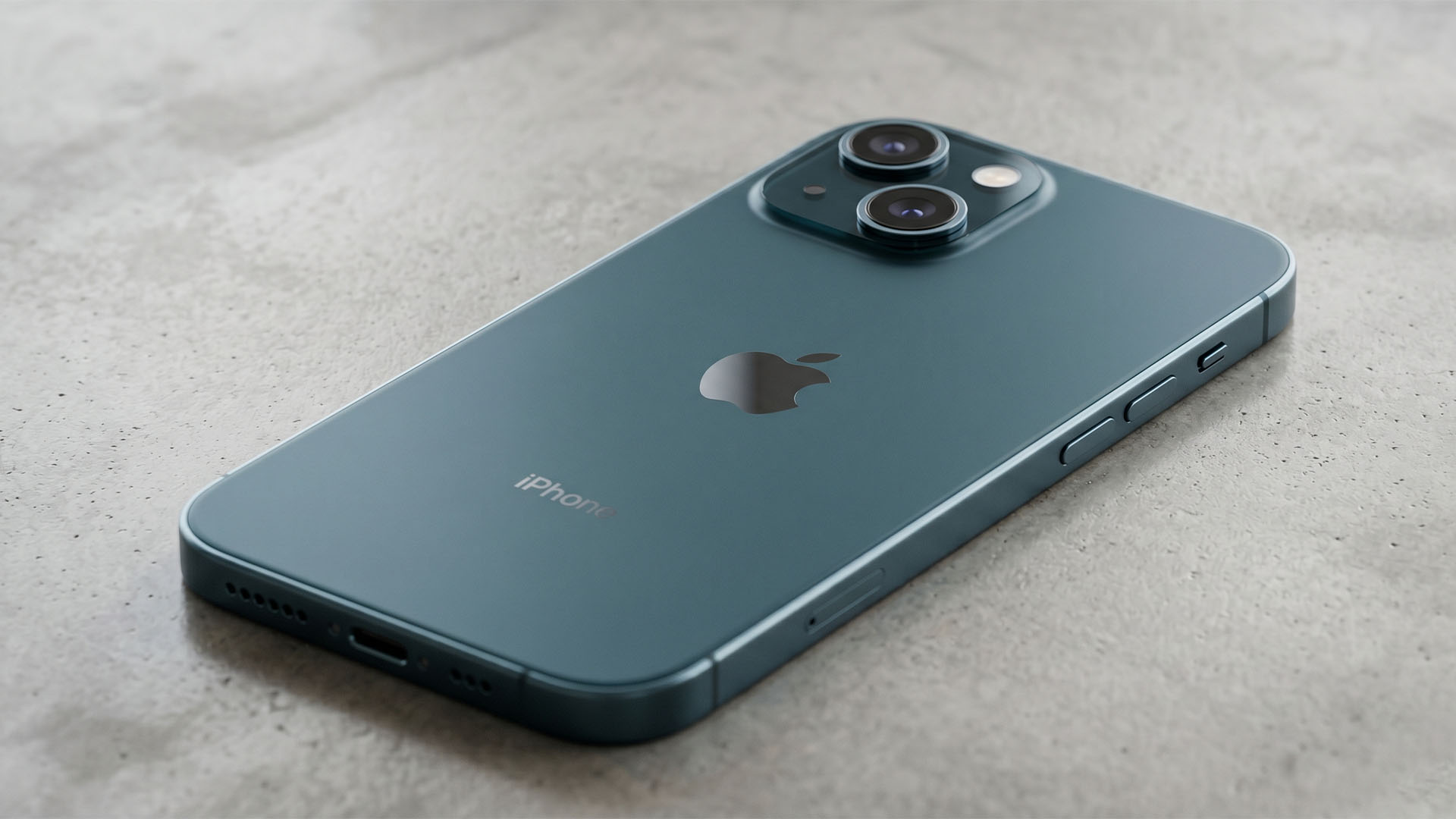
For buyers, the potential cost savings could offer more value without sacrificing core features, but the trade-off might come in subtler design cues and overall build quality. Whether Apple can successfully execute this shift remains an open question, but one thing is certain: the company is willing to experiment with its hardware philosophy if it means staying competitive in a market where affordability is becoming increasingly important.
The success of this approach will likely hinge on how smoothly these changes integrate into production. If executed well, this could set a new precedent for Apple’s future hardware strategy—one that prioritizes accessibility without compromising the brand’s legacy of innovation and performance. For now, the iPhone 18 represents more than just a product update; it may signal a broader evolution in how Apple approaches smartphone design.