SK Hynix’s 2025 financial results paint a picture of a company riding the AI wave to unprecedented heights. The South Korean memory specialist reported revenues of 97 trillion KRW—roughly $67 billion—with net profits hitting $33 billion, a 47% jump from the prior year. More striking than the raw figures is the efficiency behind them: operating margins soared to 49%, a testament to how AI-driven demand has reshaped the memory market’s economics.
The surge isn’t just about volume. SK Hynix’s profit growth outpaced revenue, meaning the company isn’t just selling more chips—it’s selling them at prices that reflect the AI boom’s insatiable appetite for high-performance memory. For shareholders, the windfall translates into a $700 million special dividend, on top of regular payouts, totaling $1.45 billion distributed in 2025 alone.
But here’s the catch: While the financials are historic, SK Hynix’s product roadmap offers scant detail about consumer-focused innovations. Instead, the company’s investments are squarely aimed at enterprise and AI infrastructure—leaving PC gamers, builders, and budget-conscious buyers in the lurch.
The AI-Centric Roadmap
SK Hynix’s strategy for 2026 and beyond is dominated by next-generation memory technologies tailored for data centers and AI workloads. The company confirmed it has begun mass production of HBM4, a high-bandwidth memory stack critical for AI accelerators and supercomputing. This follows its earlier industry-first 10nm-class 1cnm process for conventional DRAM, which will underpin products like SOCAMM2—a memory solution designed for AI inference chips—and GDDR7, the same interface used in high-end gaming GPUs like Nvidia’s RTX 40-series.
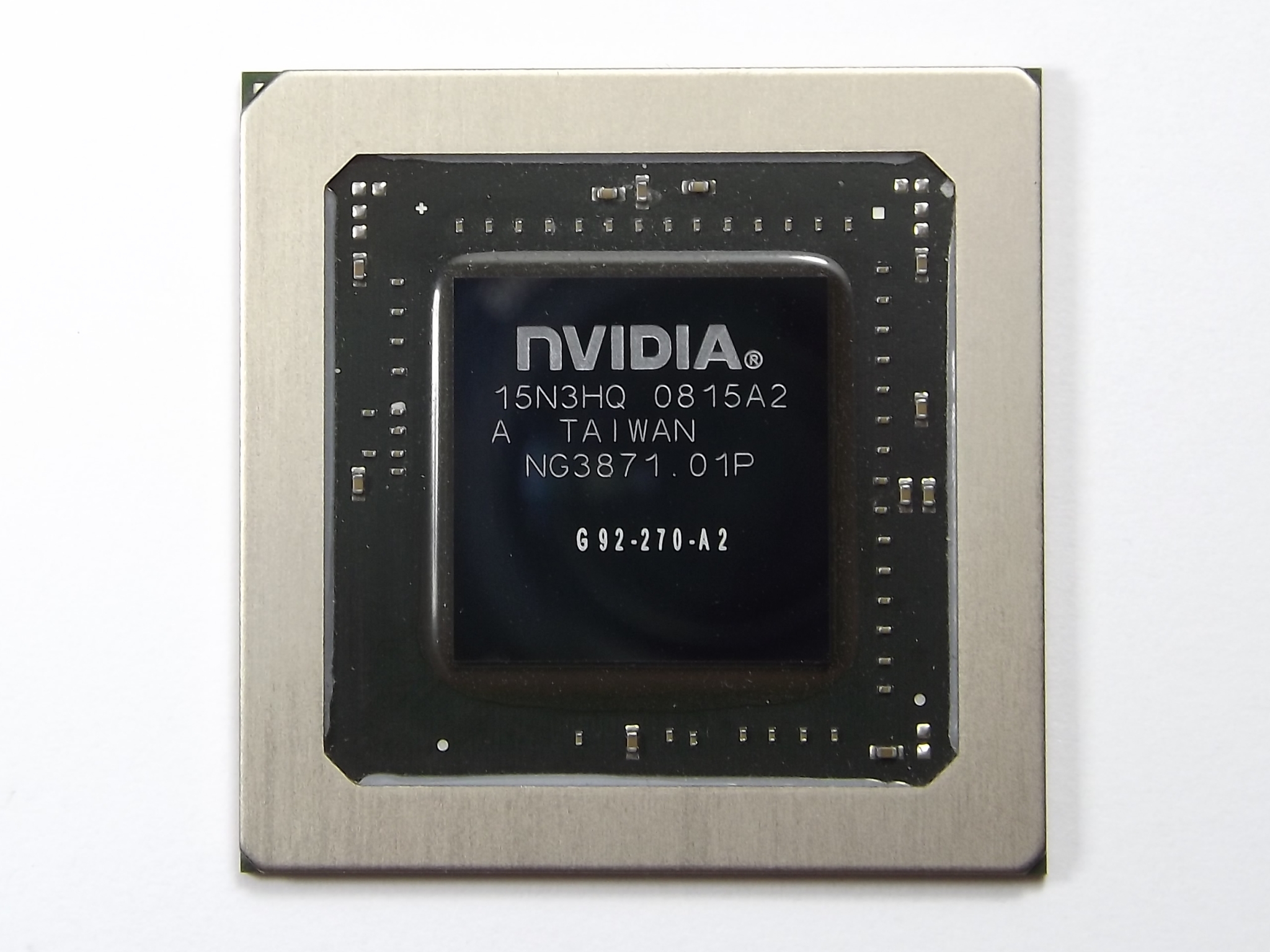
For NAND flash, SK Hynix is doubling down on 321-layer QLC eSSDs through its Solidigm subsidiary, positioning itself to meet the explosive storage demands of AI training clusters. Yet again, the focus is on enterprise scalability, not consumer-grade SSDs or budget-friendly upgrades.
What’s Missing for PC Users?
The absence of consumer-centric announcements is telling. SK Hynix’s press materials make no mention of plans to expand DRAM capacity for laptops, desktops, or gaming rigs—markets where memory prices remain stubbornly high. The company’s 49% operating margin suggests it’s capitalizing on AI-driven pricing power, but there’s little indication it will pass savings to mainstream buyers.
Even the GDDR7 reference, while relevant to gaming GPUs, feels like an afterthought. The real money is in HBM and enterprise DRAM, where SK Hynix is betting big on AI’s unrelenting growth. For now, PC enthusiasts may find themselves paying a premium for memory—with no relief in sight.
A Dividend for Shareholders, Not for Innovation
The $700 million special dividend is a clear signal: SK Hynix is prioritizing shareholder returns over aggressive R&D for consumer markets. While the company invests heavily in HBM4 and 10nm DRAM, its silence on traditional memory upgrades hints at a future where PC users remain secondary to AI infrastructure.
For SK Hynix, the AI era is a gold rush. For everyone else, the question remains: When will the memory market remember the rest of us?