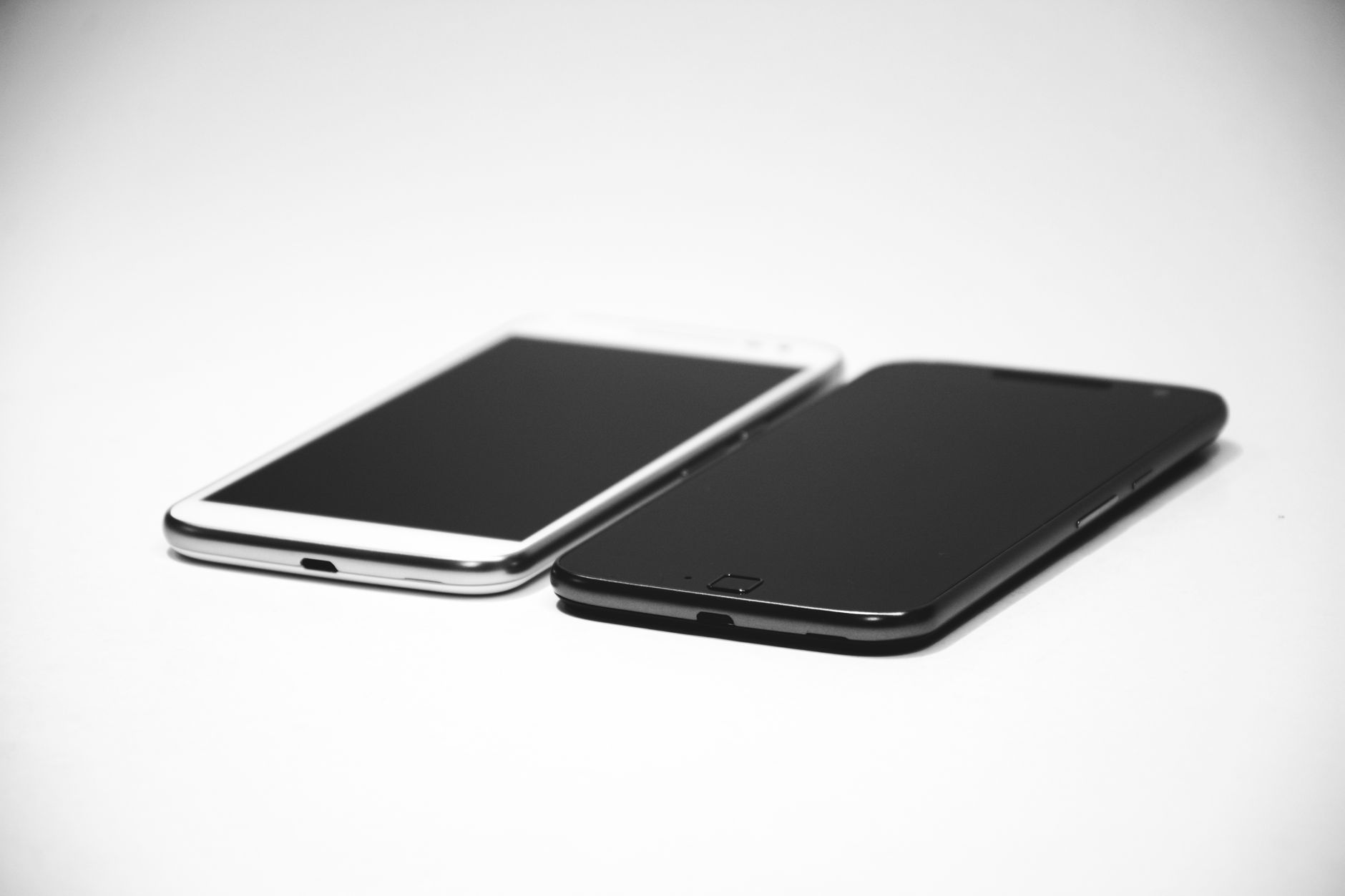
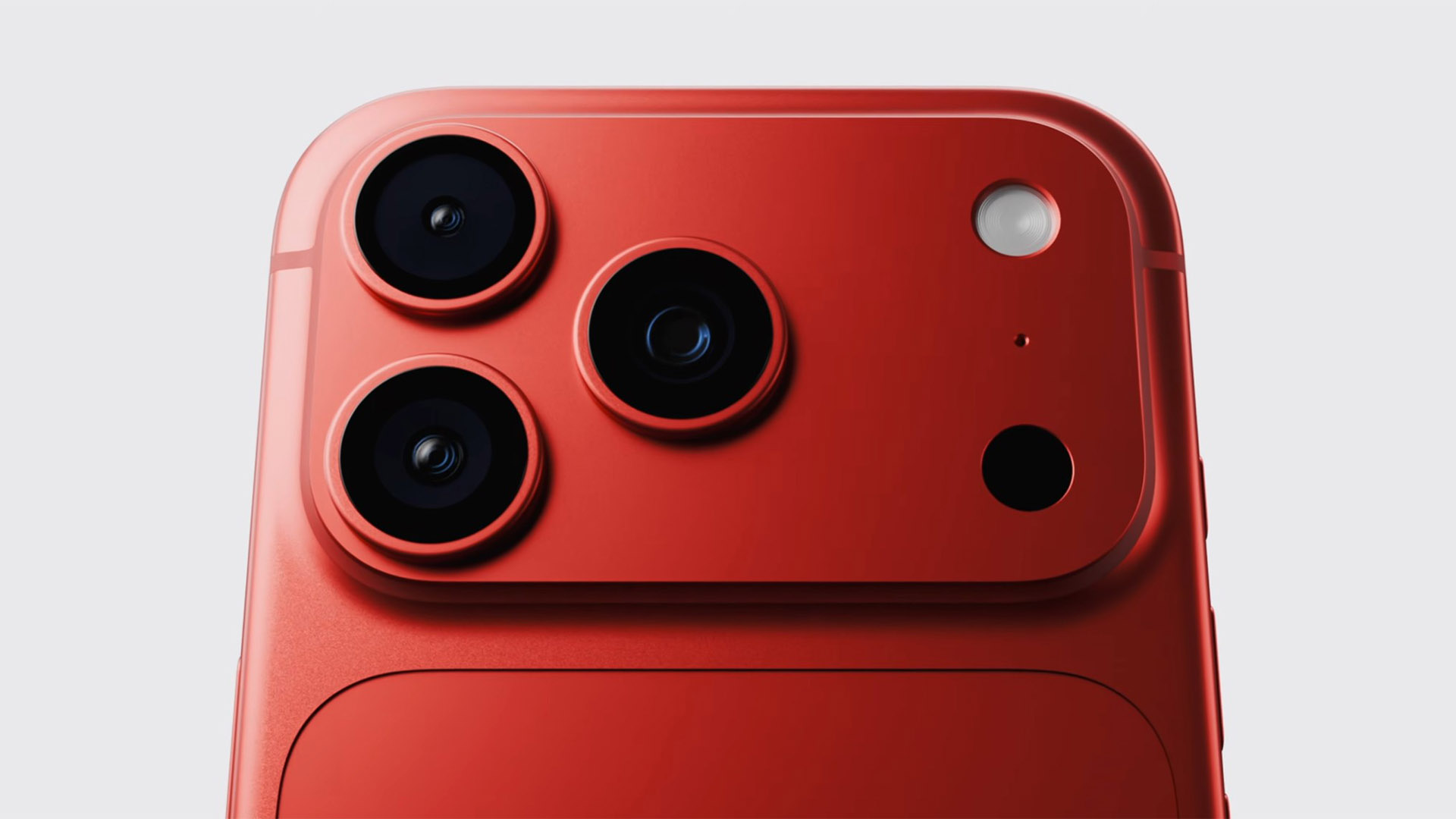
The iPhone 18 Pro could mark a shift in Apple’s design philosophy, prioritizing durability without sacrificing its signature slim profile. Sources suggest that future models may incorporate a more reinforced front glass panel, potentially addressing one of the most common complaints about current devices—scratch susceptibility.
While exact specifications remain under wraps, leaked details hint at subtle but meaningful improvements. The device is expected to retain Apple’s standard dimensions and weight, ensuring it fits seamlessly into existing iPhone ecosystems while offering better protection against daily wear. This approach aligns with a broader trend in the industry toward more resilient hardware, though whether Apple will go as far as some competitors—such as adding textured finishes or raised edges for grip—remains unclear.
Key Specifications
- Front Glass: Potentially stronger, more scratch-resistant panel (exact composition unconfirmed).
- Build: Likely retains current dimensions (around 150.3 x 76.1 x 8.4 mm) with minimal thickness changes.
- Weight: No significant increase expected, maintaining the lightweight feel of prior models.
- Materials: Rumored to use a combination of aerospace-grade aluminum and reinforced glass (similar to current iPhones).
The emphasis on durability doesn’t come without trade-offs. A stronger front panel could mean slightly higher manufacturing costs, though Apple has historically absorbed such expenses without passing them directly to consumers. Whether this will translate into a more premium price point or simply better long-term value remains to be seen.
Context and Implications
This potential shift reflects a growing demand from users for phones that can withstand heavier use without showing signs of wear. Competitors like Samsung and Google have already introduced features like Gorilla Glass Victus+ and textured back panels, but Apple’s approach—if it follows through—will likely be more understated. The company has historically avoided gimmicks in favor of incremental improvements, so any changes to the iPhone 18 Pro’s build would probably be subtle yet significant.
For gamers and power users, this could mean less worry about daily scratches or cracks, especially for those who rely on touchscreen responsiveness. However, the real test will be whether Apple can balance durability with the smooth, glass-like finish that has become synonymous with iPhones. If past models are any indication, the trade-off between protection and premium feel may still be a delicate one.
The iPhone 18 Pro’s availability is not yet confirmed, but if it follows Apple’s typical release cycle, we could see it hitting shelves in late 2026 or early 2027. Whether this model will include other major upgrades—such as new chipsets or camera improvements—remains uncertain, but the focus on longevity suggests a more evolutionary than revolutionary update.