Intel has introduced a subtle but meaningful addition to its Raptor Lake mobile CPU family: the Core i7-13645HX. This chip doesn’t just follow the blueprint set by its predecessor—the i7-13650HX—it refines it with faster memory support and more capable integrated graphics, all while operating under the same power and process constraints.
The 13645HX maintains the core architecture of Raptor Lake: 14 cores split into six performance cores (P-cores) and eight efficiency cores (E-cores), delivering a total of 20 threads. It shares the same 24 MB of Smart Cache as its sibling, but where it diverges is in memory bandwidth and graphics performance. Unlike the i7-13650HX, which maxes out at DDR5-4800 with 76.8 GB/s of memory bandwidth, the 13645HX pushes that to DDR5-5600, boosting bandwidth to 89.6 GB/s—a noticeable jump for workloads that demand faster data throughput.
Integrated graphics also see an upgrade. The i7-13645HX features Intel UHD Graphics P730 with 32 execution units, double the capability of the 16-unit version found in the older model. This makes it more suitable for light gaming or video editing tasks where integrated graphics can handle basic acceleration without relying solely on a dedicated GPU.
Key Specs
- CPU Cores: 14 (6 P-cores, 8 E-cores)
- Threads: 20
- Cache: 24 MB Smart Cache
- Base Clock: Up to 3.5 GHz (P-cores), 3.6 GHz (E-cores)
- Max Turbo: 4.9 GHz
- Memory Support: DDR5-5600, 89.6 GB/s bandwidth
- Graphics: Intel UHD Graphics P730 (32 EUs)
- Process Node: Intel 10 nm (Intel 7)
- TDP: 55 W base, 157 W peak
The tradeoff is efficiency. While the i7-13645HX maintains a similar power profile to its predecessor, its E-cores max out at 3.5 GHz compared to 3.6 GHz on the older chip. This slight reduction in clock speeds may not be noticeable in most workloads, but it reinforces the idea that Raptor Lake is optimized for performance density rather than raw efficiency.

When placed alongside Intel’s higher-end i7-13700HX, the 13645HX sits in a middle ground. The 13700HX offers eight P-cores, a higher boost clock of 5.0 GHz, and 30 MB of cache, making it better suited for extreme gaming or rendering scenarios. But for mainstream power users—those who need strong performance without the thermal or power draw of the top-tier HX chips—the 13645HX provides a balanced alternative.
Engineering Tradeoffs
The 13645HX’s design reflects Intel’s ongoing strategy with Raptor Lake: pushing performance while working within the limits of a mature 10 nm process. The shift to DDR5-5600 support is a clear nod to modern workloads that demand faster memory, even if the underlying process node remains unchanged. This approach allows for incremental improvements without requiring a full generational leap.
For power users, this means better memory bandwidth for tasks like video editing or light gaming, but it doesn’t come without constraints. The 10 nm process limits power efficiency compared to newer nodes like Intel’s 7 nm or TSMC’s N3B, which are expected in future generations like Arrow Lake. However, for now, the 13645HX offers a refined balance—faster memory and stronger integrated graphics without the thermal overhead of more aggressive designs.
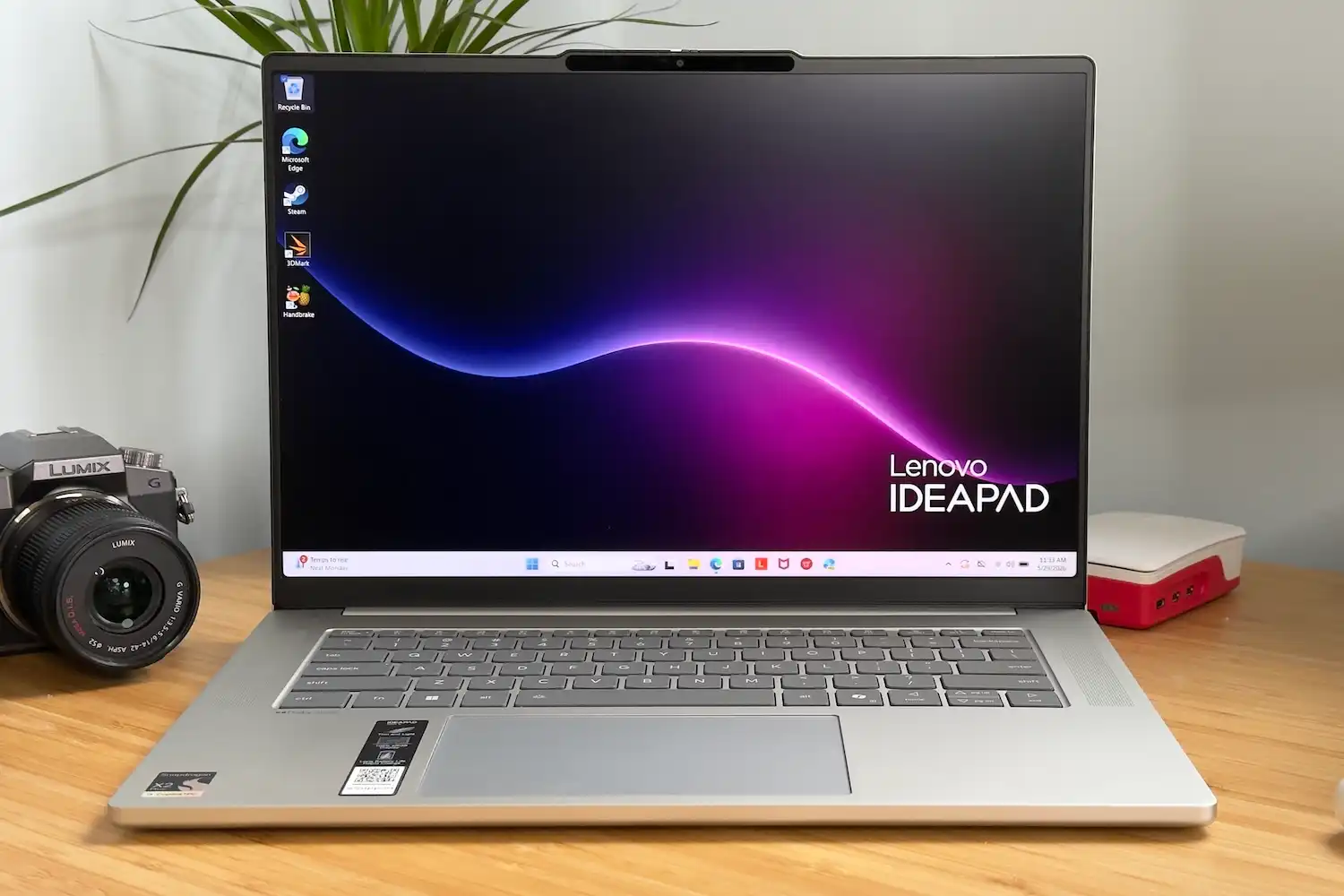
Availability is still unclear, but it’s likely to appear in select gaming and creator-focused laptops over the next few months. For those who need a step up from older i7 models like the 9700, this could be an attractive option—just not one that pushes boundaries as much as Intel’s top-tier HX chips.