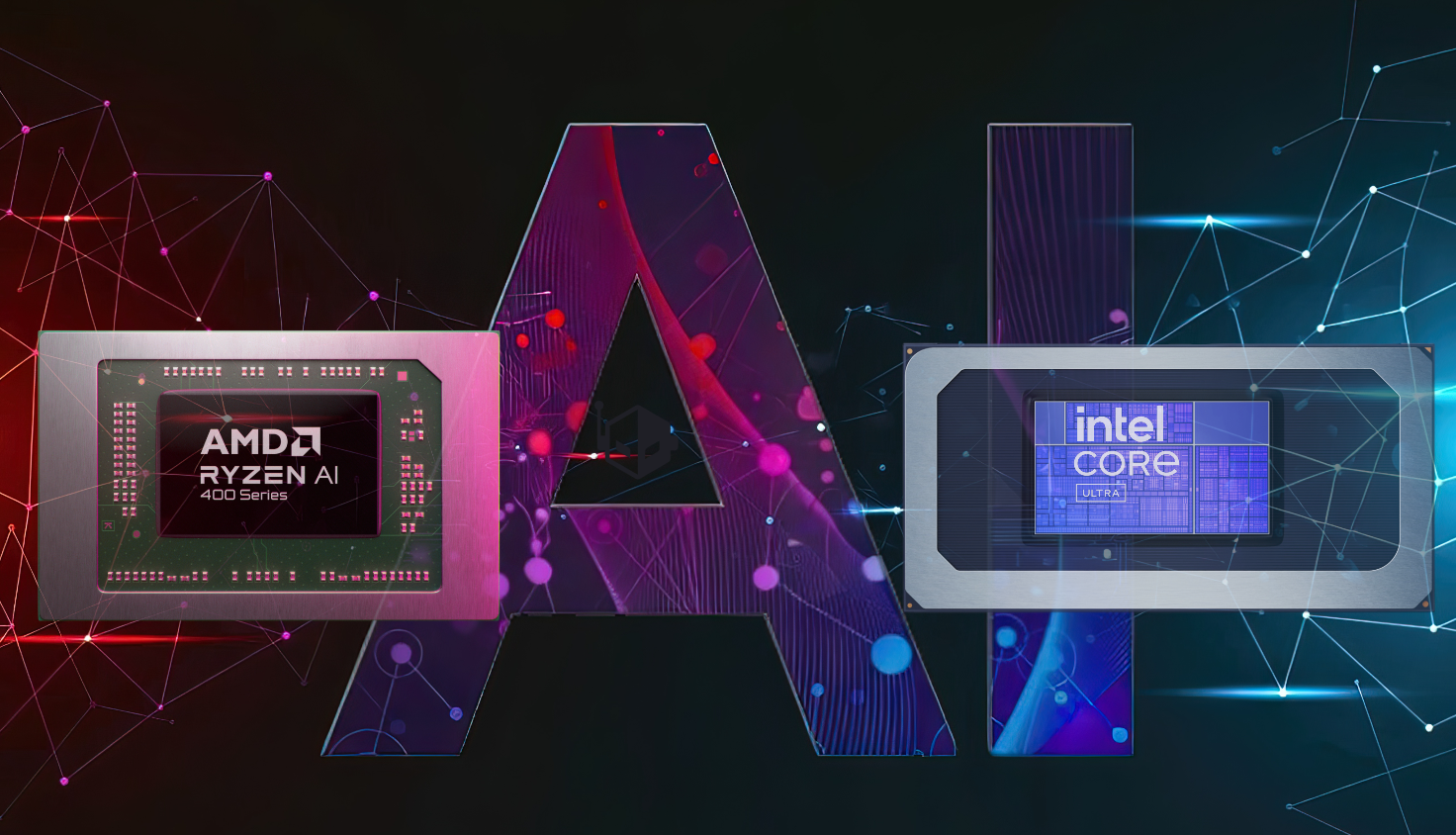
Intel's Nova Lake architecture marks a significant leap forward in desktop processing, particularly for the Core Ultra Series 4. This new generation of CPUs introduces a range of configurations that balance raw performance with power efficiency, addressing the needs of both high-end enthusiasts and everyday users. However, the shift to a larger die size and increased core counts raises questions about compatibility and real-world performance in existing systems.
The Core Ultra Series 4 is designed to bridge the gap between traditional desktop CPUs and more specialized processors like those found in laptops or embedded systems. With core counts ranging from 6 to 52, Intel is targeting a broad spectrum of use cases, from light productivity tasks to demanding workloads such as content creation or scientific simulations. The thermal design power (TDP) varies significantly across SKUs, from as low as 35W for mobile-friendly options to a robust 175W for high-performance desktop models.
Architectural Innovations and Workload-Specific Design
The Nova Lake architecture is built around a modular design that allows Intel to optimize performance for specific workloads. This includes a focus on efficiency cores (E-cores) alongside performance cores (P-cores), a strategy that has become standard in modern CPU design. The inclusion of up to 52 cores suggests a strong emphasis on multi-threaded applications, such as video editing or 3D rendering, where parallel processing can drastically reduce task completion times.
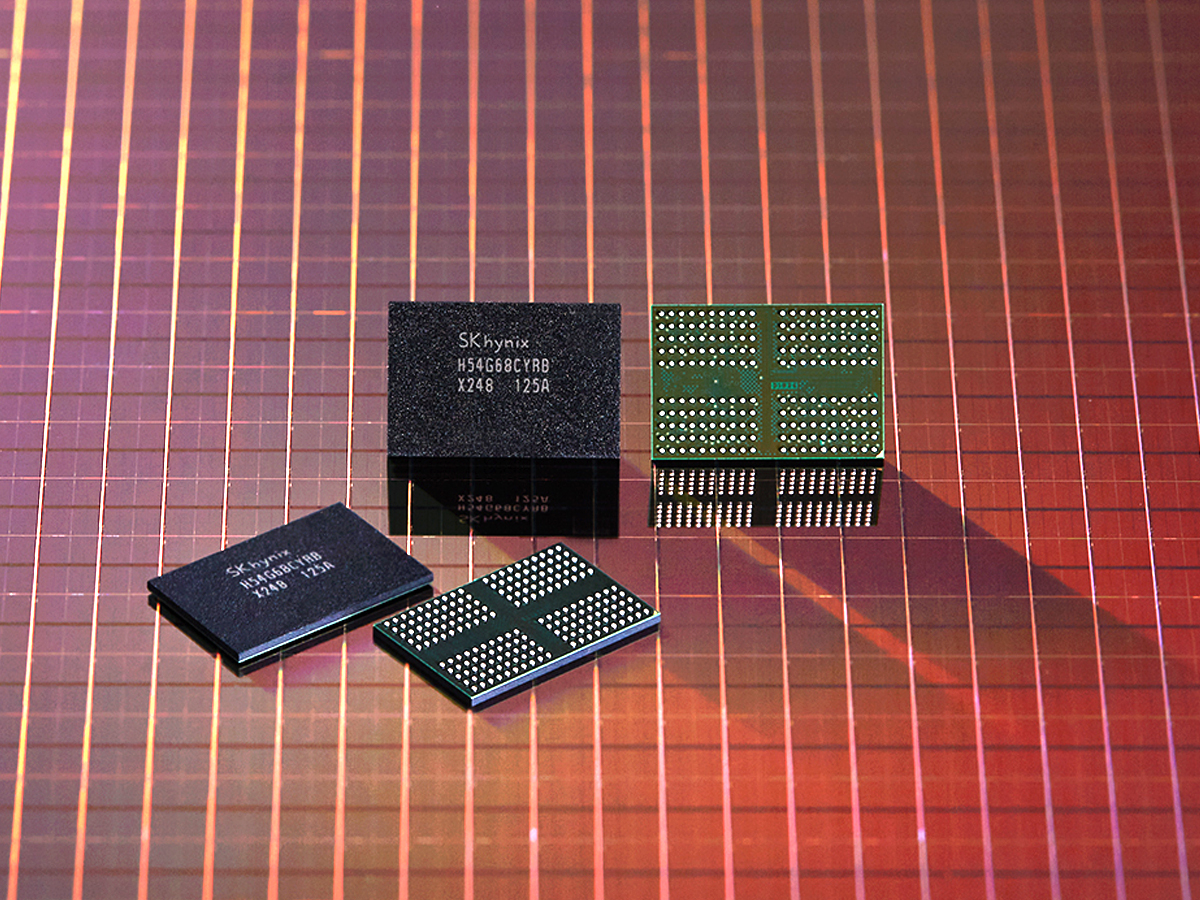
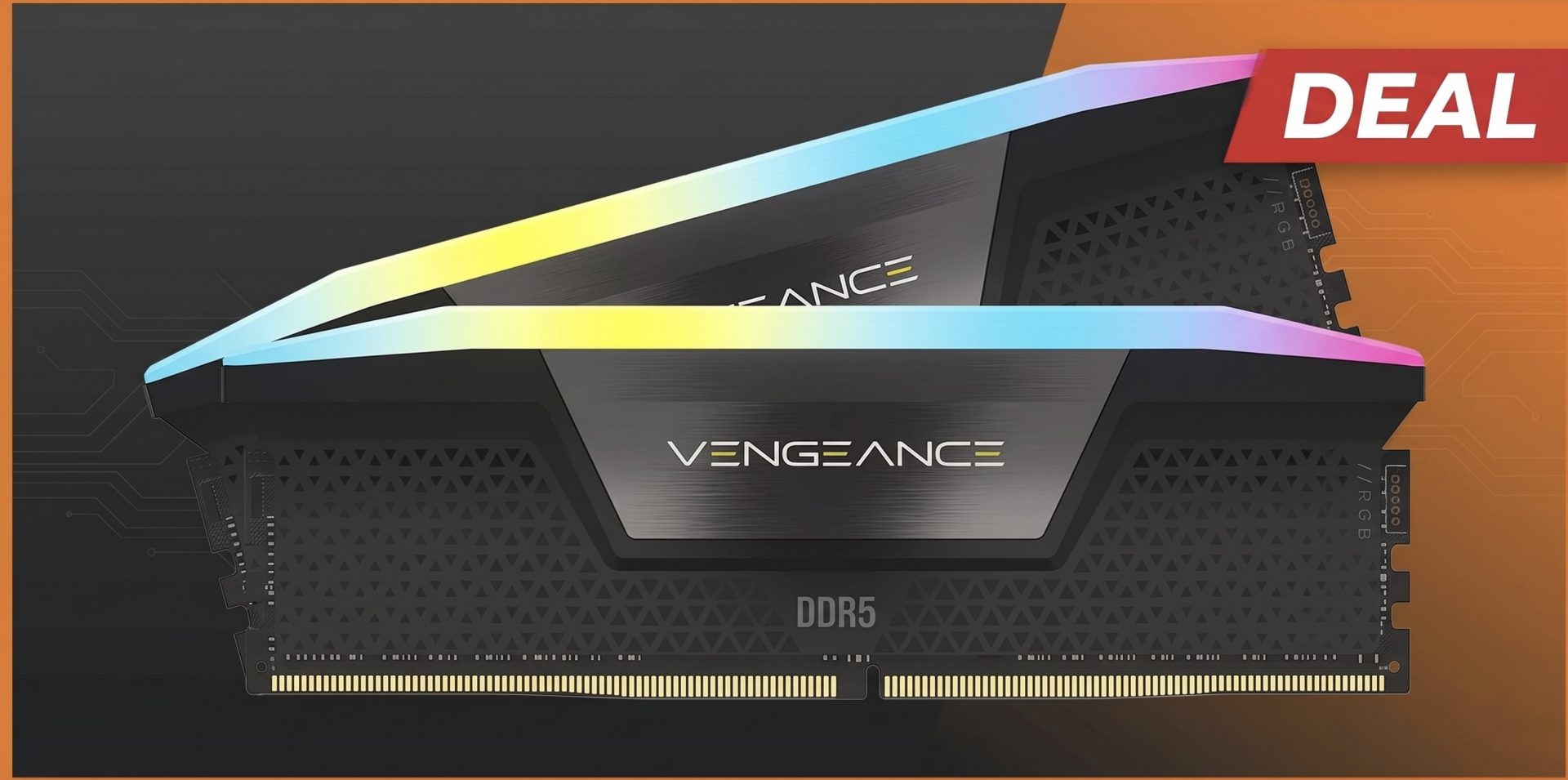
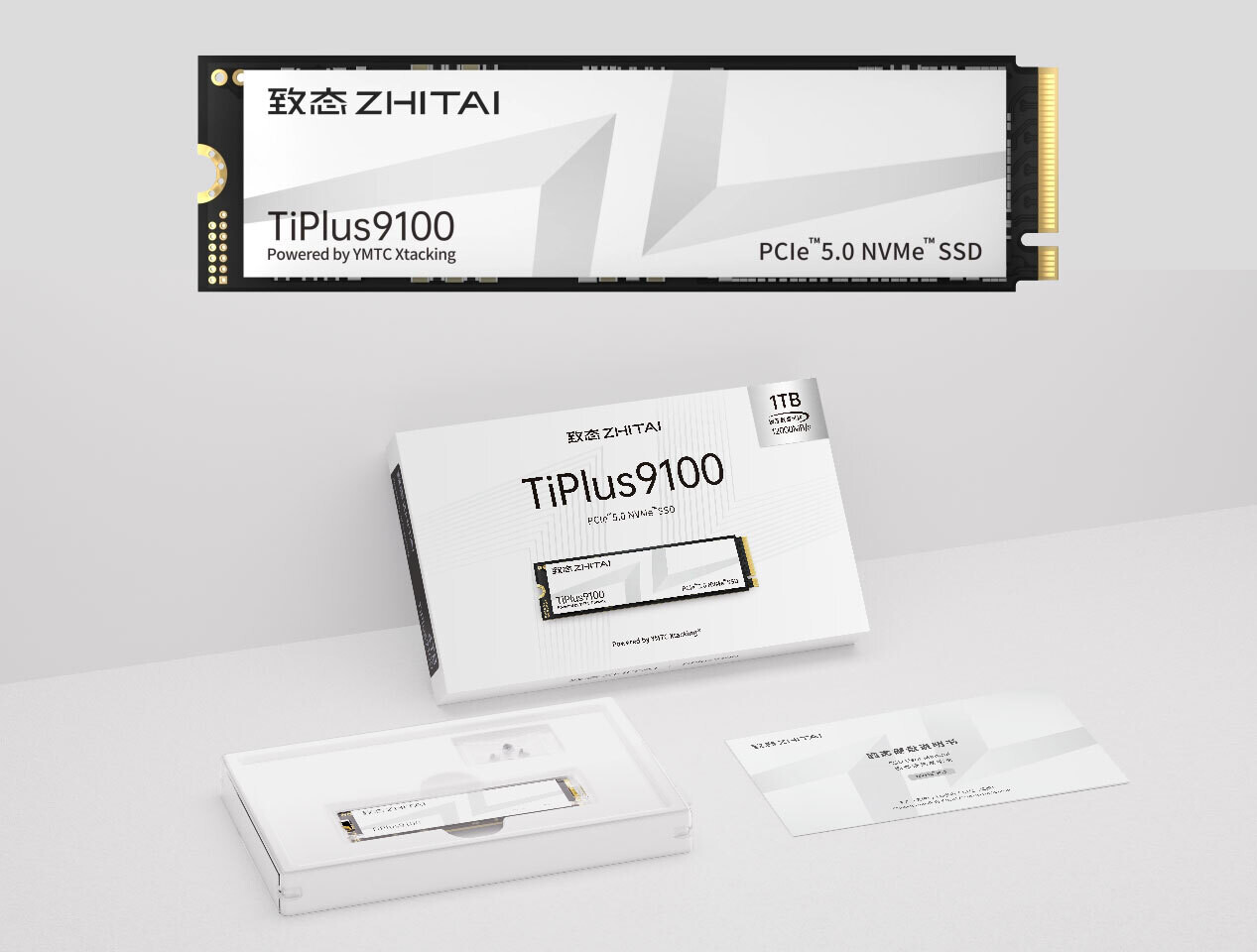
One notable aspect of the Core Ultra Series 4 is its support for advanced memory configurations. These processors are expected to work seamlessly with DDR5 and LPDDR5X memory modules, providing flexibility for both desktop and mobile platforms. Additionally, the integration of PCIe 5.0 support hints at future-proofing, allowing users to leverage next-generation storage and connectivity options without immediate system upgrades.

Compatibility Considerations and Practical Implications
While the performance specifications are impressive, the practical implications for PC builders cannot be overlooked. The larger die size of these processors may pose challenges in terms of socket compatibility with existing motherboards, particularly those designed for previous generations of Intel CPUs. Builders will need to carefully evaluate their motherboard choices to ensure full support for the new Nova Lake chips, especially those targeting higher core counts.
The range of TDP values also introduces a layer of complexity for thermal management. A 35W CPU may fit comfortably in a compact or ultrabook system, while a 175W model will require robust cooling solutions to maintain performance under load. This diversity in power requirements means that the Core Ultra Series 4 is not a one-size-fits-all solution but rather a series of carefully tuned options for different market segments.
For users looking to push the boundaries of what a desktop CPU can achieve, the Core Ultra Series 4 offers compelling features. The ability to handle high core counts and advanced memory configurations positions these processors as strong contenders in the competitive landscape of modern computing. However, builders must weigh the benefits against potential compatibility risks, ensuring that their system is future-proof without unnecessary overhead.
The generational leap represented by Nova Lake underscores Intel's commitment to innovation, even as it navigates a rapidly evolving market. For those willing to adapt, these processors promise significant advancements in performance and efficiency, making them a noteworthy addition to the desktop ecosystem. The real test will be how well these innovations translate into tangible improvements for end users, particularly in workloads that demand both speed and scalability.