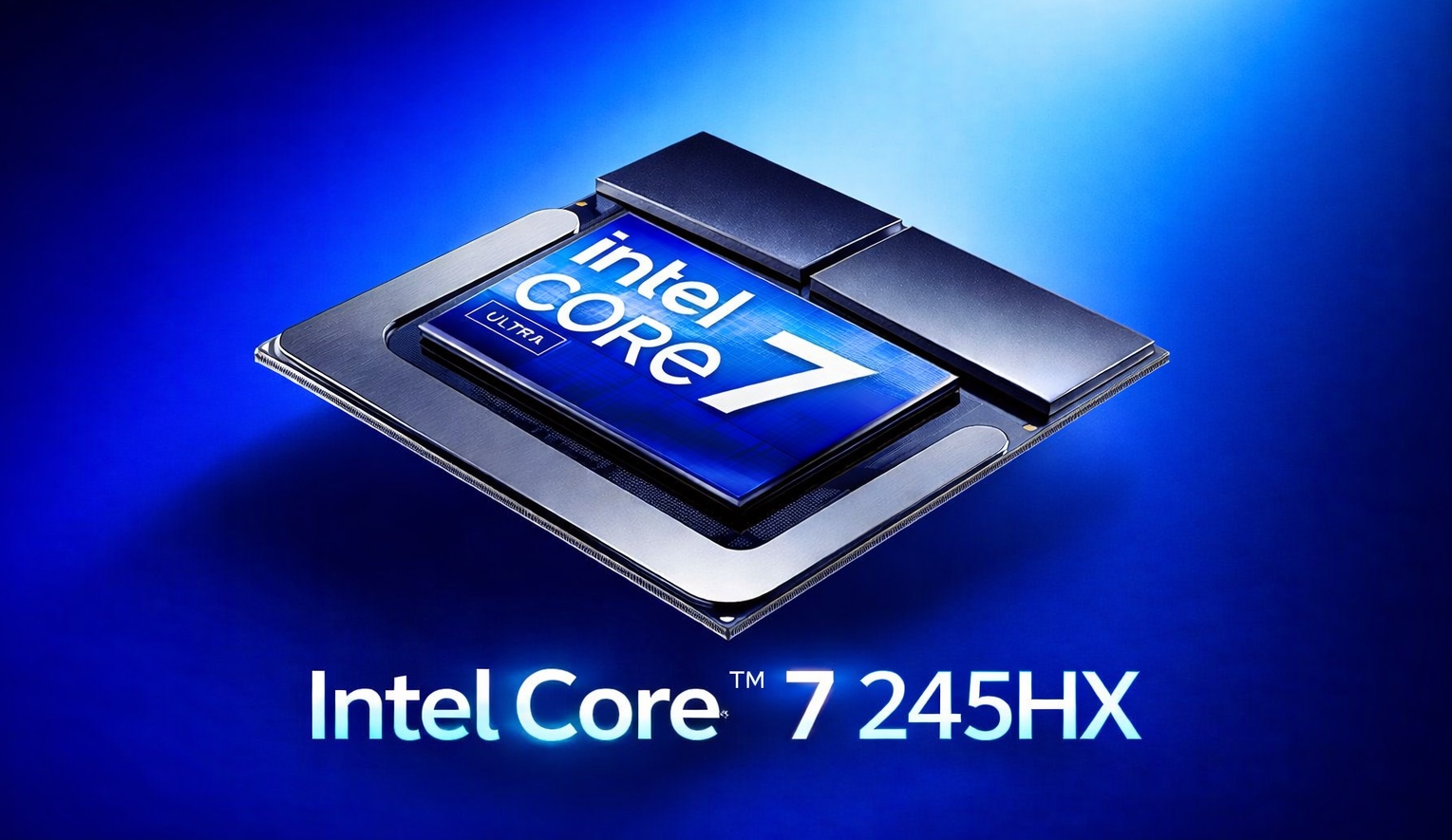
Intel’s graphics card ambitions have long been shrouded in rumor, but a recent discovery in a driver package for its Core Ultra Series 3 chip suggests the company may yet deliver on its promises—despite the product’s conspicuous absence at CES. The find, buried within firmware files meant for Panther Lake laptops, points to the existence of what Intel has previously referred to as the G31 GPU, a card that has been teasingly mentioned in leaks and driver snapshots for over a year without ever making an official appearance.
If the G31 is real, its delayed debut raises questions about Intel’s priorities. The Core Ultra Series 3 chip, built on the company’s advanced 18A process node, represents a significant leap forward in CPU performance and efficiency. It’s possible that Intel wanted to avoid overshadowing this launch with speculation about a GPU—one that, if it materializes, could position itself as a mid-range powerhouse capable of challenging Nvidia’s RTX 5060 Ti or even the more premium RTX 4070 and RTX 5070 models.
The G31’s potential performance has been a subject of intense curiosity among gamers and industry analysts alike. Early estimates, though far from definitive, suggest it could deliver anywhere between the capabilities of an RTX 5060 Ti and the upper echelon of Nvidia’s current lineup. If Intel can match or surpass those expectations—particularly with 16 GB of dedicated graphics memory—a card priced competitively could disrupt a market segment that has long been dominated by a handful of models from two manufacturers.

Yet, the absence of any concrete details or official announcements leaves room for doubt. The ongoing memory price crisis, which has plagued both consumers and hardware manufacturers, could be another factor delaying the GPU’s release. Alternatively, Intel may still be refining its driver stack, a process that has historically been a bottleneck for the company’s previous Arc GPUs. While the B580, for instance, launched with significant driver issues that have since been mitigated, it remains unclear whether the G31 will face similar challenges or if Intel has learned from past mistakes.
For now, the G31 remains a tantalizing possibility rather than a certainty. The fact that it continues to surface in driver packages and leaks—despite no official word from Intel—suggests that some form of development is still underway. Whether this translates into an actual product launch, however, depends on a number of factors beyond just technical readiness. Market demand, competitive pressures, and Intel’s internal roadmap will all play a role in determining whether the G31 ever sees the light of day.
What is certain is that the GPU market could benefit from added competition. Nvidia’s dominance in the mid-range segment has left little room for alternatives, and AMD’s offerings, while improving, have yet to fully close the gap. If Intel can deliver a card that meets its rumored performance targets without repeating the driver struggles of its predecessors, it would mark a significant milestone—not just for the company, but for gamers hoping for more choices in a segment that has long been starved for innovation.