AMD's next-generation mobile processor line is taking shape with new evidence of a low-power variant in testing, signaling a potential expansion into ultra-portable devices. Shipping logs have surfaced showing the first silicon stepping of what appears to be a 28W TDP Medusa CPU, reinforcing earlier reports about a dual-track strategy for high and low thermal design power variants.
This development suggests AMD is preparing a more efficient path for its Zen 6 architecture, likely targeting devices where power consumption is critical. The 28W variant, codenamed 'Medusa 1 A0,' is still in validation phases but hints at a broader lineup that could compete with budget-conscious alternatives like Intel's Nova Lake processors.
The Medusa family will reportedly include both high and low TDP versions, with the former reaching up to 45W while the latter stays at 28W. This dual approach mirrors past strategies seen in AMD's Krackan Point lineup but is now built on a more advanced monolithic chip design, allowing for greater flexibility in core configurations.
Performance-wise, the low TDP variant is expected to feature a balanced mix of cores—4 high-performance 'Classic' cores, 4 efficiency-focused 'Dense' cores, and 2 low-power cores. This setup positions it as a mid-range option, likely targeting Ryzen 5 and 7 series SKUs rather than the higher-end Ryzen 9 models.

One notable aspect is the continued use of RDNA 3.5 for integrated graphics, indicating no major architectural leap in this space until at least next year. Meanwhile, discrete GPUs based on the upcoming UDNA or RDNA 5 architecture are not expected before 2027, leaving RDNA 3.5 as the sole option for Zen 6 mobile chips.
The FP10 socket remains a key differentiator, ensuring compatibility with existing platforms while allowing room for future upgrades. This suggests AMD is maintaining its commitment to long-term platform support, similar to what was seen with previous generations like Venice and Arrow Lake.
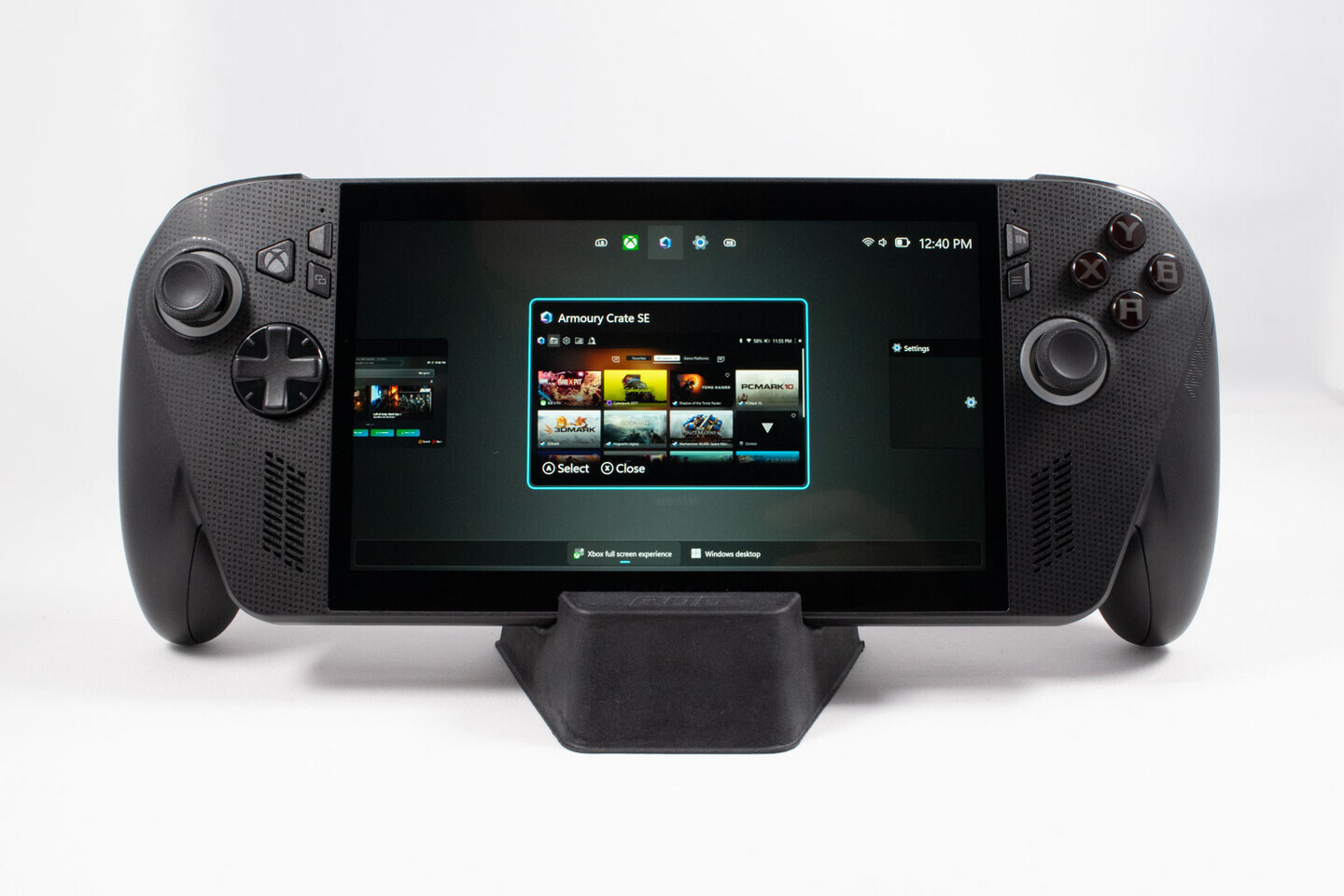
While the full picture of Medusa Point's capabilities is still unclear, the emergence of this low TDP variant adds another layer to AMD's mobile strategy. It could signal a push into more power-sensitive markets, such as ultra-thin laptops or handheld devices, where efficiency without significant performance compromise is paramount.
Looking ahead, these chips may also play a role in CES 2026 announcements, where AMD is expected to showcase its next-gen AI advancements. The combination of low-power Zen 6 cores and RDNA 3.5 graphics could position Medusa as a strong contender in the mid-range mobile segment.