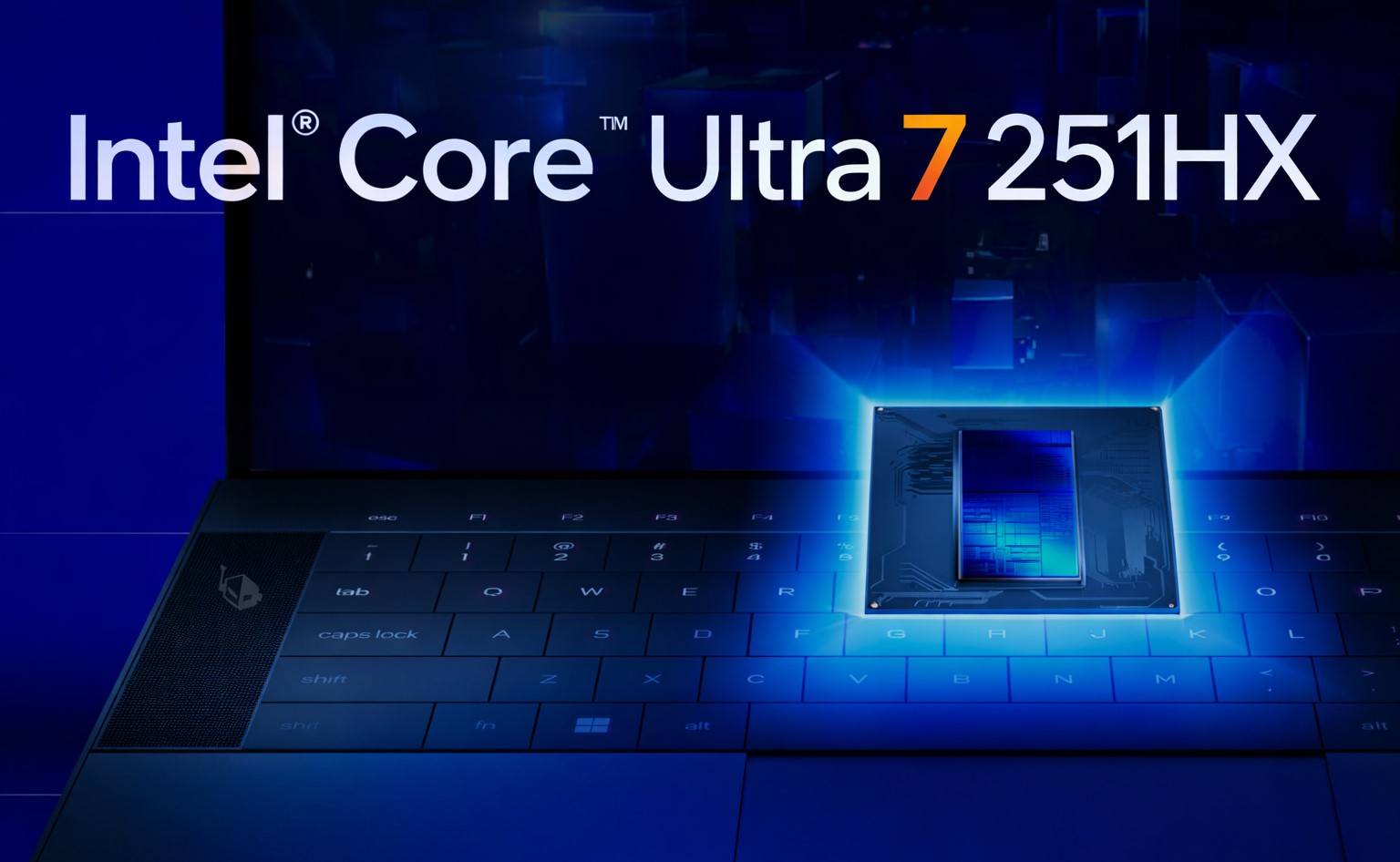
Intel’s Core Ultra 7 251HX is dismantling the assumption that more cores always mean better AI performance. While its 20-core brother still dominates multi-threaded workloads, the 251HX flips the script by excelling in single-thread tasks—where AI inference and data processing often live. Benchmarks reveal a chip that can run hotter workloads cooler, offering a glimpse of how future systems might prioritize efficiency over raw core count.
Raptor Cove’s Precision Edge
The 251HX doesn’t just follow Intel’s multi-core trend; it inverts it. With 9 performance cores and 9 efficiency cores (18 total), it achieves turbo clocks up to 5.0 GHz while capping power draw at 35W—a figure that could make it a favorite for edge AI devices or cloud-optimized servers. The architecture suggests a future where thermal constraints no longer dictate performance ceilings.
- 18 cores (9 P-cores + 9 E-cores), 24 threads
- Base clock: 1.6 GHz, Turbo: Up to 5.0 GHz
- TDP: 35W (adjustable)
- Cache: 24 MB L2 + 32 MB L3
- Process node: Intel 7 (10nm enhanced)
The tradeoff is clear in multi-threaded benchmarks, where the 20-core variant still leads. But for AI workloads, where single-thread performance dictates speed, the 251HX emerges as a standout—delivering up to 15% gains in key inference tasks while keeping power consumption in check.
Benchmarking the Efficiency Revolution
PassMark data underscores the shift: the 251HX leads single-core benchmarks by a significant margin, outperforming its sibling in scenarios where latency matters most. This isn’t just about raw numbers; it’s about redefining how systems balance power and performance—especially in AI, where efficiency is becoming as critical as speed.
What Comes Next for AI-Chips?
The 251HX hints at a broader trend: chips that do more with less. For developers, this could mean faster inference without the thermal overhead, while system designers gain flexibility in power-constrained environments. Whether it becomes a cornerstone of future AI hardware remains to be seen, but its benchmarks suggest efficiency is no longer an afterthought.
Where It Fits
Intel’s roadmap points to mid-range systems where power and performance must coexist—likely laptops, edge servers, or cloud-optimized infrastructure. Pricing details are still under wraps, but the 251HX’s potential is already sparking debates about how AI workloads will evolve. One thing is certain: the days of more cores always meaning better performance may be numbered.