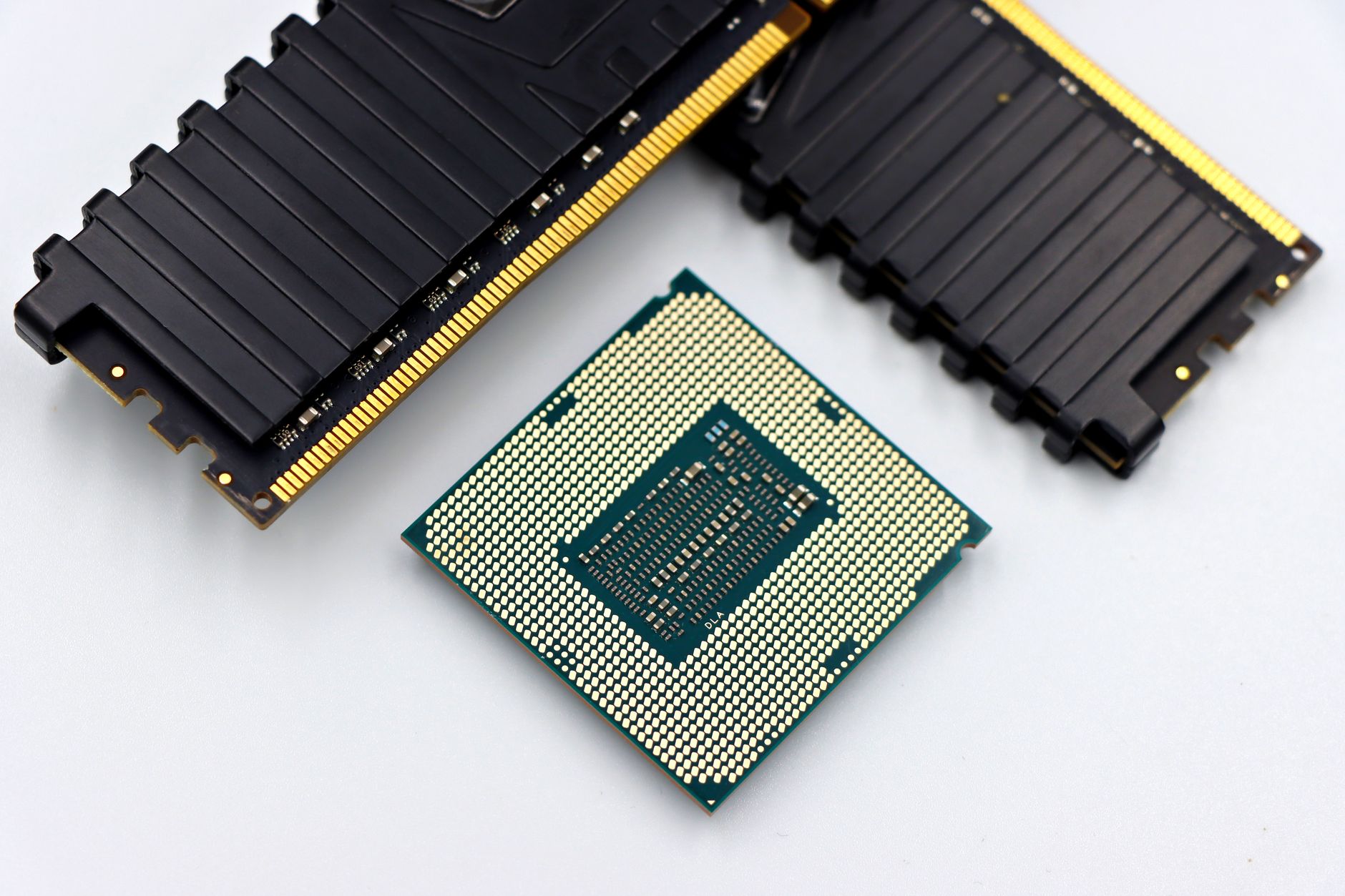
Microsoft’s Xbox Series S and Series X consoles, once hailed for their performance-to-price ratio, are now caught in a financial squeeze that could erode their resale value significantly. The root cause? A dramatic increase in memory chip prices that has left console manufacturers scrambling—and consumers questioning whether their purchase remains viable.
Industry reports suggest GDDR6, the high-speed RAM used in both consoles, has seen costs rise sharply since launch. While Microsoft does not disclose exact figures, estimates indicate a 30% increase over the past year alone. For the Series S, priced at $299 with 10GB of shared GDDR6, and the Series X, priced at $499 with 16GB, this translates to a potential loss of hundreds when resale values are considered.
This isn’t just about sticker price. The Series S, positioned as an affordable entry into next-gen gaming, now faces competition from other low-cost consoles that may offer better value in today’s inflationary market. Meanwhile, the Series X, with its more powerful specs—including a custom AMD RDNA 2 GPU and 1TB NVMe SSD—is also feeling the pinch. The combination of rising component costs and stagnant resale prices is creating a gap between what buyers paid at launch and what they can recoup today.

- Xbox Series S: 10GB GDDR6 RAM (shared), Custom AMD RDNA 2 GPU, 512GB NVMe SSD
- Xbox Series X: 16GB GDDR6 RAM, Custom AMD RDNA 2 GPU, 1TB NVMe SSD
The impact on resale markets is already visible. Consoles that once held steady value are now seeing accelerated depreciation rates. For gamers who bought in during the early days of the Series S and X, this could mean a harsh reality when they try to upgrade or recoup costs.
Microsoft’s response to this shift remains uncertain. While the company has historically absorbed cost fluctuations, the scale of the current memory price surge raises questions about whether further adjustments will be made—whether through hardware revisions, pricing changes, or bundled offers. For now, buyers are left navigating a market where what they paid at launch may not align with today’s resale landscape.
The broader trend suggests that console gaming is no longer immune to the economic pressures affecting other tech sectors. As memory prices remain volatile, the true cost of next-gen gaming isn’t just upfront—it’s an ongoing calculation for those who invested early. This shift could force manufacturers to rethink how they position consoles in a market where value is increasingly measured beyond just performance specs.