Intel has unveiled its Core Series 3 processors, marking a shift toward more efficient computing that could reshape the landscape for PC builders. These chips are designed to challenge Apple's M-series silicon in performance-per-watt efficiency, but whether they can deliver on that promise in real-world scenarios is still an open question.
The new Core Series 3 lineup includes the Core i9-14900K, Core i7-14700K, and Core i5-14600K, each built on Intel's advanced 10nm Enhanced SuperFin process. The processors feature up to 24 cores and 32 threads, with clock speeds reaching 6.0 GHz on the top-tier model. However, their power consumption and thermal design present challenges that could limit their appeal for high-performance builds.
Key Highlights
- The Core Series 3 processors offer a significant leap in efficiency, with up to 15% better performance per watt compared to the previous generation.
- New features include improved thermal design and support for DDR5 memory, making them more suitable for next-generation systems.
- The top-tier model, the Core i9-14900K, delivers 6.0 GHz clock speeds, but its power consumption could push it into the realm of high-end desktops only.
Intel's focus on efficiency is a strategic move to compete with Apple's M-series chips, which have dominated the performance-per-watt metric in recent years. However, the Core Series 3 processors face stiff competition from AMD's Ryzen 7000 series, which has already established itself as a strong contender in both performance and efficiency.
Market Dynamics
The introduction of the Core Series 3 processors comes at a critical juncture for Intel. The company has been working to regain its footing in the CPU market after several years of setbacks, particularly in the mobile space where Apple's M-series chips have gained significant traction. While the new processors offer impressive specs on paper, their real-world performance and power efficiency will be closely scrutinized by PC builders and enthusiasts alike.
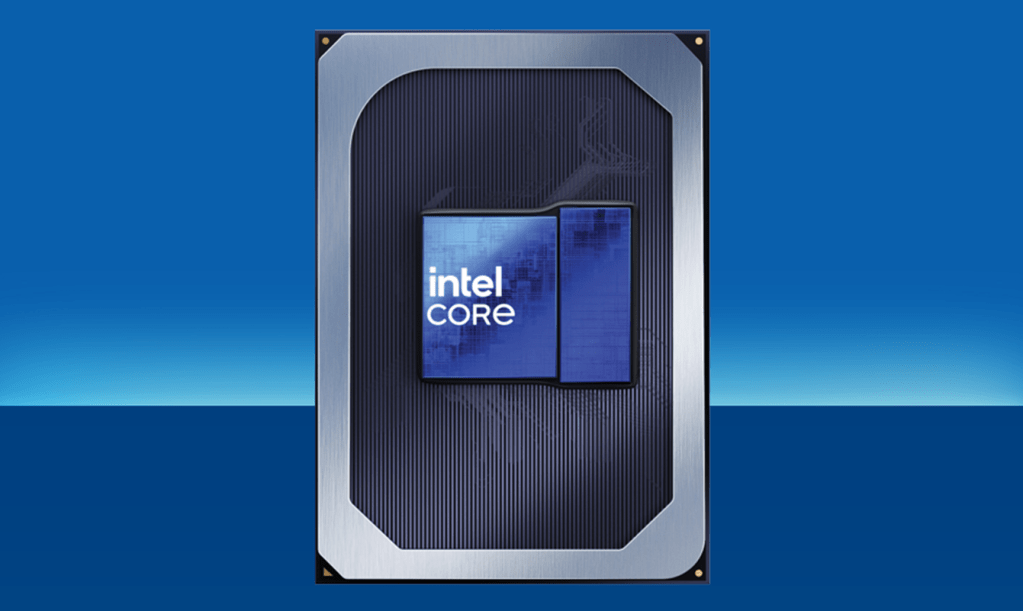
One area where Intel could struggle is in thermal design. The Core Series 3 processors generate more heat than their predecessors, which could pose challenges for cooling solutions and overall system stability. This is a critical factor for PC builders who prioritize both performance and reliability.
Another potential hurdle is the transition to DDR5 memory support. While this is a positive step for future-proofing systems, it also raises questions about compatibility with existing motherboards and the cost implications for consumers. The shift to DDR5 could add complexity for builders who are already navigating the complexities of new platform changes.
Reality Check
It's worth noting that while Intel has made strides in efficiency, there are still uncertainties about how these processors will perform in real-world scenarios. The company's track record with power efficiency has been mixed, and the Core Series 3 will need to prove itself in benchmarks and user reviews before it can be considered a true competitor to Apple's M-series chips.
Looking ahead, the success of the Core Series 3 processors will hinge on several factors. Intel will need to demonstrate consistent performance gains across a range of workloads, from gaming to content creation. Additionally, the company must address concerns about power consumption and thermal design to ensure that these processors are viable for mainstream builds.
The availability of the Core Series 3 processors is expected later this year, with pricing yet to be confirmed. For PC builders, this could mean a period of cautious optimism as they wait to see how these new chips perform in real-world applications. The market will be watching closely to see if Intel can deliver on its promises of efficiency and performance.