Intel’s Q4 2025 earnings report exposed a stark reality: the company’s bet on consumer markets left its most lucrative customers—hyperscalers and AI-driven data centers—without enough chips. While the tech world buzzed over wafer shortages, Intel’s leadership admitted a deeper issue: a deliberate pivot toward consumer products that now threatens its data center ambitions. The result? Missed opportunities, strained supply chains, and a scramble to reallocate production before AI demand outpaces even its revised plans.
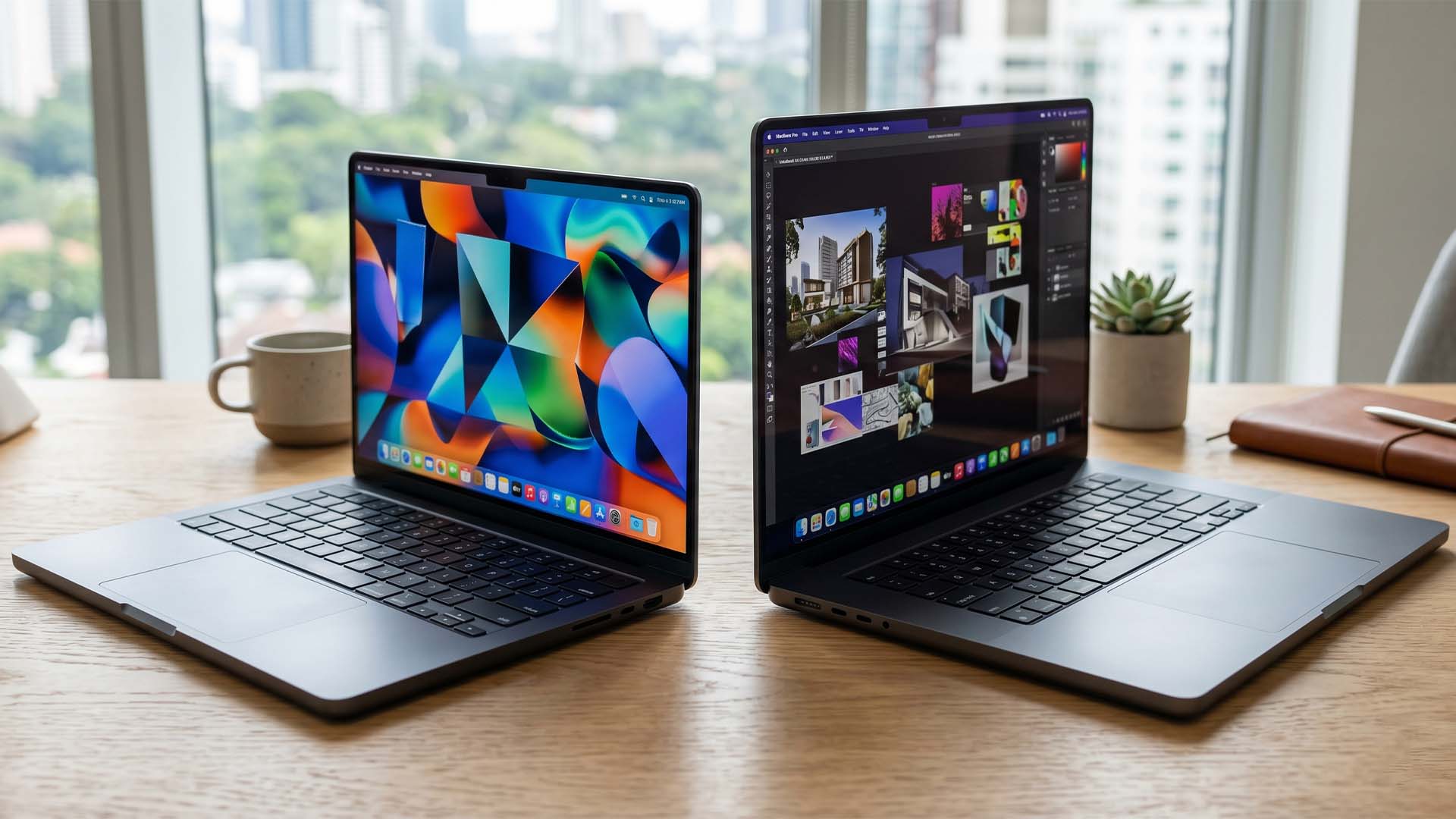
The irony is sharp. Just months ago, Intel positioned itself as the underdog in AI infrastructure, racing to catch up with AMD and NVIDIA. But by overcommitting to high-end consumer chips—like those powering laptops and ultrabooks—it ceded ground to competitors in the data center space, where margins and long-term contracts matter most.
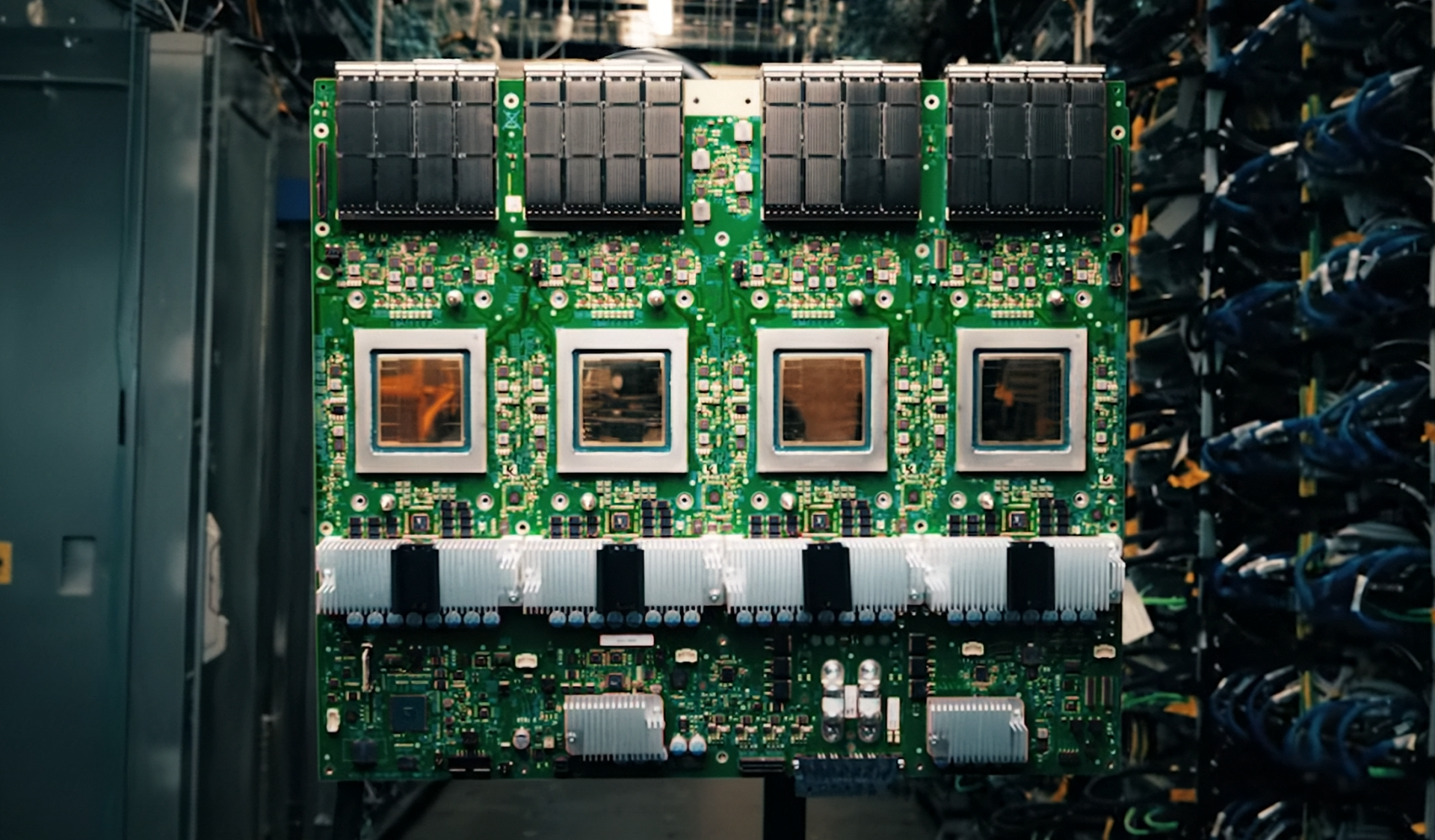
The financial toll is already visible. Intel’s data center segment, a cornerstone of its revenue, faces limited growth in 2026 due to supply constraints. The company’s CFO, David Zinsner, acknowledged the misstep: demand from hyperscalers was underestimated, and production lines—once balanced between client and server chips—are now skewed toward consumer products. Worse, internal and external foundry dependencies for server CPUs have created bottlenecks, leaving Intel unable to fulfill commitments even as competitors ramp up AI-ready hardware.
Shareholders and analysts are watching closely. The question isn’t just whether Intel can meet data center demand—it’s whether the company can do so without abandoning the PC market entirely. Early signs suggest a painful compromise: mid- and high-end consumer chips will take priority, while low-end models are being deprioritized to free up capacity for data centers. The message to PC manufacturers? Expect supply shortages to persist into the second quarter, with no clear timeline for full recovery.
At the heart of the problem lies Intel’s manufacturing execution. CEO Lip-Bu Tan admitted in recent remarks that yield issues and production delays—particularly for its Panther Lake lineup—have drained inventory meant for consumer demand. The Panther Lake chips, designed for both high-performance laptops and data center workloads, now face a Catch-22: their production ramp-up has consumed capital and wafer space that could have been allocated to server-grade CPUs.

Key specs behind the shortage:Panther Lake (Consumer Focus): 30W TDP for high-end laptops, 15W for ultrabooks—targeting gamers and productivity users.Data Center Constraints: Server CPUs rely on a mix of internal and external foundry wafers, creating dependencies that Intel now struggles to fulfill.Supply Reallocation: Intel is shifting excess client-segment capacity to data centers, but low-end PC chips are being deprioritized.Performance Tradeoffs: The 30W Panther Lake chips deliver competitive single-thread performance but require careful thermal management in thin-and-light devices.Pricing Impact: Samsung recently raised the price of its Panther Lake-equipped Galaxy Book 6 Pro by nearly $477 over the previous generation—a sign of supply-driven inflation.
For PC buyers, the implications are clear: high-end laptops may remain in short supply, while data center customers—especially those deploying AI workloads—could see delayed shipments. The tradeoff is deliberate. Intel’s strategy now hinges on protecting its data center revenue stream, even if it means rationing supply to consumer markets.
The path forward is fraught with challenges. Intel’s CFO has signaled improvements in supply by the second quarter, but the damage to its reputation as a reliable data center partner is already done. Competitors like AMD, which has aggressively courted hyperscalers with its EPYC CPUs, are poised to benefit from Intel’s stumbles. Meanwhile, NVIDIA’s dominance in AI accelerators ensures that even if Intel secures more data center contracts, it may lack the software ecosystem to compete.
For now, Intel’s focus is on damage control: reallocating production lines, securing additional foundry partnerships, and convincing shareholders that its long-term strategy—balancing client and data center growth—is sustainable. But the first quarter’s struggles suggest this won’t be an easy sell. The company’s ability to execute on its pivot will determine whether it can reclaim its footing in the AI era—or whether it risks becoming a spectator in the next wave of computing.