Intel’s push into mobile chip manufacturing is gaining a new layer of intrigue. A recent rumor suggests the company may have secured MediaTek as a key customer for its upcoming 14A process, a move that could signal broader adoption of Intel’s bleeding-edge fabrication technology in smartphones. While confirmation is still lacking, the speculation highlights both opportunity and obstacles for Intel as it competes with TSMC and Samsung in the mobile foundry space.
The idea that MediaTek—known for its Dimensity series of mobile SoCs—would shift production to Intel’s 14A node is striking. The process, built on Intel’s proprietary Backside Power Delivery Network (BSPD), promises performance gains by routing power through thicker metal paths on the chip’s backside, reducing voltage drop and enabling higher clock speeds. Early benchmarks of Intel’s Core Ultra 5 250K chip, for instance, show cores hitting 5.3 GHz, a testament to the node’s potential. Yet, the approach isn’t without tradeoffs.
Performance vs. Practicality: The BSPD Dilemma
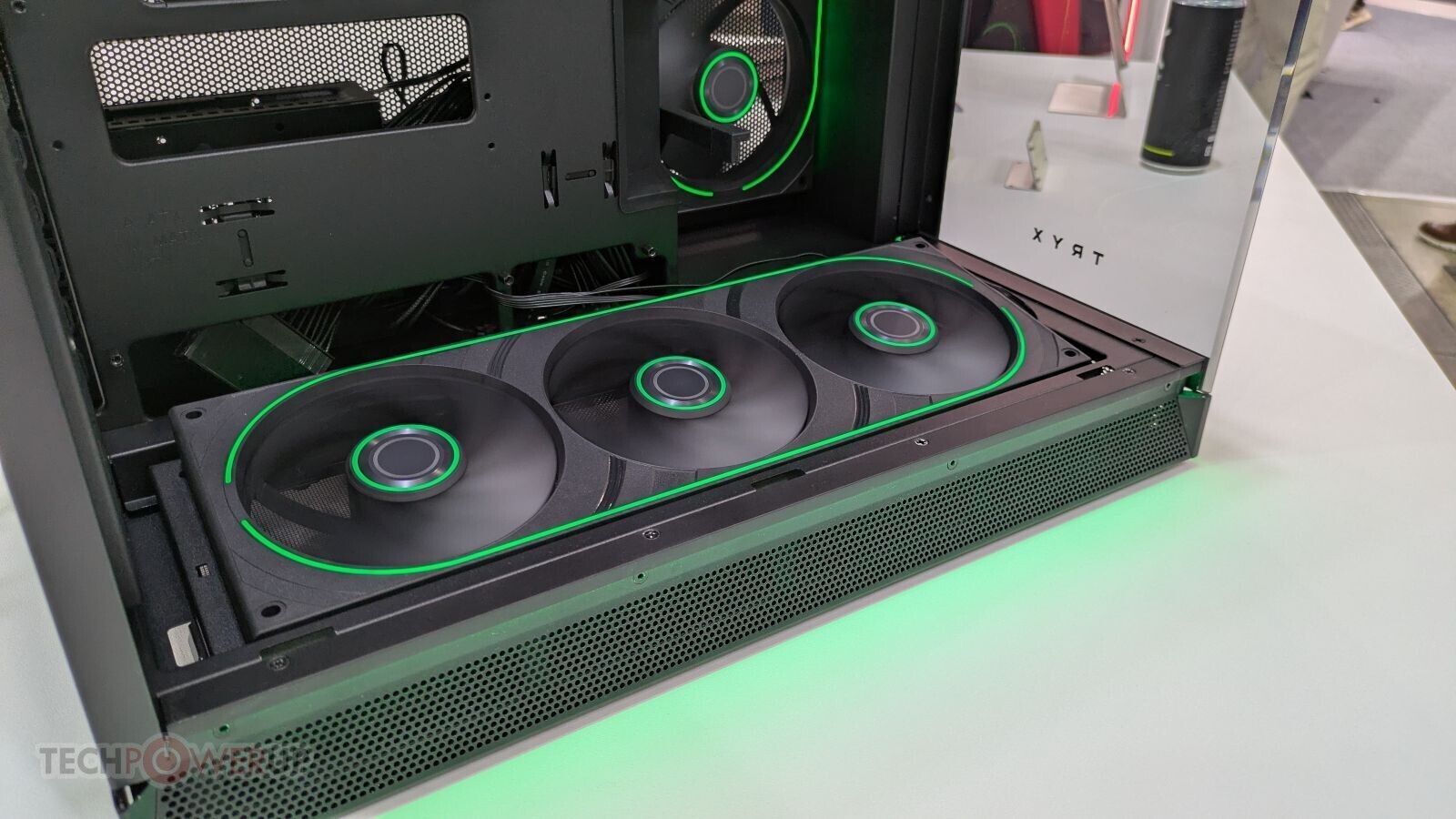
BSPD delivers marginal performance improvements—enough to justify its use in high-end chips like Intel’s own—but it introduces complications. The method exacerbates the Self-Heating Effect (SHE), forcing designers to invest in advanced cooling solutions or accept thermal limitations. For MediaTek, which prioritizes efficiency in power-constrained mobile devices, this could be a dealbreaker unless Intel mitigates the issue through innovative packaging or thermal management.
Even if MediaTek were to adopt 14A, the transition wouldn’t be seamless. The company’s existing Dimensity chips are optimized for TSMC’s mature 4nm and 5nm processes, where power efficiency and cost-effectiveness are paramount. Shifting to Intel’s 14A—a node still in its infancy for external customers—would require significant redesigns, potentially delaying product releases.
Who Stands to Gain?
For MediaTek: A partnership with Intel could diversify its foundry options, reducing reliance on TSMC amid geopolitical tensions. However, the risk of adopting an unproven node outweighs the benefits unless Intel demonstrates scalability and cost competitiveness.
For Intel: Landing MediaTek as a customer would validate the 14A process and attract other mobile chipmakers, including Qualcomm or Samsung Exynos. But without Apple’s confirmed commitment to Intel’s 18A-P node for future iPhones, the company’s mobile ambitions remain speculative.
For smartphone makers: If MediaTek succeeds in transitioning to 14A, devices could see incremental performance gains—particularly in AI acceleration and sustained high-frequency workloads. Yet, the lack of immediate competition from TSMC or Samsung suggests this remains a niche play for now.
The Bigger Picture: A Test of Intel’s Mobile Ambitions
Intel’s foray into mobile chip manufacturing is a high-stakes gamble. The company has already faced setbacks, including delays in securing major clients for its 18A and 14A nodes. MediaTek’s potential interest, if realized, would mark a critical milestone—but the technical hurdles of BSPD and the uncertainty around Apple’s long-term plans for Intel’s processes cast doubt on whether this rumor will materialize.
Until official announcements emerge, skepticism is warranted. The mobile chip market is a tight-knit ecosystem where trust, proven performance, and cost efficiency dictate partnerships. For Intel, proving it can deliver on both fronts will determine whether this rumor becomes reality—or just another footnote in its evolving foundry strategy.