The PC gaming landscape has quietly shifted. For the first time in months, Intel’s CPU market share on Steam has grown, breaking a streak of steady declines that began last summer. January’s survey shows Intel now holds 56.64% of Steam users’ CPUs—a 0.25% uptick from December—while AMD’s share dipped slightly to 43.34%. The reversal marks a rare moment of stability in a battle where AMD had been gaining ground rapidly.
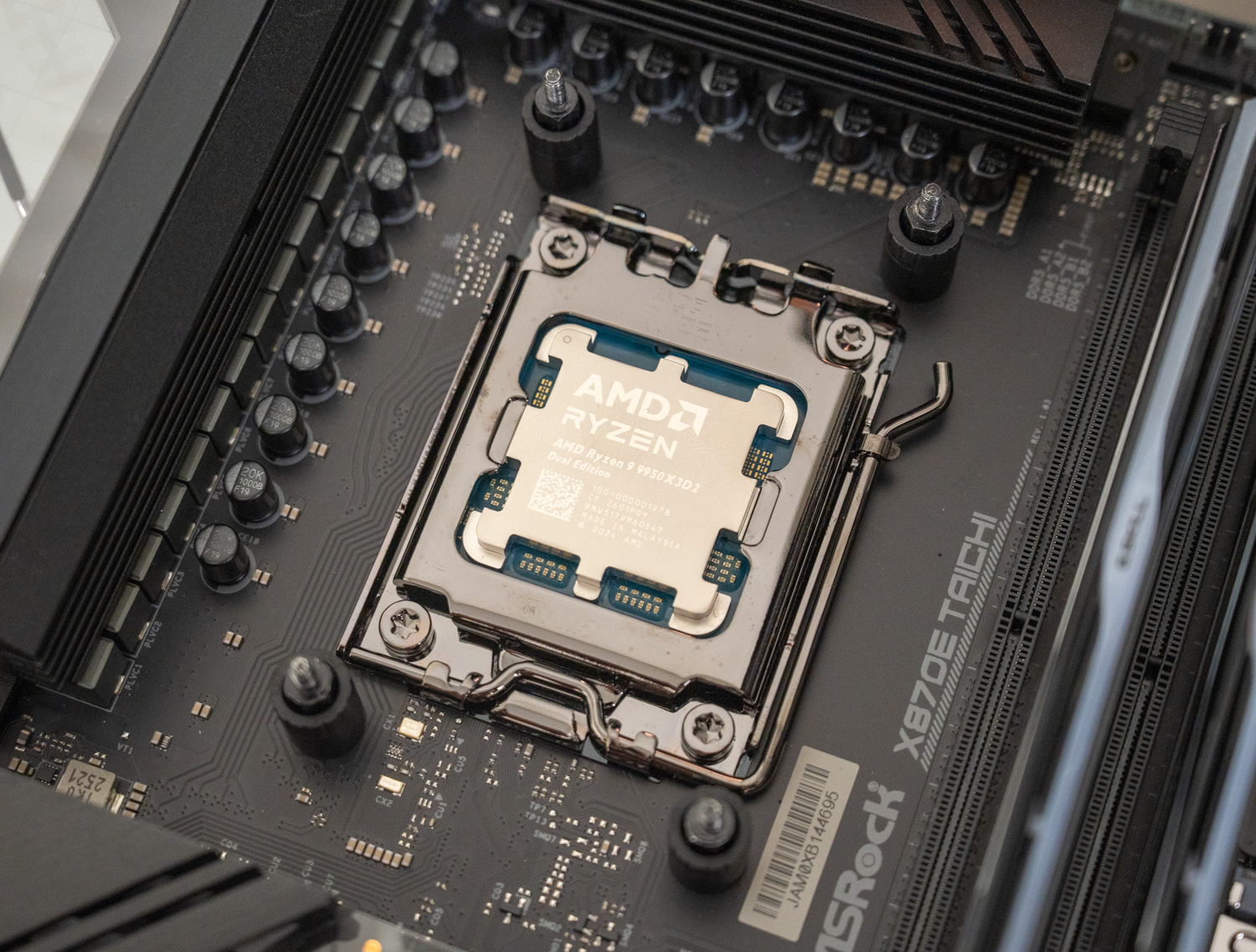
AMD’s ascent was fueled by the Ryzen 9000X3D, a chip designed specifically for gaming workloads with its massive 192MB L3 cache and optimized 3D V-Cache architecture. The series delivered a performance leap that resonated with enthusiasts, pushing AMD’s share from 41.31% in September to nearly 44% by the end of 2025. But January’s slight dip suggests even high-performing chips can’t sustain infinite growth without competition.
The Arrow Lake Problem
Intel’s rebound isn’t a return to dominance—yet. The company’s latest Arrow Lake platform launched with mixed reception. Early adopters noted subpar gaming performance compared to AMD’s Ryzen 9000X3D, particularly in cache-heavy titles. While firmware updates and discounts have helped close the gap, the damage was done: Intel’s share had fallen to 56.39% by December, its lowest point in over a year.

Now, Intel is betting on Arrow Lake Refresh, expected in March or April. The update promises higher out-of-the-box clock speeds and refined tuning—critical fixes for a platform that initially underdelivered. But even if the refresh restores Intel’s gaming competitiveness, the bigger question is whether it can sustain momentum beyond Steam’s core audience.
Who Wins the Long Game?
For AMD, the Ryzen 9000X3D remains a standout performer, but its 200W TDP and 3 nm I/O + 2 nm CCD process node come at a premium. The chip excels in high-end gaming rigs but may not appeal to budget builders or mainstream users. Intel, meanwhile, still holds advantages in mainstream and productivity segments, where its 13th and 14th Gen Raptor Lake chips remain competitive.
The January survey suggests a temporary pause in AMD’s advance, not a reversal. Intel’s gain is modest—a 0.25% bump—but it signals that AMD’s lead isn’t insurmountable. If Arrow Lake Refresh delivers, Intel could regain its footing. If not, the gap may widen again, leaving AMD’s Ryzen 9000X3D as the de facto choice for gamers willing to pay for performance.
One thing is certain: the CPU war isn’t over. The next few months will determine whether this is a blip or the start of a new chapter.