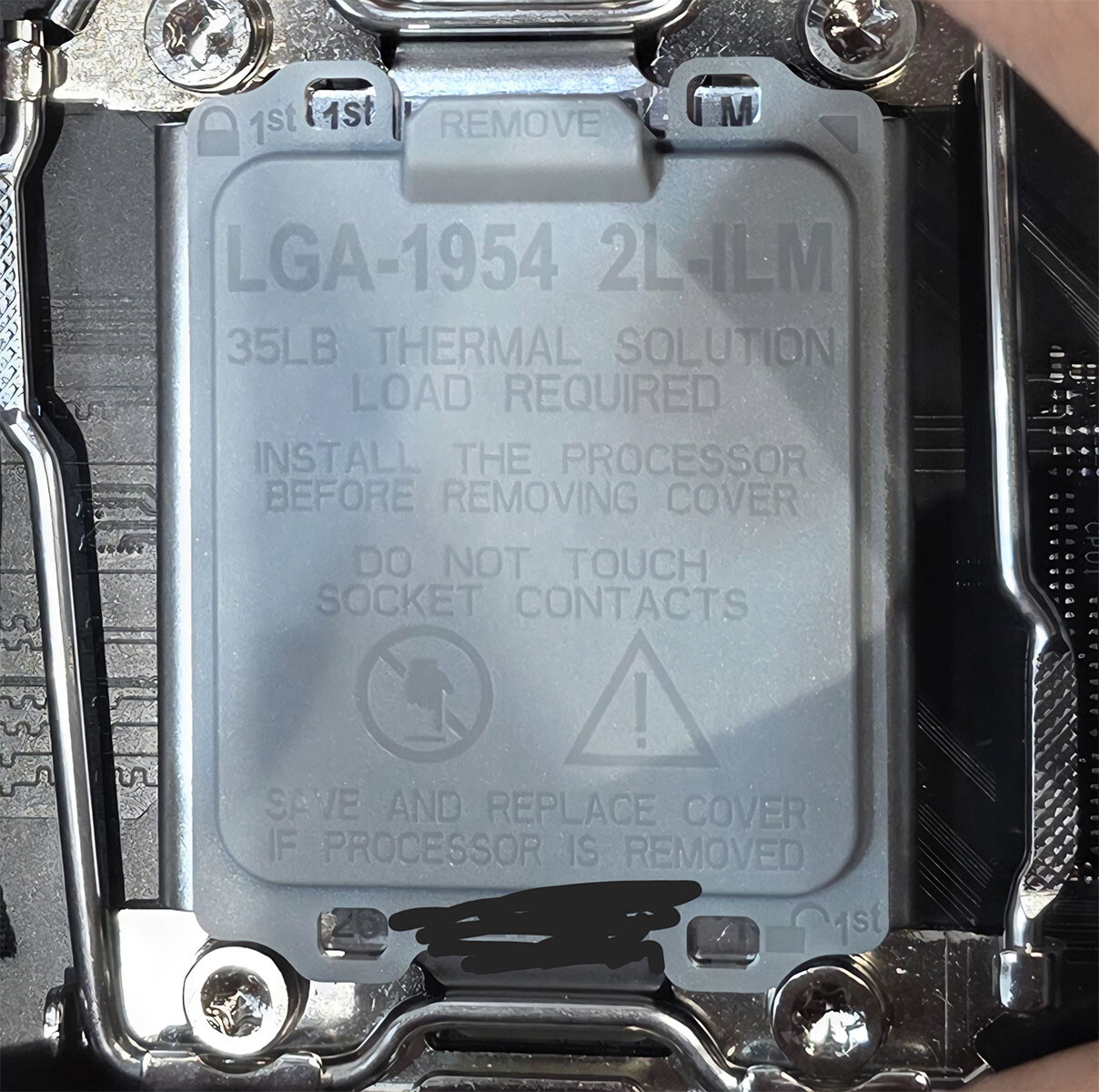
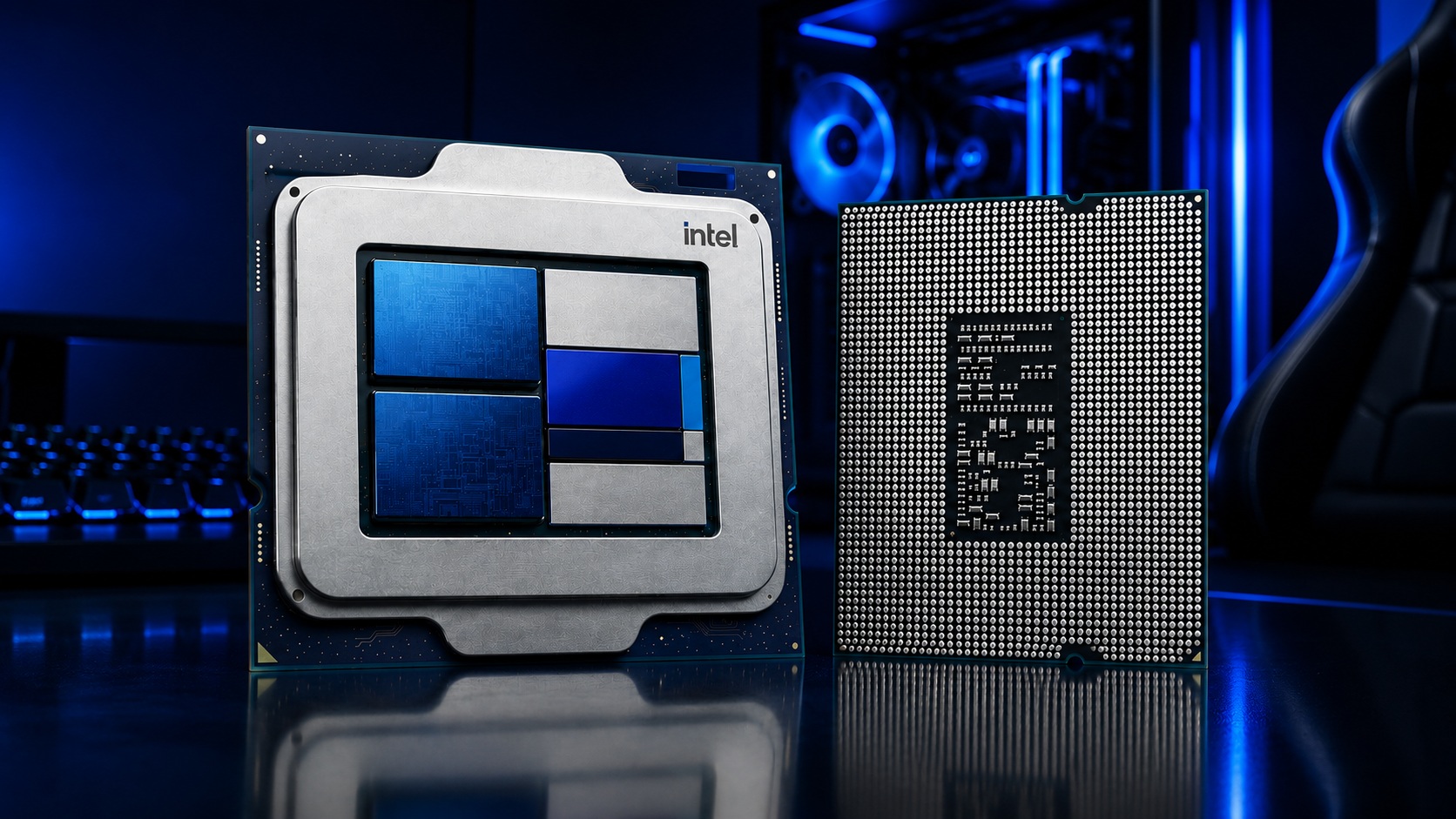
Intel’s development pipeline is often a mystery, but a recent leak offers a rare look inside one of its most intriguing projects: the Nova Lake-S CPU. This chip, destined for the LGA 1954 socket, isn’t just another incremental update—it signals a potential shift in how Intel approaches desktop performance and power efficiency.
Unlike previous generations, which focused on incremental gains, the Nova Lake-S appears to be built on a new architectural foundation. Early specifications suggest a balance of raw power and thermal efficiency that could appeal to both developers and everyday users. For those who rely on single-threaded performance—whether compiling code, rendering graphics, or running simulations—the chip might deliver noticeable improvements over current offerings.
Performance and Efficiency in Focus
- Cores/Threads: Up to 8 cores and 16 threads (exact configuration pending confirmation)
- Clock Speeds: Base clock up to 3.0 GHz, with potential for higher turbo boost frequencies
- Cache: Up to 24 MB of L3 cache, designed to reduce latency in demanding workloads
- Power Efficiency: A plated TDP of 65W, indicating a focus on sustained performance without excessive heat output
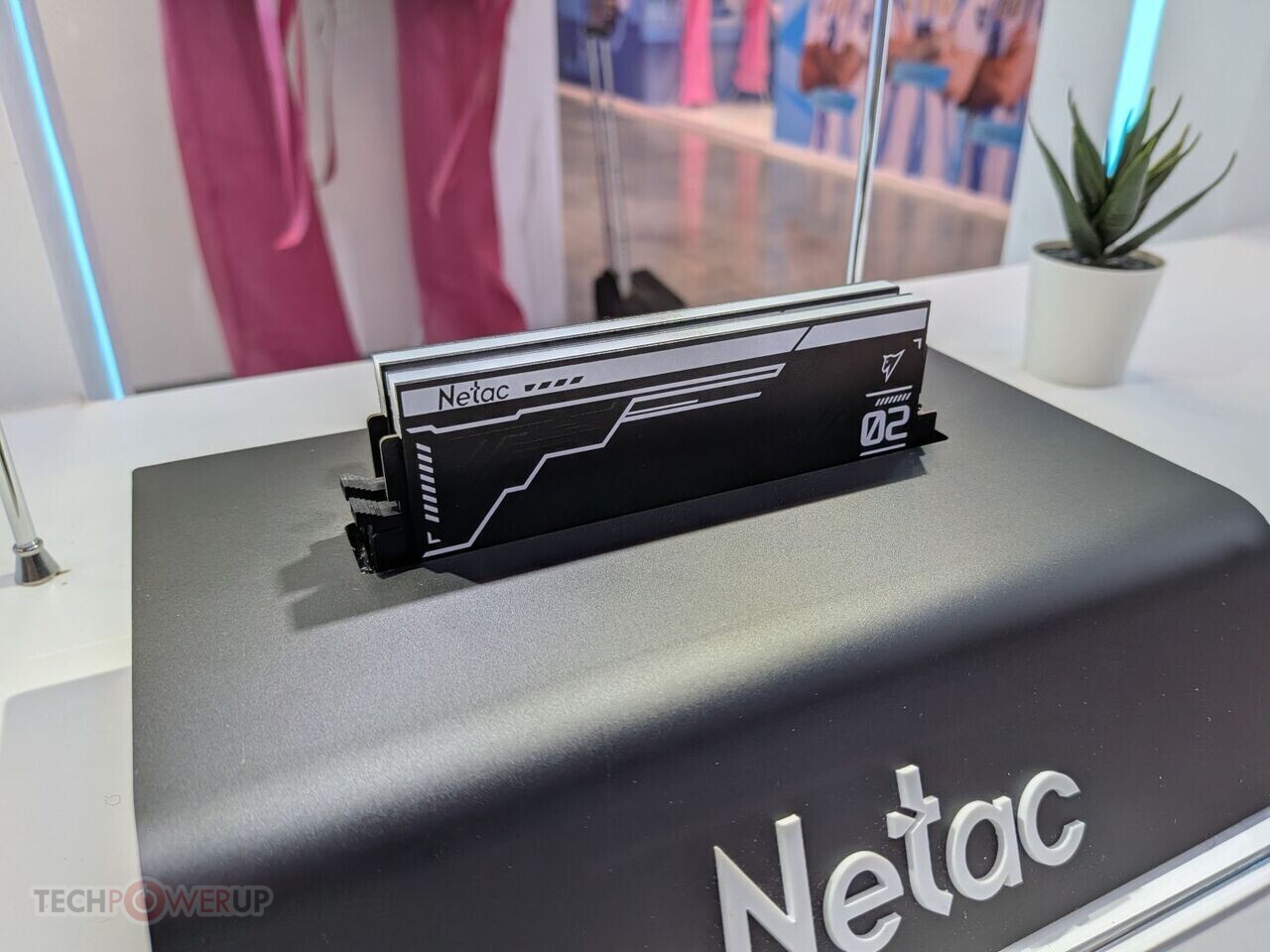
The Nova Lake-S also supports dual-channel DDR5 memory, with official backing for up to 128 GB of RAM. This could be particularly beneficial for applications that rely heavily on memory bandwidth, such as video editing or large-scale data analysis.
Who Stands to Gain?
The primary audience for this chip seems to be power users—developers, content creators, and professionals working with complex workloads. However, its efficiency improvements might also translate to better battery life in portable setups, though that will depend on the cooling solutions and motherboard support available when it launches.
One challenge is compatibility. The LGA 1954 socket is relatively new, meaning motherboards designed for it are still limited. Users looking to upgrade will need to wait for broader ecosystem support before the Nova Lake-S reaches its full potential.
A Step Forward or a Leap?
While benchmarks aren’t yet available, Intel’s track record suggests this chip could be more than just an evolutionary step. If it delivers on its promised improvements in single-threaded performance and efficiency, it might challenge the status quo for high-end desktop processors.
The tech world will be watching closely as Intel refines this product. Whether it becomes a game-changer or simply another solid entry in the lineup remains to be seen—but one thing is clear: the Nova Lake-S represents more than just a new CPU. It’s a glimpse into where Intel might be taking desktop performance next.