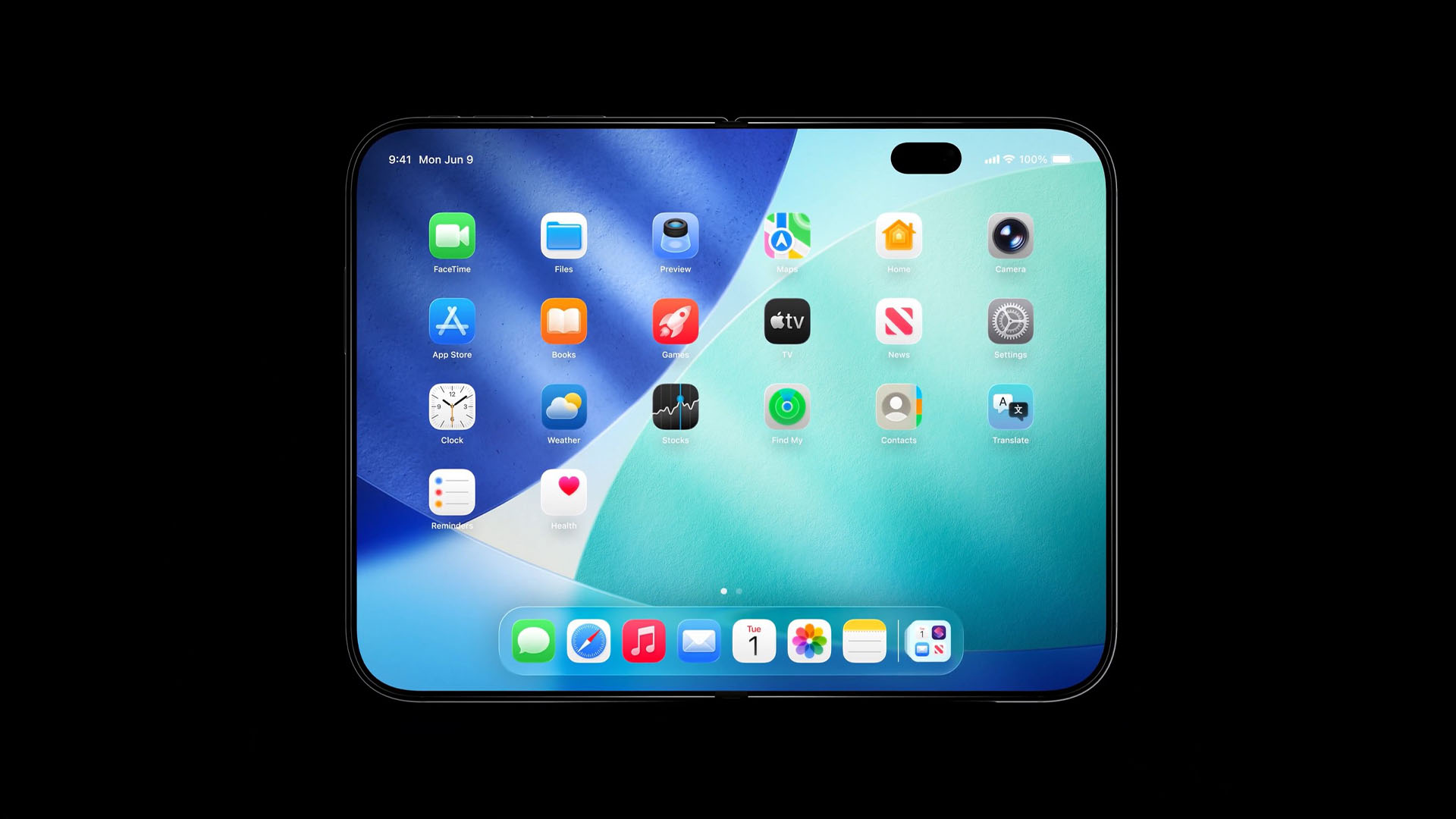
Apple's next-generation iPhone Fold will hit the market in just one configuration, according to new reports. This approach is unusual for Apple, which typically offers multiple storage options at launch. The single variant is likely aimed at controlling costs and simplifying production, especially given the device's complex foldable design.
The iPhone Fold will start at $1,299, a price point that reflects its premium positioning in Apple's lineup. It will come with 8GB of RAM, which is significant for a smartphone but may not be enough for heavy multitasking or future-proofing. The device will also feature a 7.6-inch display, likely using the same foldable OLED technology seen in other foldables on the market.
- Display: 7.6-inch foldable OLED
- RAM: 8GB (single configuration)
- Storage: Not specified (likely 128GB or higher)
- Chipset: Apple A-series (expected to be the latest model)
- Cameras: Dual rear cameras, likely including a telephoto lens
- Connectivity: 5G support with advanced antenna tuning
- Price: Starting at $1,299
The single-configuration strategy suggests Apple is prioritizing efficiency and cost control over giving users more choices. This could mean the device is built around a specific use case, such as professional productivity or media consumption, rather than broad appeal. However, the lack of higher RAM options might limit its longevity for power users.
For IT teams evaluating foldables, this approach could simplify procurement but may also raise concerns about scalability. The 8GB RAM is more than enough for most consumer tasks, but enterprise or developer workloads might struggle over time. Apple's focus on a single variant also hints at a cautious rollout, possibly testing market response before expanding options in future generations.
As for everyday users, the iPhone Fold's $1,299 price tag is steep, even for an Apple device. It will compete with other premium foldables like Samsung's Galaxy Z Fold series, but its single configuration could make it less flexible for buyers who want to customize storage or performance. The tradeoff here is simplicity versus future-proofing.
Right now, the iPhone Fold stands as a high-risk, high-reward launch for Apple. If it performs well, it could set a new benchmark for foldable smartphones. But if demand is softer than expected, this limited approach might backfire, leaving users with fewer upgrade paths down the line.