Intel's next-generation desktop platform is taking shape with the debut of its LGA1954 socket for Core Ultra 'Nova Lake' processors, promising a leap forward in performance and efficiency for enterprise workloads.
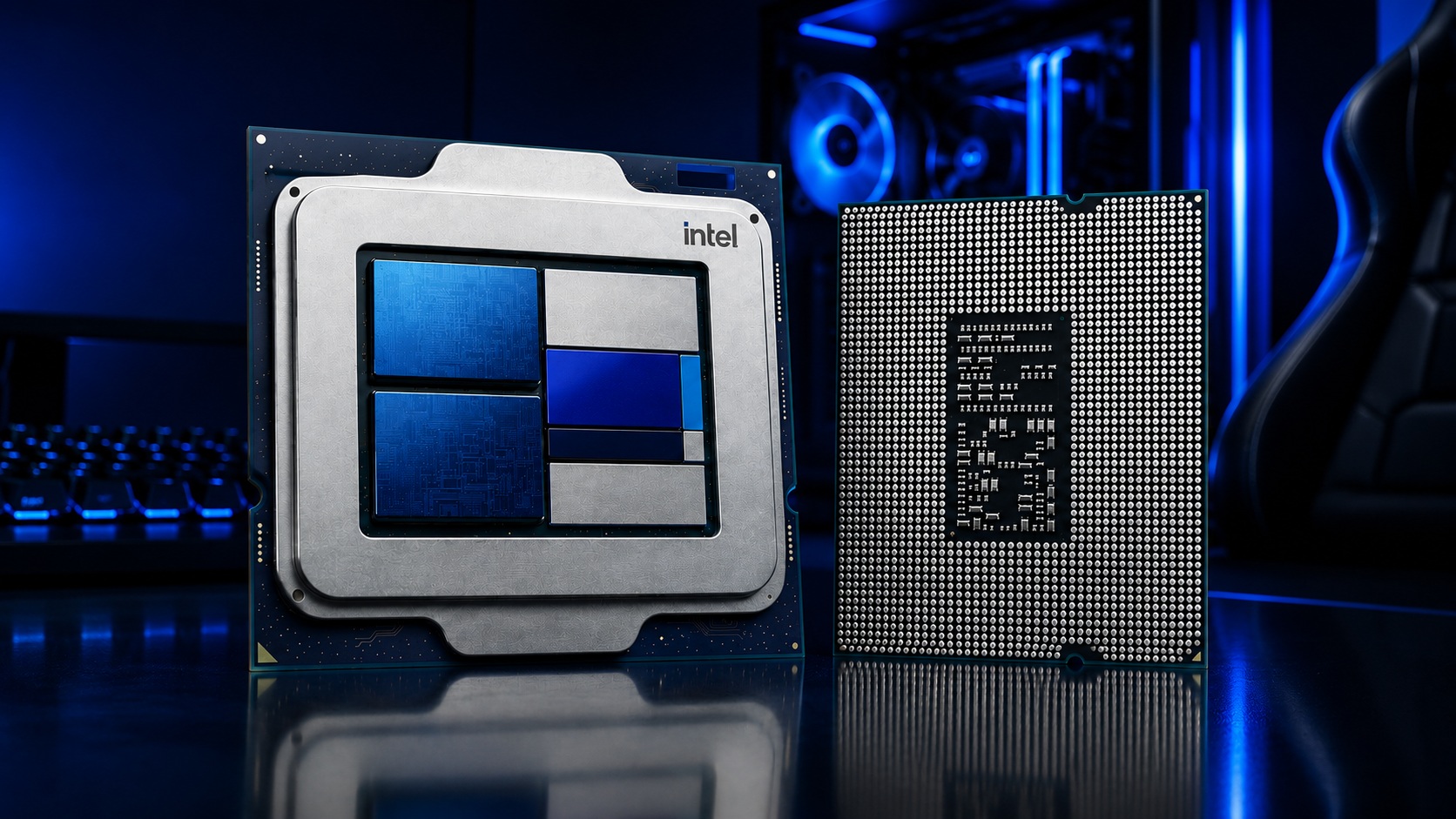
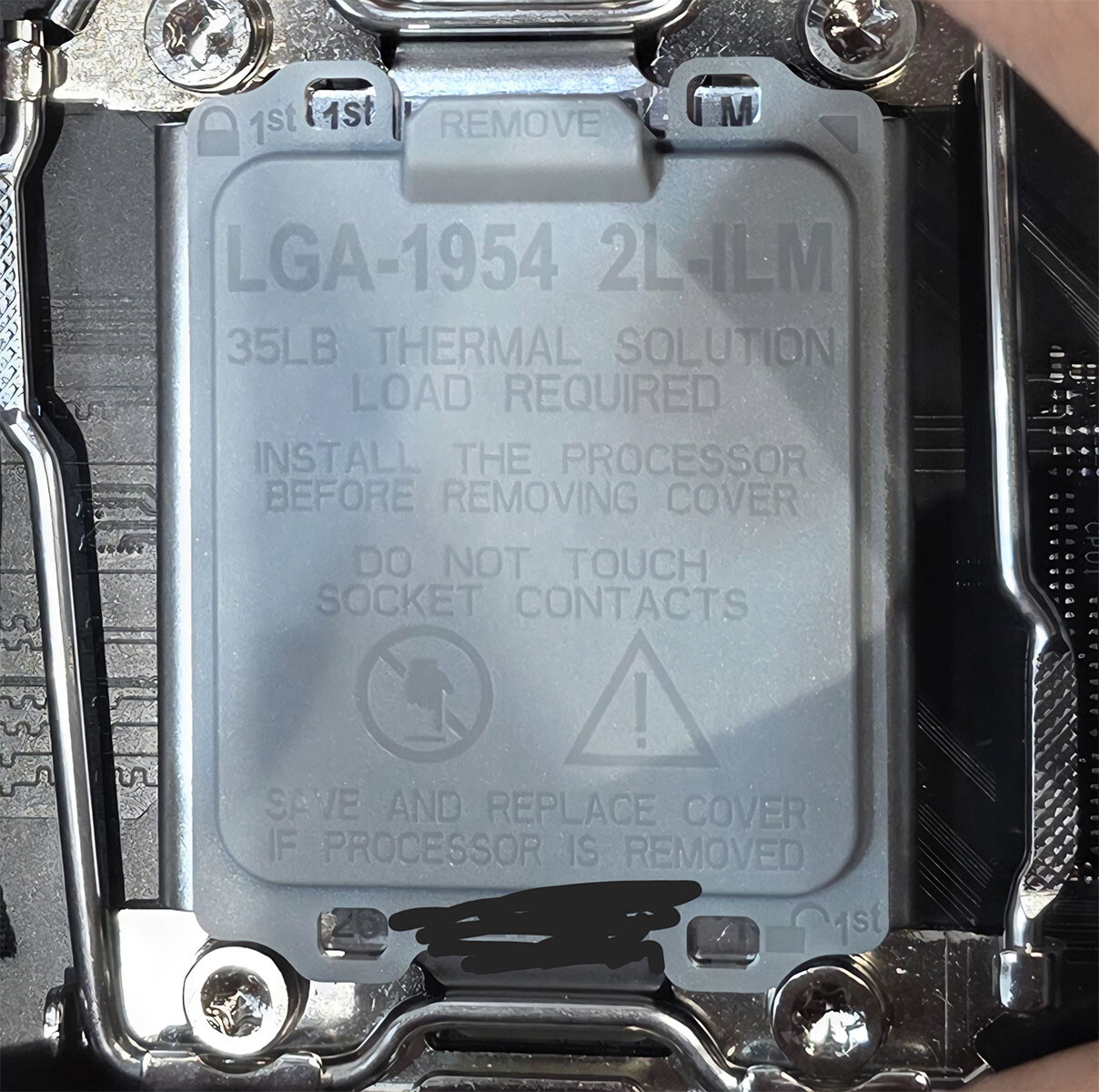
The newly surfaced image confirms that the LGA1954 socket will feature a 2-lever independent loading mechanism (ILM), a design choice reminiscent of Intel's high-end desktop and server platforms. This shift from the current single-lever system is expected to improve stability and ease of installation, particularly for high-power processors. The socket also appears more square than its predecessor, LGA1851, which likely facilitated the increase in pin count.
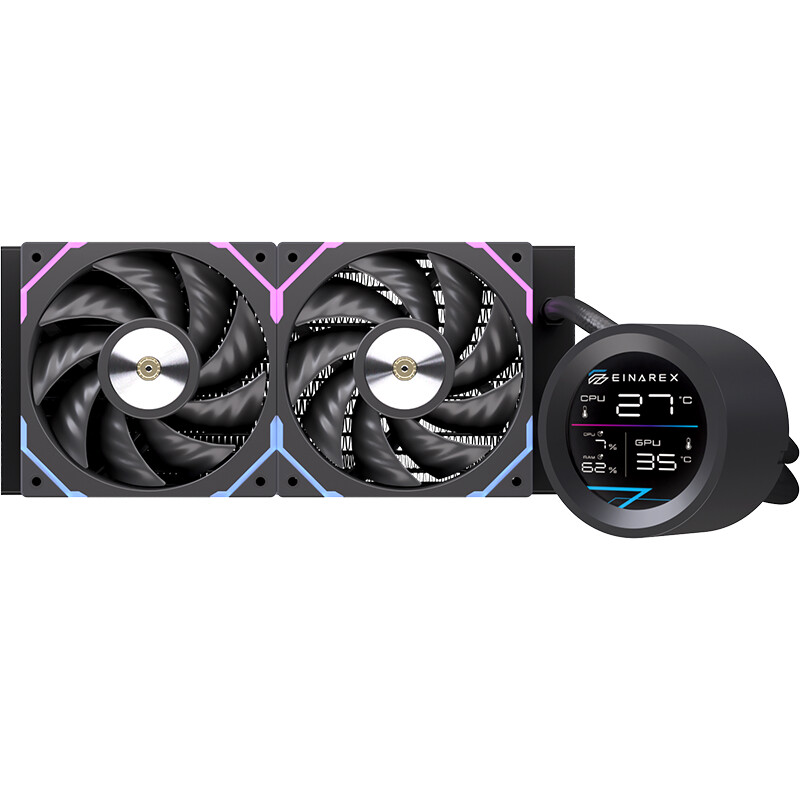
A notable aspect of this transition is the potential for backward compatibility with existing CPU coolers. While the new socket introduces significant changes under the hood, Intel has designed it to maintain compatibility with coolers from previous generations, including those used with LGA1700 and LGA1851. This could save enterprise buyers from needing to replace cooling solutions when upgrading their systems, a practical consideration given the long lifecycles of data center hardware.
The Core Ultra 'Nova Lake' processors are expected to bring substantial improvements in compute power, with higher core counts and cache sizes that will cater to demanding workloads. The platform's roadmap suggests a focus on efficiency, which could translate into better thermal performance and lower power consumption—a critical factor for enterprise environments where energy costs are a significant concern.
Looking ahead, the LGA1954 socket is poised to become the foundation for Intel's next wave of desktop processors. While specifics about the exact core configurations and performance metrics remain under wraps, the shift to a 2-lever ILM design signals a move toward greater stability and reliability, particularly for high-end applications. The platform's compatibility with existing coolers adds another layer of practicality, ensuring that enterprises can upgrade without disruption.
The confirmation of this socket design comes as part of a broader trend in the industry toward more robust and efficient computing platforms. For enterprise buyers, this means a focus on future-proofing their investments while balancing performance needs with power efficiency—a delicate but essential equation in today's data-driven landscape.