The twist here isn’t just that Romeo Stargazer is dead—it’s that his resurrection is the key to rewriting the timeline. Armed with a DeadGear Life Support system that lets him phase through reality like a glitch in the matrix, the game transforms every combat encounter into a puzzle. Need to dodge a hail of bullets? Shift into a semi-transparent state and slip past them. Stuck in a firefight? Freeze time for a split second to line up the perfect shot. It’s a mechanic that feels fresh even in its simplicity, rewarding players who treat the game as a real-time strategy challenge rather than a button-mashing session.
But the real innovation lies in how the game uses its linearity to create tension. Unlike open-world titles where side quests can be ignored, Romeo Is a Dead Man demands engagement. Miss a critical mission? The narrative branches in unexpected ways, with consequences that ripple through the story. The game’s world isn’t just a backdrop—it’s a character in its own right, shifting and warping as Romeo alters the past. A shopping mall that was once a haven for survivors becomes a zombie-infested nightmare in one timeline, or a high-tech hub in another. The result is a sense of immersion that few games achieve.
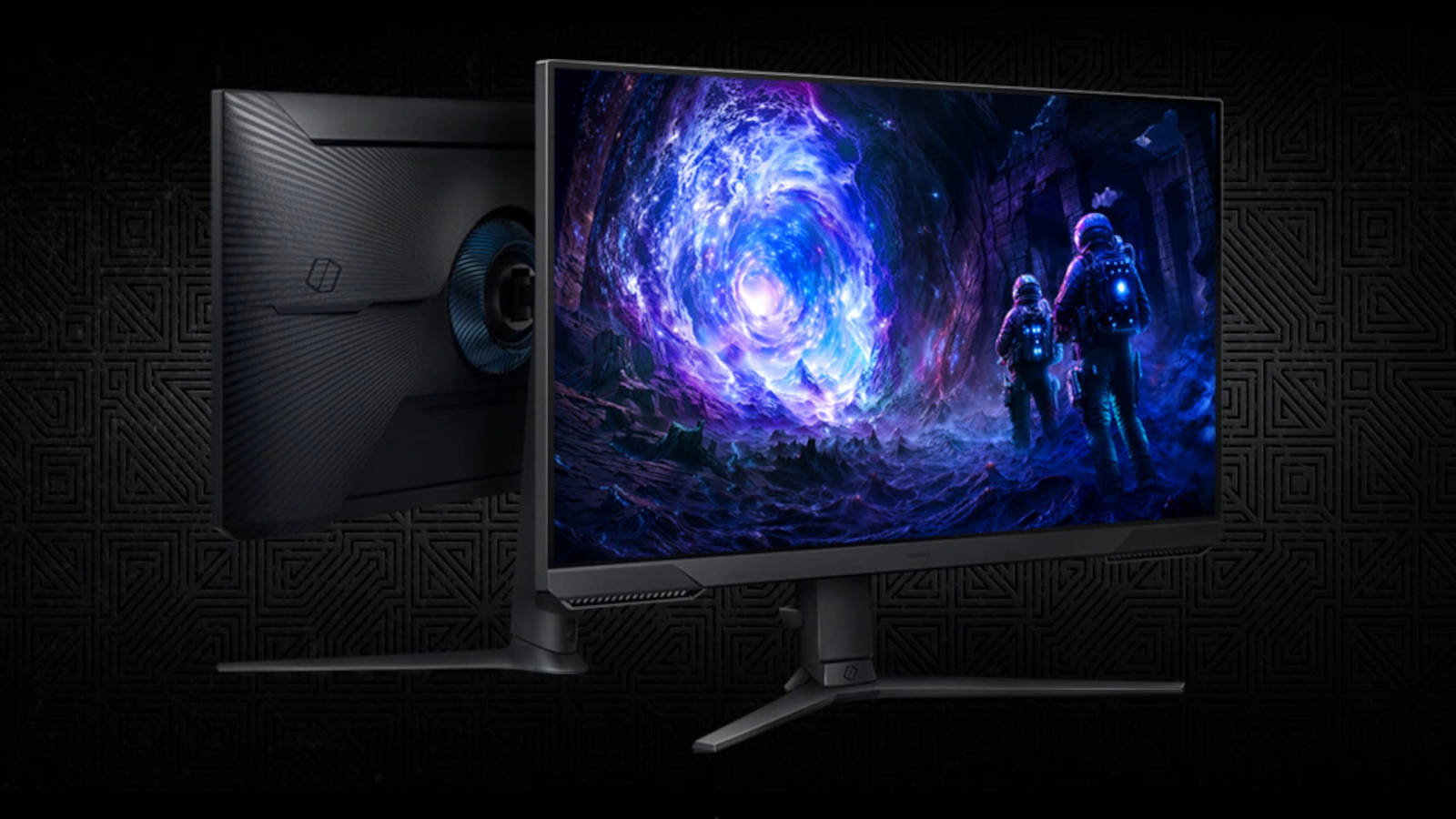
The visuals are a masterclass in atmospheric design, pushing the RTX 4080 to its limits with a palette that swings between gritty noir and neon cyberpunk. The game’s 4K presentation isn’t just about resolution—it’s about mood. Black-and-white filters drape over decaying hospitals, while vibrant hues explode during action sequences, creating a dynamic contrast that keeps the player’s eyes locked on the screen. Even the UI is part of the experience, with a retro-futuristic HUD that feels like it’s straight out of a 1980s sci-fi flick.
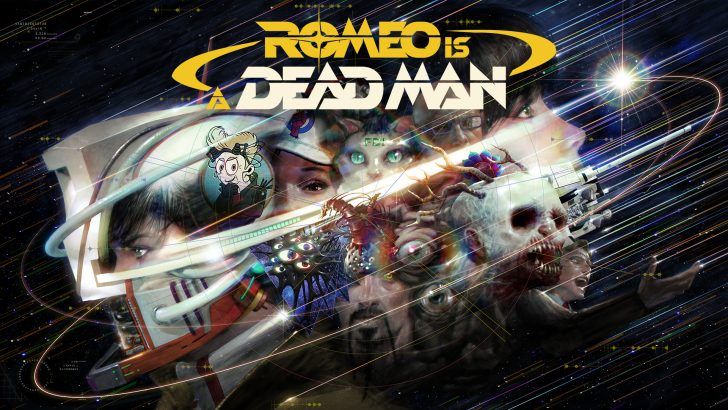
Performance is another standout. The game runs smoothly on high-end hardware, with load times that are nearly imperceptible and visual effects that pop without sacrificing detail. It’s a rare feat in today’s gaming landscape, where even AAA titles struggle to balance fidelity and fluidity. Here, Grasshopper Manufacture and Suda51 have delivered a technical showcase that doesn’t just meet expectations—it redefines them.
So why does Romeo Is a Dead Man matter? Because it proves that linearity isn’t a limitation—it’s a storytelling tool. In an era where games are increasingly about exploration over narrative, this title doubles down on structure to create something deeply personal. It’s a heist story, a time-bending thriller, and a love letter to the weird, all wrapped into one. And with 32GB of RAM to handle its complex systems and a visual engine that pushes boundaries, it’s clear that the team behind this game isn’t just playing by the rules—they’re rewriting them.
For players tired of open-world fatigue, Romeo Is a Dead Man is a breath of fresh air. It’s a game that dares to be different—not just in mechanics, but in spirit. And in a world where conformity often wins, that’s a rare and beautiful thing.