Beyond the immediate logistical chaos in Germany, the ruling against ASUS and Acer over H.265/HEVC patents raises critical questions about the future of hardware supply chains. The decision isn’t just about video encoding—it’s a test case for how patent enforcement can disrupt entire product lifecycles, from GPUs to prebuilt systems.
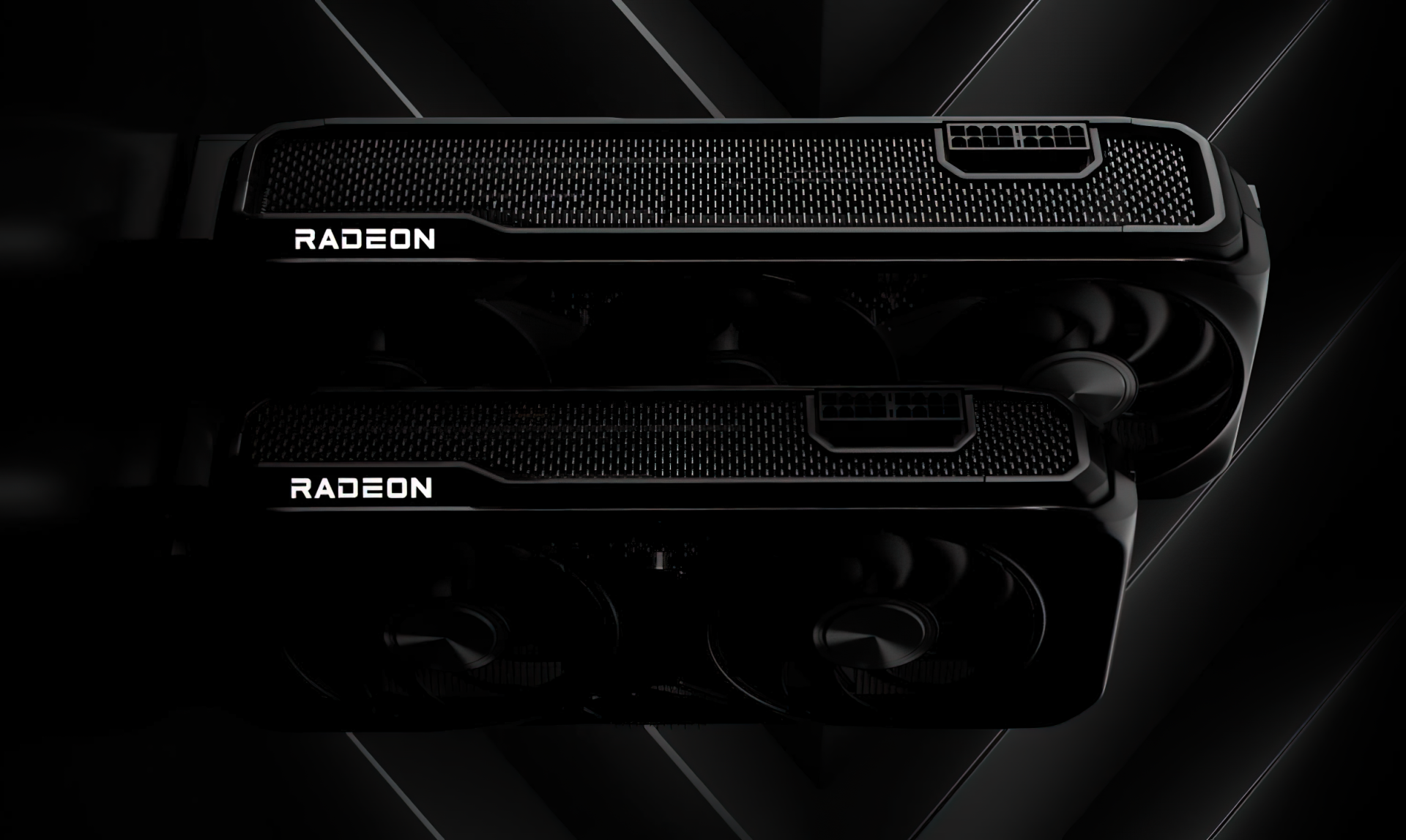
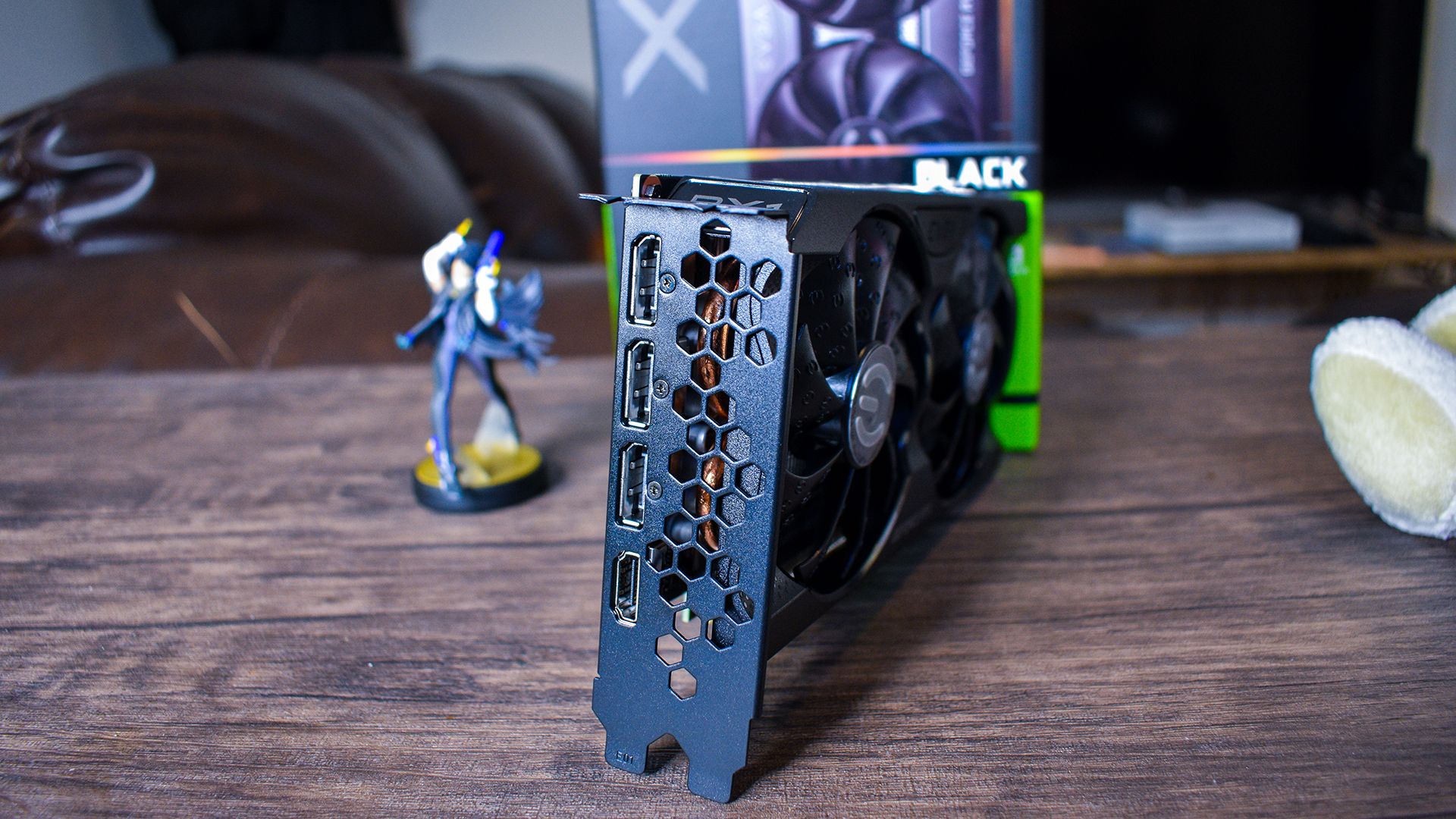
Take NVIDIA’s GeForce RTX 5090, for example. The flagship GPU, priced at $3,999 with only 1,000 units available, has already been a victim of supply constraints—first from memory shortages, now potentially from licensing uncertainties. If manufacturers like ASUS and Acer face similar legal hurdles in other markets, the scarcity of high-end hardware could worsen. Meanwhile, AMD’s Radeon RX 9070 and RX 9070 XT, which struggled to meet demand despite hitting MSRP, may now face additional pressure if patent disputes delay production or distribution.
The stakes are particularly high for prebuilt systems. ASUS’s ROG MATRIX RTX 5090, for instance, relies on components that may incorporate patented technologies. If licensing becomes a bottleneck, the already limited availability of such systems could shrink further. Consumers in Germany may find themselves in a Catch-22: existing stock is safe, but new purchases could be delayed indefinitely while companies sort out legal and logistical workarounds.

This isn’t isolated to Germany. Patent enforcement in one country can set precedents elsewhere. If Nokia’s approach succeeds in forcing FRAND compliance, other patent holders may follow suit, leading to a patchwork of legal requirements across Europe and beyond. For tech companies, the message is clear: ignoring licensing risks isn’t just a legal gamble—it’s a supply chain gamble.
What’s next? ASUS and Acer will likely appeal the ruling, but the process could take months. In the meantime, retailers may adjust inventory strategies, and manufacturers could explore alternative distribution channels—such as partnering with third-party sellers or relocating production to avoid legal pitfalls. For consumers, the best advice remains vigilance: check stock levels before purchasing, and be prepared for potential delays if the ruling expands beyond Germany.
The broader lesson? The tech industry’s reliance on standardized technologies like video encoding means that a single legal dispute can have domino effects. As hardware becomes more complex—and as patent enforcement grows more aggressive—the balance between innovation and compliance will define the next chapter in tech supply chains.