Multiplatform releases have long been a gamble for developers. Deliver a game optimized for high-end PCs, and consoles struggle to keep up. Design for the lowest common denominator, and PC players feel shortchanged. Square Enix’s Final Fantasy VII Remake Part 3 shatters this paradigm by treating every platform as a first-class citizen—no downgrades, no forced settings, just a unified technical vision executed flawlessly across six distinct hardware configurations.
The secret lies in a radical departure from traditional optimization workflows. Instead of starting with console limitations and scaling up, the team built the game’s assets and systems for PC—where resources are abundant—and then systematically adapted them downward. This isn’t just about downscaling textures or reducing draw distances; it’s a holistic approach that touches every layer of the game’s technical stack.
GPU: The Series S Paradox
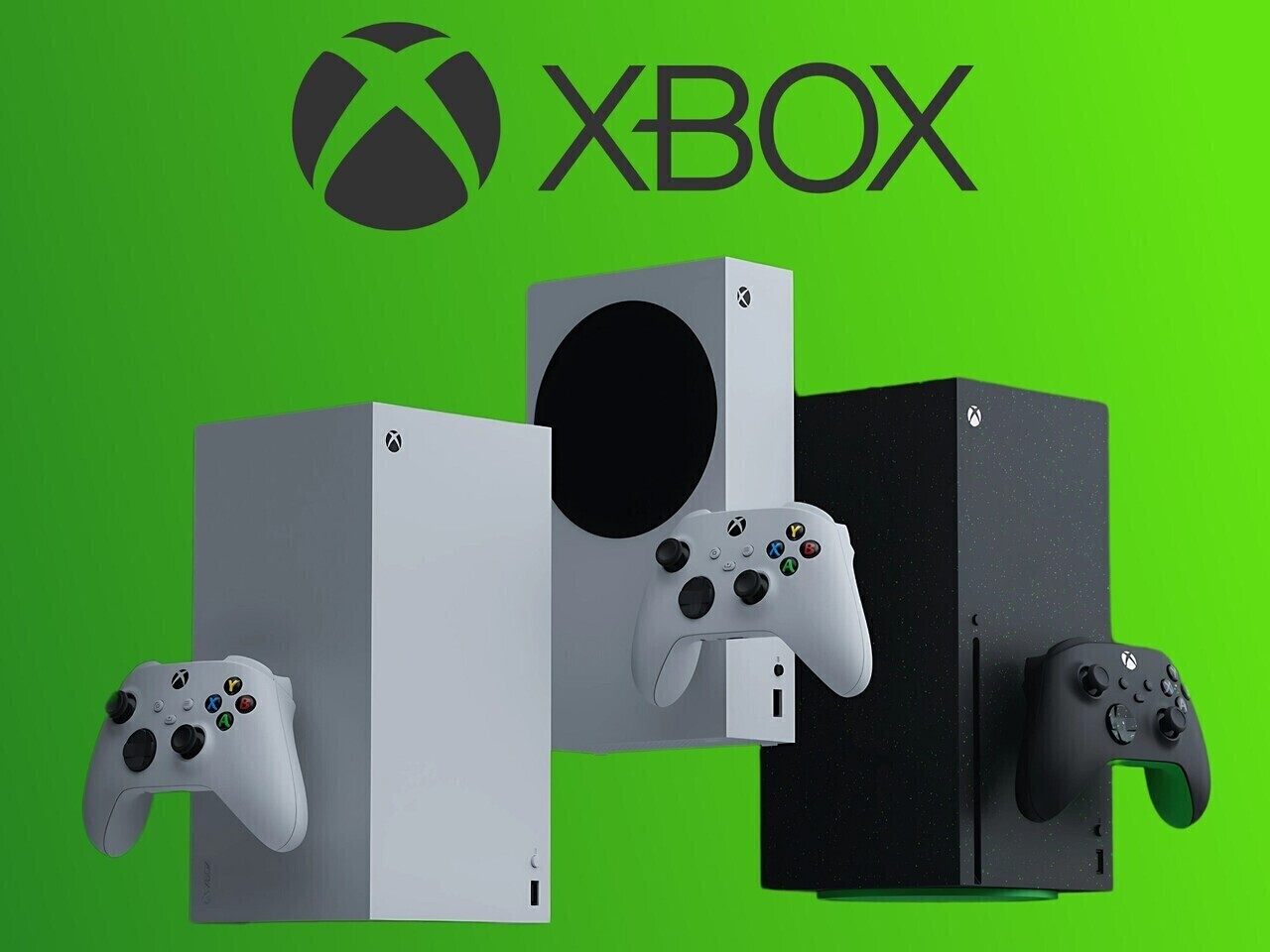
The Xbox Series S, with its 4 teraflops of GPU power and shared memory architecture, was the most demanding test case. Traditional rendering techniques—like dynamic ray tracing or high-polygon models—would have crippled performance, forcing the team to rethink how visuals are delivered. The solution? A combination of asynchronous compute shaders and adaptive resolution scaling that dynamically adjusts based on real-time GPU load. When a scene becomes too complex, the game temporarily reduces resolution to maintain a stable 30 FPS, then snaps back as soon as the GPU can handle it. The result is a fluid experience on Series S that, while not identical to the Series X, never feels like a stripped-down version.

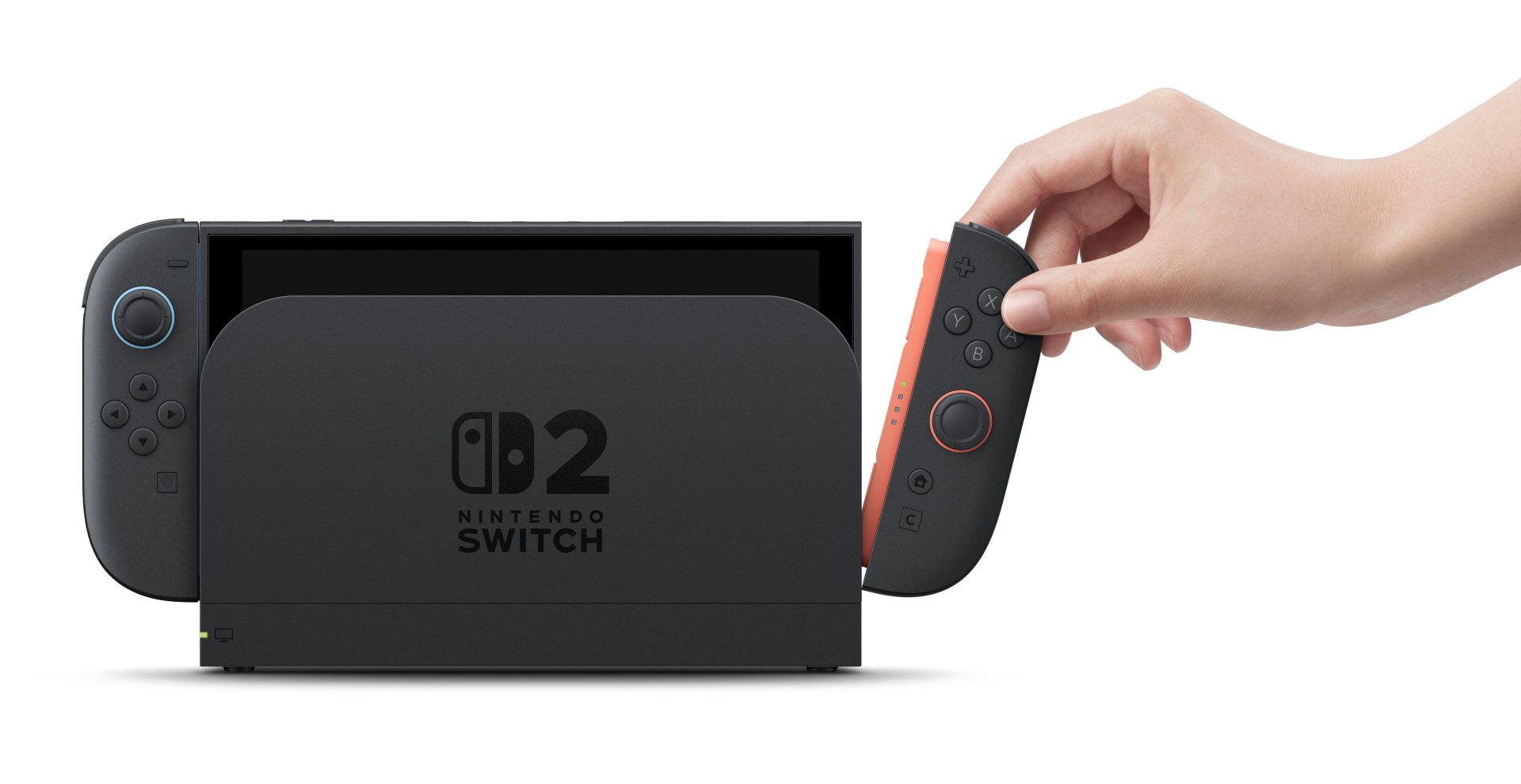
On the Switch 2, where 16GB of RAM and a custom CPU provide more breathing room, the game leverages prioritized asset streaming to ensure critical elements—character models, immediate environments—are always accessible. Meanwhile, secondary details like distant backgrounds load asynchronously, preventing hitches during gameplay. Even the CPU-bound AI systems adapt: NPCs on lower-end hardware exhibit slightly simplified animations and pathfinding, freeing up cycles for physics and collision detection without disrupting the player experience.
A Visual Promise Kept
The payoff is a game that doesn’t just work on every platform—it excels. The PC version delivers 4K textures, advanced volumetric lighting, and high frame rates, while consoles receive tailored but equally polished experiences: 1080p with adaptive scaling on Series S, 1440p on Switch 2, and native 4K on Series X and PS5. There are no locked FPS caps, no forced low settings, and no placeholder assets. Every version of the game is a deliberate choice, not a concession.
This level of optimization comes at a cost. Development cycles stretch longer, and testing across multiple hardware configurations introduces complexity. Yet for Square Enix, the alternative—leaving players with a subpar experience—was never an option. The studio’s commitment to visual consistency has set a new standard, one that other developers will likely follow as the industry moves toward more diverse hardware ecosystems.
For Final Fantasy VII fans, the message is clear: no matter which platform they choose, they’re getting the same game. For the rest of the industry, the lesson is even more profound. The days of treating consoles as an afterthought are over. With *Remake Part 3*, Square Enix has proven that technical limitations aren’t constraints—they’re just challenges waiting for the right solution.