SpaceX’s reported development of custom GPUs represents more than just an internal engineering project—it’s a calculated shift toward self-sufficiency in hardware design. The company, already known for its aggressive approach to aerospace innovation, is now turning its attention to the foundational components that power its satellite networks and ground systems.
This isn’t about competing with Nvidia or AMD in the consumer market. Instead, SpaceX’s GPUs are being tailored for real-time data processing, AI-driven tasks, and signal management—areas where off-the-shelf solutions often fall short. The focus is on computational throughput, power efficiency, and reliability under extreme conditions, rather than features like ray-tracing or high VRAM capacities.
How It Compares to Industry Trends
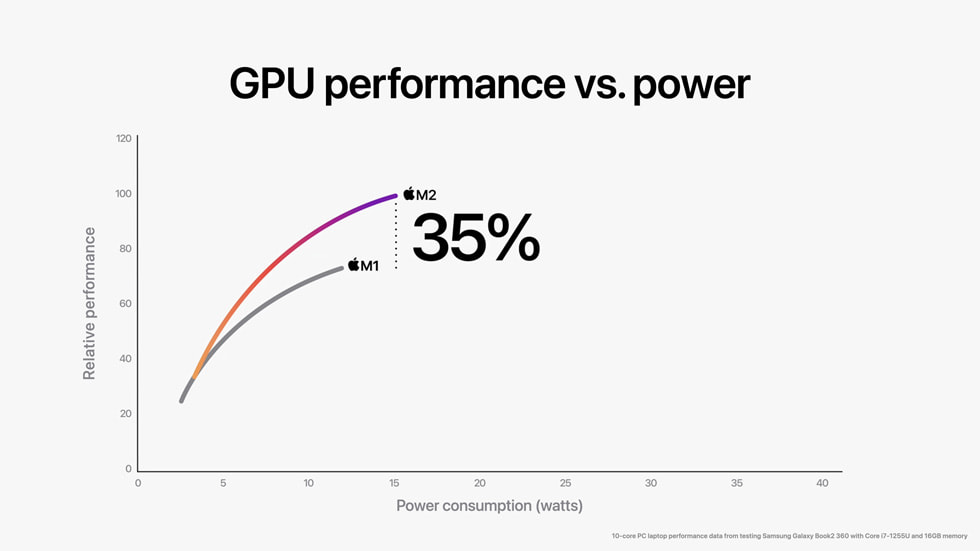
The move aligns with a growing trend among tech giants, where companies like Apple have built their own chips to gain tighter control over performance and power consumption. However, SpaceX’s approach differs in one key way: its GPUs won’t need to support standard APIs or development frameworks. The competition isn’t other GPU manufacturers—it’s the unique challenges of space hardware, including radiation hardening, thermal management, and supply chain resilience.
Key Technical Specifications
- Custom Architecture: Optimized for Starlink’s real-time data processing needs rather than traditional graphics rendering.
- Power Efficiency: Designed with aggressive thermal management to operate reliably in satellite environments, where heat dissipation is a critical concern.
- Scalability: Modular structure to support future expansions in both ground-based and orbital systems, ensuring adaptability as Starlink’s network grows.
The GPUs are expected to lack features common in consumer graphics cards, such as advanced ray-tracing cores or large VRAM capacities. Instead, they prioritize raw computational performance for tasks like signal processing and AI-driven analytics—areas where SpaceX has already demonstrated leadership with custom silicon solutions, including its Starship engine development.
Who Stands to Gain?
The primary beneficiaries of this initiative will be SpaceX’s own engineering teams, who gain unprecedented flexibility in optimizing hardware for Starlink’s evolving requirements. For users relying on Starlink services, the impact may be indirect—faster ground stations, more stable connections, and improved performance—but these GPUs won’t appear in consumer devices.
If successful, this vertical integration strategy could set a new benchmark for aerospace firms, proving that custom silicon isn’t just for consumer electronics. It also raises questions about whether such advancements will eventually trickle down to public products or remain confined to niche, high-performance applications like satellite infrastructure.