Wildlight Entertainment’s Highguard launched to mixed reactions in late January, but the game’s trajectory has been steeply downward. Just two weeks after its debut on Steam, the studio reportedly laid off most of its development team, leaving fewer than 20 employees to salvage what remains of the project.
The shooter, built by the same developers behind Apex Legends and Titanfall, was expected to deliver a fresh take on competitive multiplayer. However, internal challenges—particularly in playtesting and leadership expectations—have undermined its chances for long-term success.
A Gap in Playtesting
One of the most significant missteps, according to insiders, was the way Wildlight conducted player testing. During early evaluations, microphones were disabled, creating an experience that differed dramatically from the intended design. Without vocal communication—a core element of competitive shooters—players struggled to understand mechanics and strategies, leading to negative feedback that wasn’t fully addressed before launch.
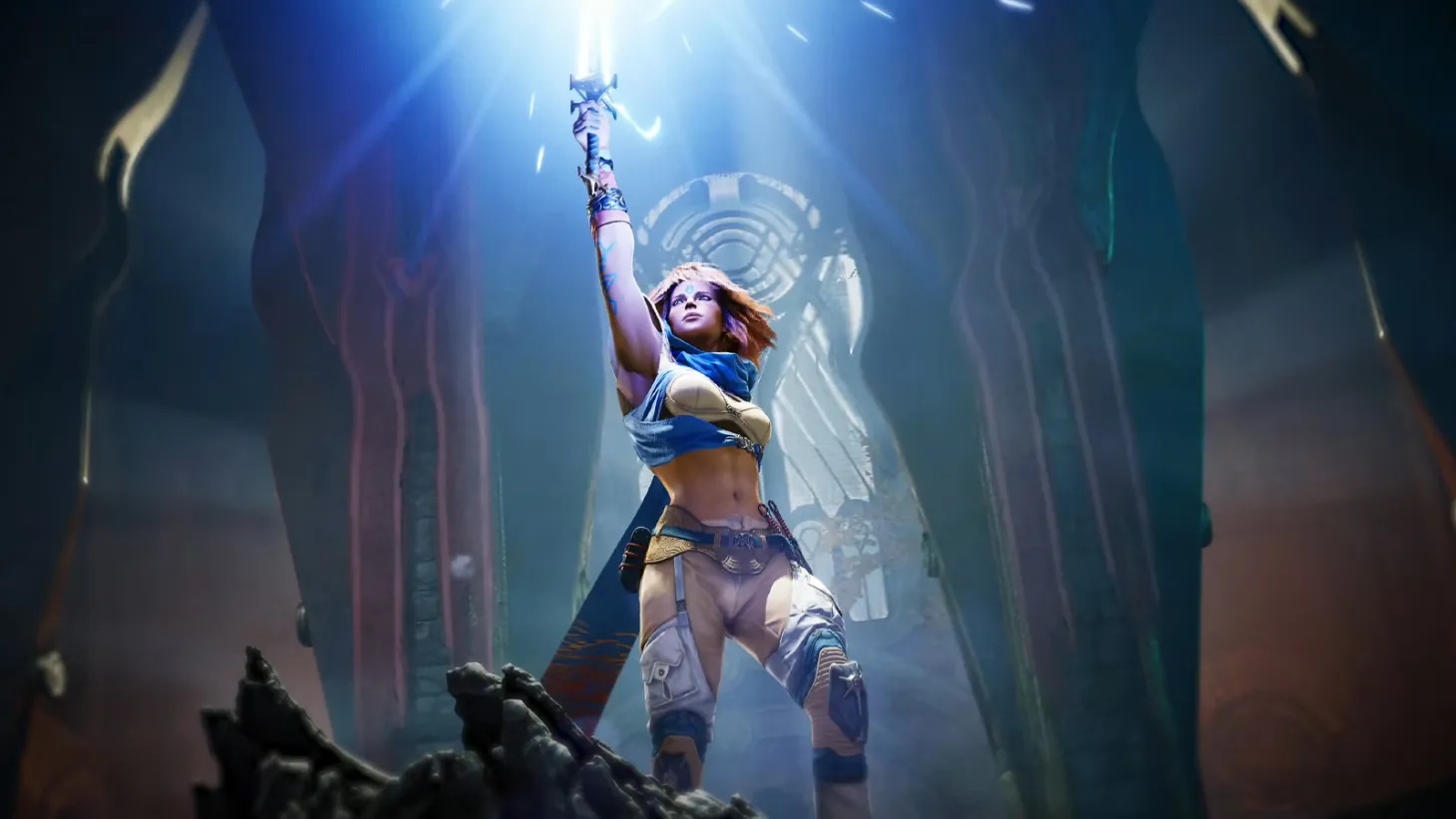
Additionally, having studio personnel assist players during testing skewed results, as it didn’t reflect real-world conditions. This oversight contributed to Highguard’s disjointed feel upon release, blending elements of different genres without a clear identity.
The Weight of Expectations
The studio’s leadership, with its history of success in the competitive shooter space, may have overestimated the game’s potential. Apex Legends’ rapid rise to prominence created high expectations that Highguard struggled to match. While Wildlight aimed for a similar level of instant appeal, the reality of development proved more complex.
With fewer than 20 employees remaining, the future of Highguard is uncertain. Whether it can recover from its current slump remains an open question, but its early struggles serve as a cautionary tale about the risks of overconfidence in game development.