Microsoft’s Halo Studios is reportedly preparing to remaster two of its most iconic titles—Halo 2 and Halo 3—using Unreal Engine 5, marking a significant shift in how legacy games are reimagined for modern hardware. The move raises important questions for enterprise buyers about upgrade timing and compatibility risks when integrating high-end rendering into established workflows.
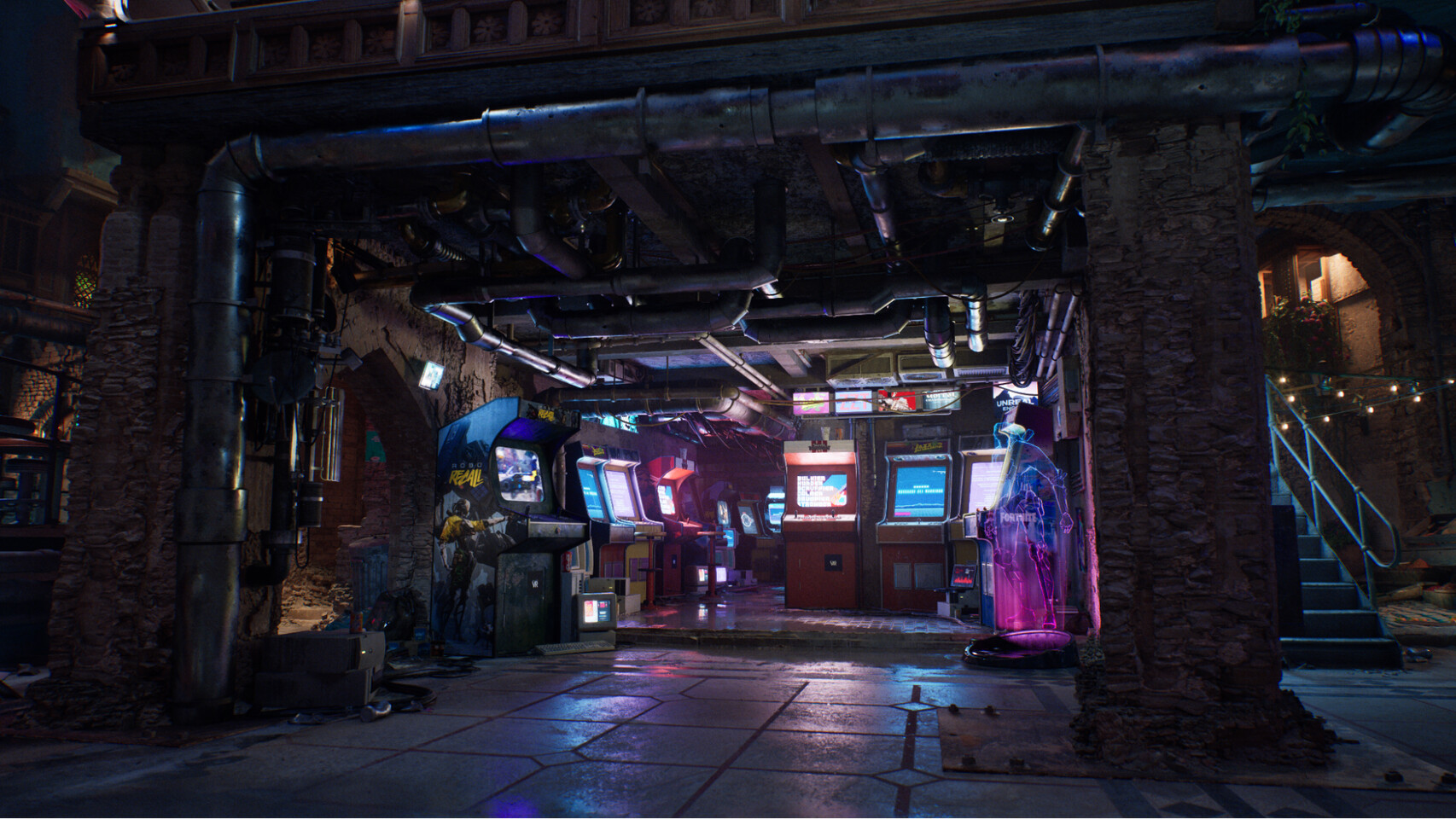
The decision to leverage Unreal Engine 5 for these remasters suggests a push toward photorealistic visuals that could strain existing systems, particularly those not yet upgraded to support the engine’s advanced features. While specific technical details remain under wraps, industry sources indicate that the remasters will include enhanced lighting, physics, and environmental interactions—features that demand significant GPU and CPU resources.
Key Considerations for Upgrades
- Performance Impact: Unreal Engine 5’s real-time ray tracing and Nanite virtualized geometry could push legacy systems to their limits, requiring enterprise buyers to evaluate whether current infrastructure can handle the load without performance degradation.
- Compatibility Risks: If these remasters become industry standards for next-gen gaming, enterprises may face pressure to upgrade hardware sooner than planned to avoid compatibility issues with future software.
The practical implications are clear: a user running one of these remasters on an older workstation might notice stuttering or reduced frame rates during complex scenes, even if the game itself is optimized. This could be particularly problematic in environments where consistent performance is critical, such as training simulations or collaborative design reviews.

Timing and Strategic Moves
Halo Studios’ reported focus on five projects simultaneously—including these remasters—implies a rapid development cycle that could accelerate the adoption of Unreal Engine 5 in enterprise workflows. For buyers, this means that delaying upgrades to accommodate current hardware budgets might leave them vulnerable to compatibility gaps as more titles adopt the engine.
Who Benefits Most?
The primary beneficiaries will likely be enterprises with forward-thinking IT strategies, those already invested in high-end GPUs and CPUs capable of handling Unreal Engine 5’s demands. For others, the remasters serve as a cautionary tale: waiting too long to upgrade could mean missing out on seamless integration or facing unexpected performance bottlenecks down the line.