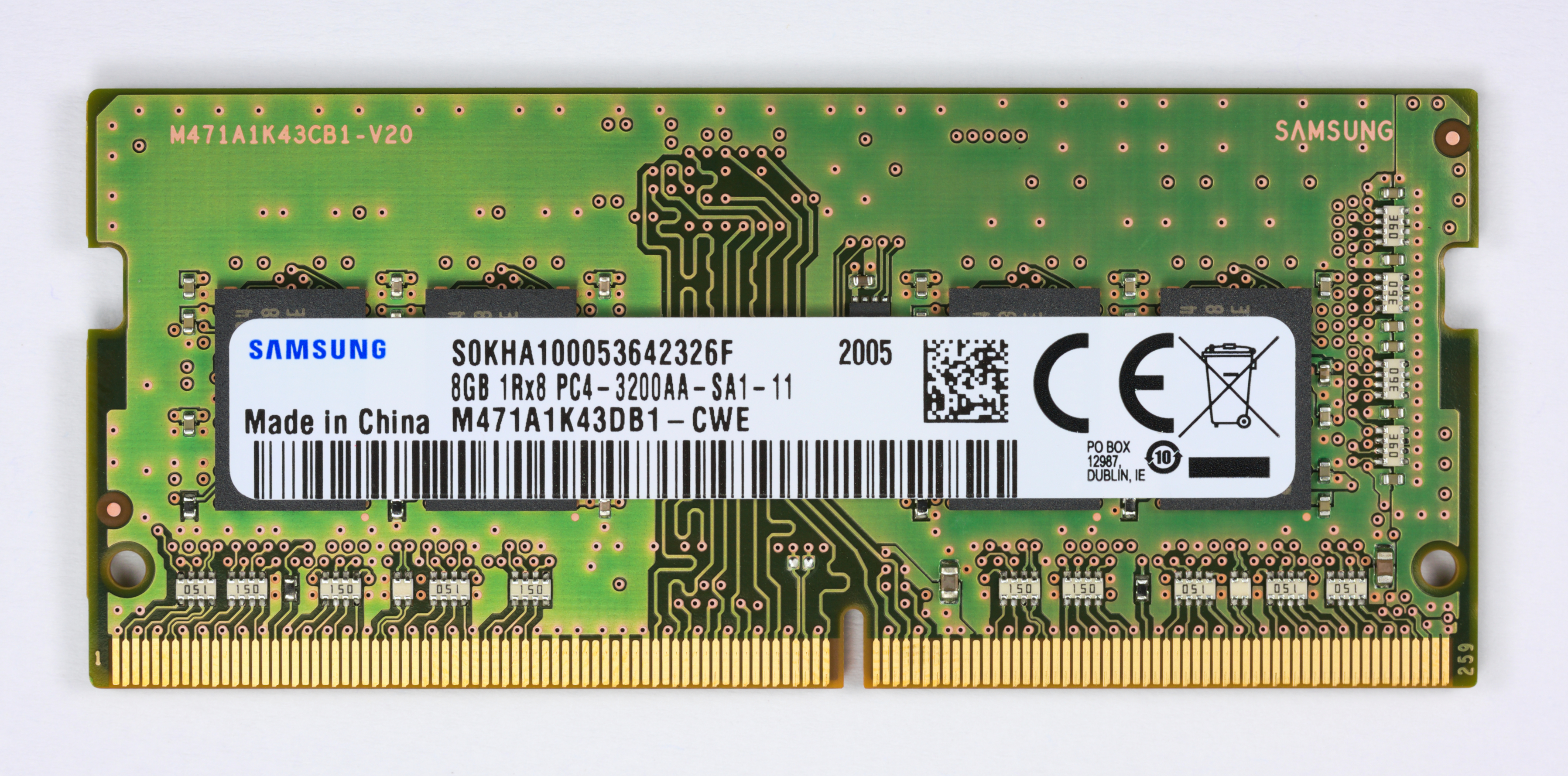
Subnautica 2’s PC system requirements reveal a deliberate push toward higher-end hardware, particularly around memory allocation. A minimum of 12 GB of RAM is now required to achieve 30 FPS at 1080p, a threshold that aligns with current industry benchmarks for open-world titles. This isn’t just a technical milestone—it’s a strategic move that could reshape how developers and players approach platform lock-in, especially in data-intensive workloads.
The game’s memory demands are the most striking detail. Unlike previous entries in the series, Subnautica 2 doesn’t offer a 16:9 aspect ratio option, forcing players to stick with a fixed resolution. This decision simplifies hardware compatibility but also narrows the window for optimization, particularly on lower-tier systems. The minimum RAM requirement, combined with the lack of flexibility in display settings, suggests a focus on consistency over adaptability—a tradeoff that could leave some users on the sidelines.
For developers and IT administrators managing workloads, this shift is significant. Subnautica 2’s requirements imply a preference for systems with ample memory headroom, which could influence hardware procurement strategies in both consumer and enterprise environments. The game’s emphasis on efficiency isn’t just about raw performance; it’s about reducing stuttering and maintaining stable frame rates over long play sessions, a priority that resonates with data-driven workloads where stability is critical.
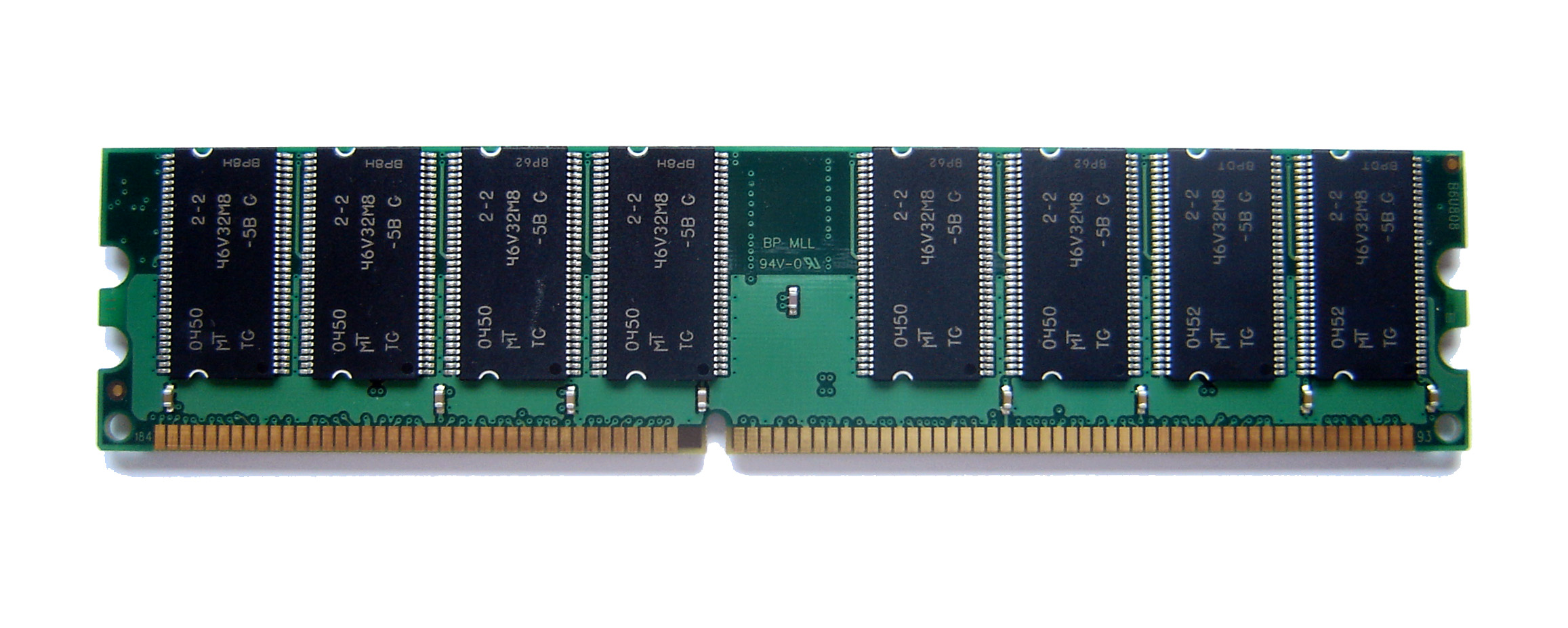
What remains unclear is how these requirements will impact availability. While the minimum specs are set, there’s no confirmation on whether Subnautica 2 will offer performance modes or dynamic resolution scaling to mitigate hardware constraints. Without those options, players and admins may find themselves locked into higher-end configurations, increasing the risk of platform dependency—a concern that grows more relevant as games push toward more demanding workloads.
Subnautica 2’s approach to memory and performance is a microcosm of broader trends in gaming. The game’s requirements reflect an industry-wide shift toward prioritizing efficiency over flexibility, a strategy that could have ripple effects across hardware development and software optimization. For now, the focus remains on what’s confirmed: 12 GB of RAM as a minimum, fixed resolution constraints, and a strong emphasis on stability. What’s still unconfirmed is how these choices will play out in practice, particularly for users with less powerful systems.