Microsoft has taken a bold step in software licensing by introducing a one-time purchase option for its Office suite, available on Windows, macOS, iOS, and Android. For $17, users can acquire a perpetual license that includes Word, Excel, PowerPoint, Outlook, OneNote, Publisher, and Access—eliminating the need for ongoing subscriptions.
This new model represents a departure from Microsoft’s long-standing subscription-based approach, which has dominated the market with plans like Office 365. While the one-time purchase does not include cloud services such as OneDrive or Exchange, it provides users with a straightforward alternative for those who prefer to pay upfront rather than commit to recurring monthly fees.
The Office suite delivered through this model covers a wide range of productivity needs, from document creation in Word and spreadsheet management in Excel to presentation design in PowerPoint. Additional tools like Outlook for email and calendar, OneNote for note-taking, Publisher for desktop publishing, and Access for database management round out the offering.
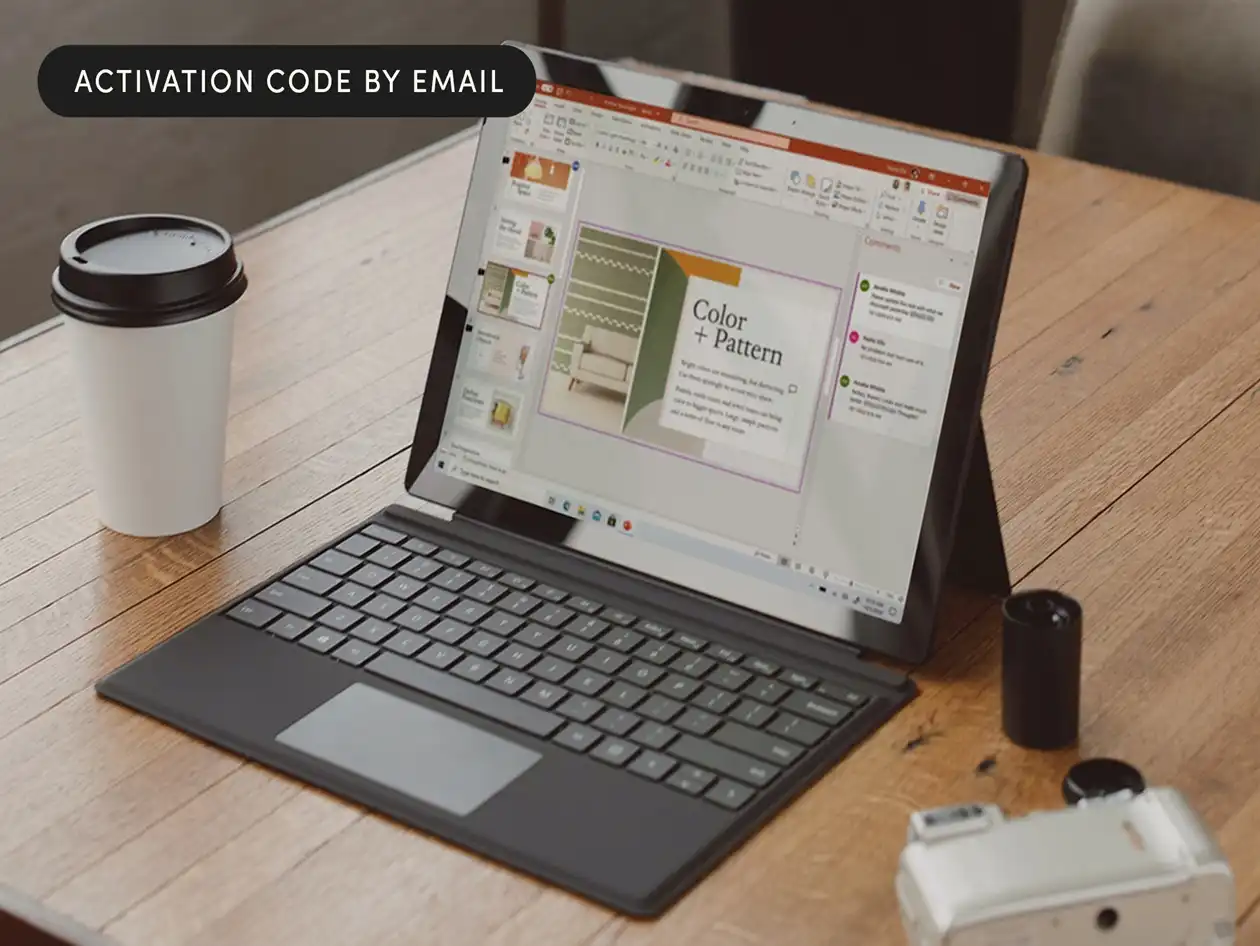
Annual updates will ensure that users receive the latest features and compatibility improvements without additional costs, though the focus remains on desktop and mobile applications rather than cloud-based collaboration. This could appeal to individuals or small teams who prioritize cost stability over flexibility in storage or cloud integration.
The shift toward perpetual licenses reflects a growing trend in software licensing, where users increasingly seek alternatives to subscription models that offer long-term value without the burden of recurring payments. While this model may not suit everyone—particularly those who rely heavily on cloud services—the $17 one-time purchase offers a compelling option for users looking to simplify their budgeting while retaining access to Microsoft’s core productivity tools.
As the tech industry continues to evolve, this move by Microsoft could signal broader changes in how software is sold and consumed. Whether it gains widespread adoption or remains a niche offering will depend on its reception among users who value simplicity and cost predictability over the flexibility of subscription-based services.