A small business owner running a local cloud service suddenly sees their GPU workloads become far more efficient—without upgrading hardware. That’s the promise behind Google’s latest AI optimization technology, which could reshape how companies manage memory costs in an era of rising DRAM prices.
Dubbed TurboQuant, the system is designed to compress AI model data by a factor of six while allegedly delivering up to eight times faster inference speeds on GPUs. If it lives up to its claims, it would mark a significant shift for industries relying on large language models and vector search engines, potentially easing memory bottlenecks that have pushed DRAM manufacturers’ stock prices downward in recent days.
The technology combines two novel approaches: PolarQuant, which uses polar coordinates to reduce memory overhead, and Quantized Johnson-Lindenstrauss (QJL), a 1-bit error-checking method. Google says it can compress key-value caches to just three bits without requiring additional fine-tuning, though whether this translates to real-world savings for businesses remains an open question.
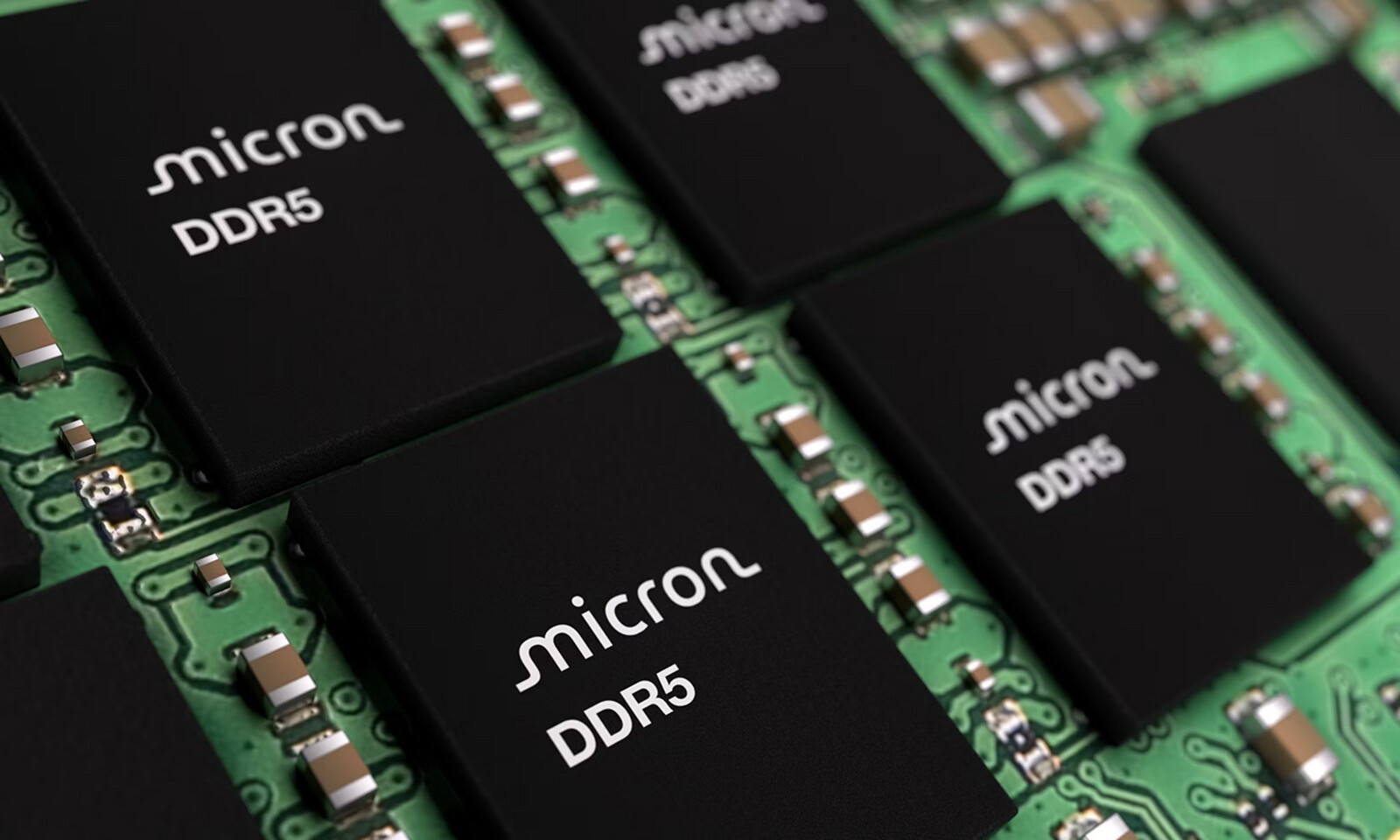
For now, the market reaction suggests caution. Major DRAM manufacturers like Micron and SK Hynix have seen stock drops of up to 19% in the past week, reflecting concerns about how TurboQuant might alter demand patterns. Whether this technology will ultimately reduce reliance on physical memory or simply change how it’s allocated is still unclear.
- Memory compression: Up to six times reduction in key-value cache size
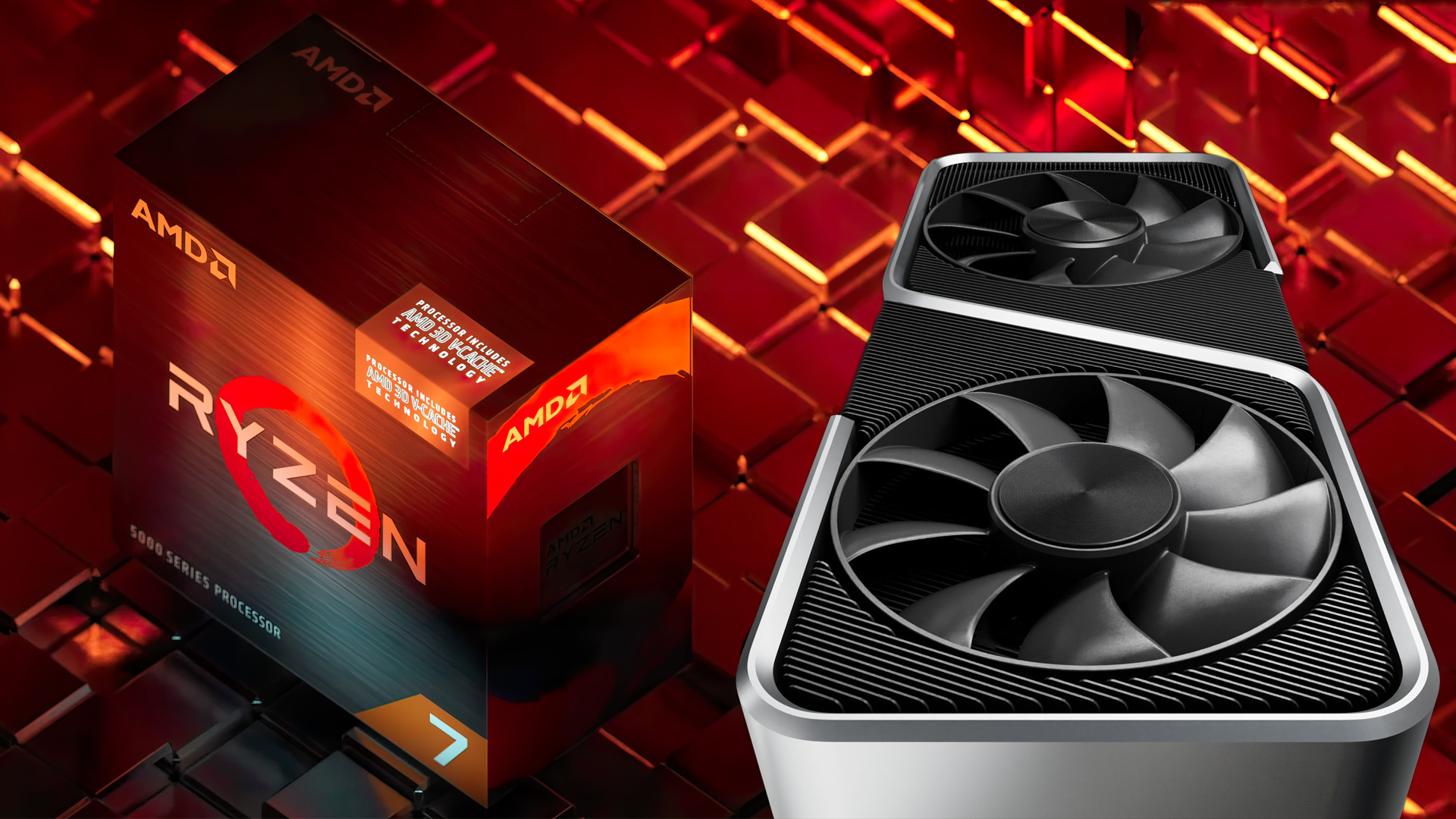
- Performance gain: Alleged eight-fold speedup in inference tasks on GPUs like the RTX 5090, RTX 5070, and RTX 5060
- Compatibility: Designed for AI workloads running on Tensor-based chips (e.g., Google’s own hardware) and NVIDIA GPUs with 16 GB or higher GDDR memory
The biggest unknown is whether TurboQuant will deliver consistent benefits across different AI models and hardware configurations. Early benchmarks suggest significant gains, but real-world deployment—especially in small business environments where memory costs directly impact profitability—could reveal limitations.
If successful, this could redefine how companies balance GPU performance against memory expenses. But with DRAM shortages still looming through 2028, the technology’s long-term impact on hardware demand remains uncertain. For businesses already stretched thin by rising component prices, any solution that reduces memory footprint without sacrificing accuracy would be a game-changer—but it’s too soon to say whether TurboQuant will live up to the hype.