Cloud gaming has long been a double-edged sword: promising seamless performance but often stumbling on hardware limitations or platform restrictions. NVIDIA’s GeForce NOW is attempting to turn that narrative by expanding its reach—both in terms of supported devices and the technical depth of its service.
The latest updates, unveiled at CES, signal a shift toward broader accessibility without sacrificing performance. Native Linux support arrives alongside Amazon Fire TV Stick integration, addressing long-standing requests from the community. But beyond just adding new platforms, NVIDIA is refining the experience with flight-control enhancements and a carefully curated lineup of AAA titles designed to showcase what cloud gaming can achieve when optimized correctly.
What stands out isn’t just the list of supported games or devices, but how GeForce NOW is tackling real-world limitations. For example, Linux users—often overlooked in mainstream gaming—now have a first-party experience that matches the fluidity seen on Windows and macOS. Meanwhile, Amazon Fire TV Stick owners gain access to a service that previously required workarounds, removing barriers for living room gamers.
Performance and Control: A Technical Leap
The flight-control feature, requested by players for titles like Star Citizen, is a notable addition. It allows users to map controller inputs directly from their devices, reducing latency in a way that traditional cloud gaming setups often struggle with. This isn’t just about adding buttons; it’s about making the experience feel as close to local gaming as possible.
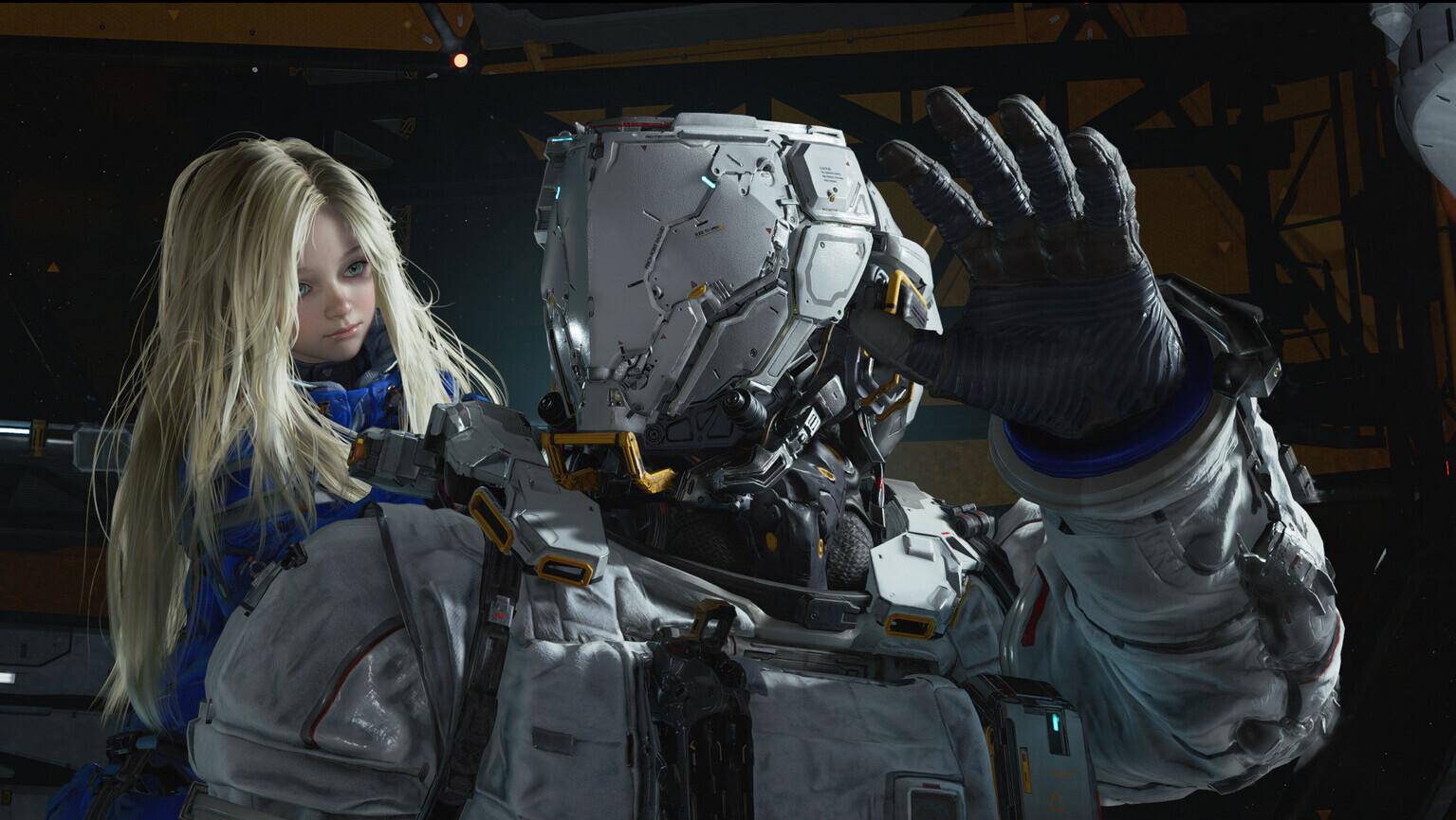
The AAA lineup— featuring games like Cyberpunk 2077, Control, and Doom Eternal—serves as a benchmark for what NVIDIA is capable of. These titles, known for their demanding requirements, run smoothly on GeForce NOW’s infrastructure, which relies on NVIDIA’s RTX GPUs. The service’s ability to handle ray tracing and high-refresh-rate gameplay without significant drop-off speaks to its engineering.

Who It’s For: Breaking Down the Barriers
- Display: 1080p or 4K HDR (device-dependent), up to 60fps, with support for high dynamic range and adaptive sync technologies like G-Sync.
- Chipset/GPU: NVIDIA RTX GPUs (Turing architecture) powering the backend, ensuring ray tracing and AI upscaling capabilities.
- Memory: Up to 12GB GDDR6 on supported GPUs for high-resolution gaming.
- Storage: Cloud-based, with no local storage requirements—games stream instantly.
- Power/Performance: Optimized for low-latency streaming, with NVIDIA’s NVENC encoders handling the heavy lifting of compression without sacrificing visual fidelity.
- Connectivity: Requires a stable 10 Mbps+ internet connection (50 Mbps recommended for 4K). Supports multiple platforms, including Windows, macOS, Linux, Android, iOS, and now Amazon Fire TV Stick.
- Ports/Features: Native app support across devices, with flight-control mapping for compatible titles. No physical ports needed—purely a cloud-based experience.
The technical specs tell one story: high-end hardware, low-latency streaming, and broad platform support. But the real value lies in how this translates to user experience. For gamers without high-end PCs, GeForce NOW offers a way to play AAA titles without the upfront cost or maintenance hassle. The Linux and Fire TV additions, in particular, cater to niche but growing audiences—tech-savvy users on Linux and casual gamers who prefer their controllers.
That said, tradeoffs exist. Cloud gaming still depends on internet stability, and while NVIDIA’s infrastructure is robust, latency can be a factor for competitive titles. Pricing also plays a role: the service is free for new players (with ads) or $10/month for ad-free access, making it accessible but not a replacement for local hardware for those who prioritize raw performance.
Looking Ahead
The expansion of GeForce NOW feels like a response to two key trends: the growing demand for cloud gaming and the diversification of gaming devices. NVIDIA is no longer just targeting PC gamers—it’s aiming to be a universal solution, whether you’re on a high-end desktop or a Fire TV Stick in your living room.
As for availability, GeForce NOW is already live on most supported platforms, with the Linux and Amazon Fire TV integrations rolling out soon. Pricing remains unchanged, but the focus now shifts to refining the experience further—whether through better flight controls, more game optimizations, or even deeper integration with other NVIDIA services like NVidia Broadcast.