The Galaxy S27 base model is poised to challenge long-held assumptions about what defines a premium smartphone display. For years, Samsung's flagship devices have been synonymous with in-house LTPO OLED panels—components that deliver unmatched power efficiency and thermal control. The move to BOE for the base variant, however, suggests a recalibration of priorities, one where cost stability takes precedence over marginal performance gains.
BOE has carved out a strong position in mid-range markets with its LTPO OLED panels, but its entry into the high-end segment raises questions about how it will measure up against Samsung's proprietary solutions. While BOE's technology is advanced, it may not replicate the same level of optimization seen in Samsung's displays, particularly in low-power states and thermal management—a detail that could become more noticeable under heavy workloads.
Performance and Efficiency: What Changes, What Stays the Same
One area where differences are likely to emerge is power consumption. Samsung's LTPO OLED panels are engineered to minimize battery drain during idle states, often extending battery life by several hours compared to competitors. BOE's panels, while efficient, may not achieve the same level of optimization, potentially leading to slightly higher power usage in everyday scenarios. This could be particularly noticeable for users who rely on long battery life or extended gaming sessions.
Thermal behavior is another factor where variations might appear. Samsung's displays are finely tuned to work in tandem with its Exynos or Snapdragon chips, ensuring minimal heat buildup during sustained performance tasks. BOE panels, while capable, may introduce slight differences in thermal management, which could be more pronounced during high-refresh-rate content consumption or prolonged gaming.

Specs and Tradeoffs: A Closer Look
- Display Technology: BOE LTPO OLED (base model), Samsung LTPO OLED (higher tiers)
- Panel Resolution: FHD+ (2400 x 1080) or higher, depending on variant
- Refresh Rate: Up to 120Hz adaptive, with potential for lower-tier performance in the base model
- Brightness: Up to 1750 nits (HDR), consistent across variants
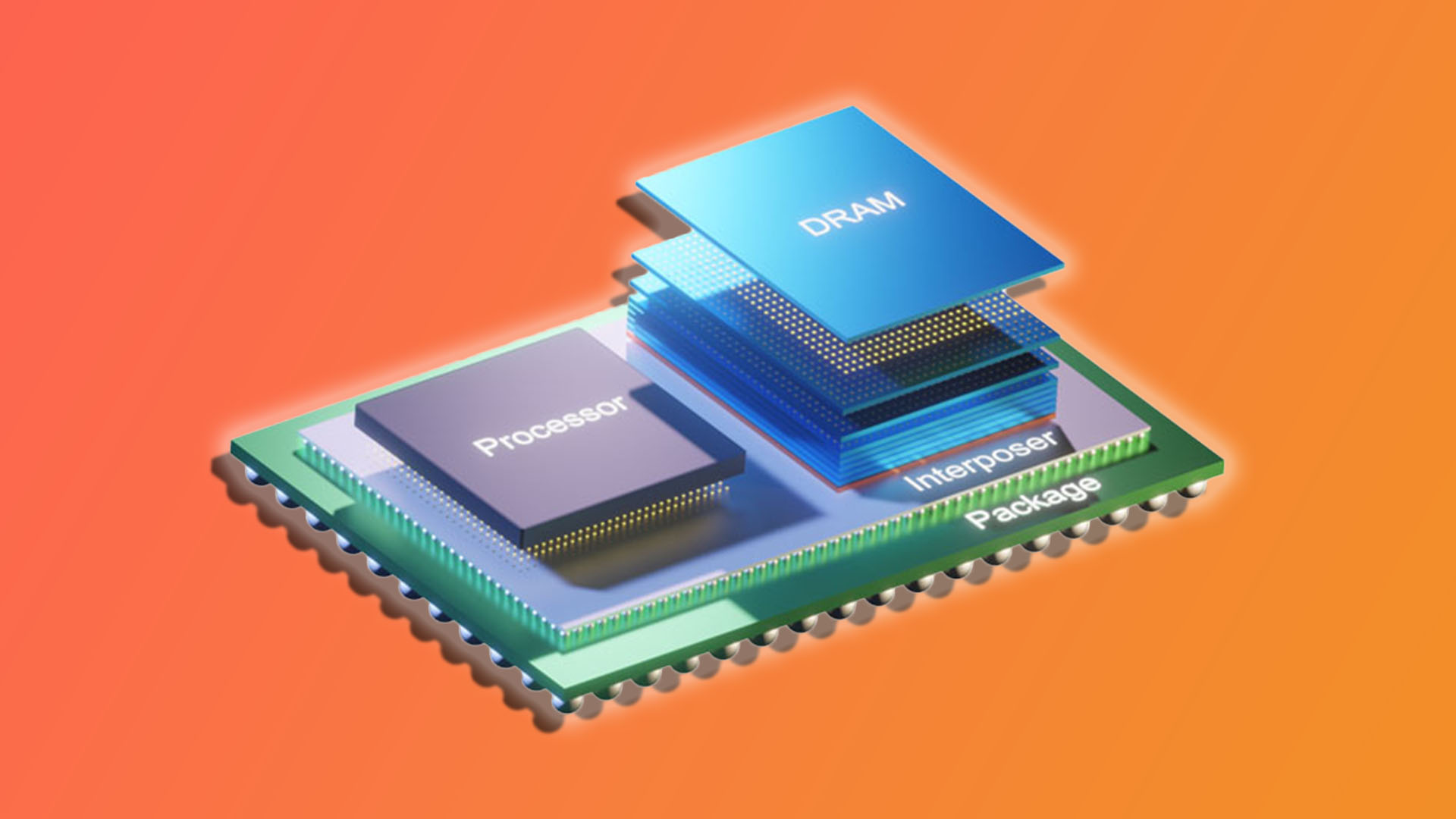
- Memory Chip Impact: BOE panels aim to reduce dependency on Samsung's own memory modules, addressing inflation concerns
The tradeoff is clear: the base model gains cost stability and supply chain flexibility, but it may also sacrifice some of the finer optimizations that have long been a hallmark of Samsung's premium experience. For gamers, this could translate into subtle differences in color accuracy or response times during fast-paced gameplay, though BOE has made significant progress in closing this gap.
A New Chapter for Samsung's Display Strategy
This shift also opens a broader conversation about Samsung's long-term display strategy. Historically, the brand has leaned heavily on its own manufacturing capabilities to maintain quality and differentiation. By introducing BOE panels into a flagship-adjacent model, Samsung is testing how far it can stretch its supply chain partnerships without diluting its brand identity.
For consumers, the decision could mean more affordable entry points into the Galaxy S27 lineup, but with the understanding that higher-tier models will continue to set the benchmark for premium Android devices. Whether this shift proves sustainable—or if it sparks a broader industry trend—remains an open question as Samsung navigates the delicate balance between cost and innovation.