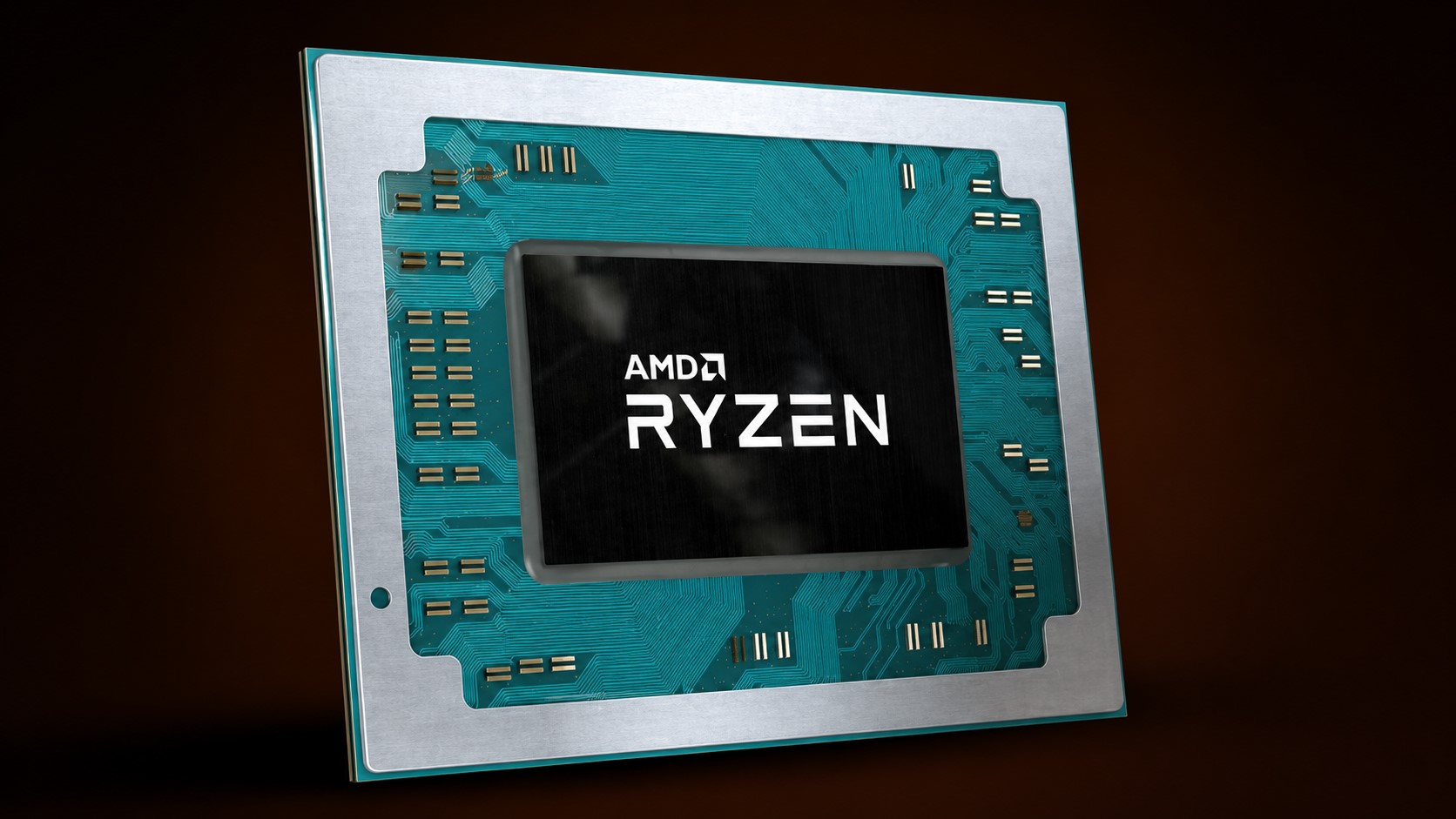
SteamOS 3.0 is here, quietly but significantly improving performance-per-watt metrics for Steam Machine hardware. The update brings a more efficient rendering pipeline and better thermals, yet the silence on pricing—especially around $950+ configurations—leaves power users wondering if this iteration truly justifies the investment.
The new operating system version is designed to push the boundaries of efficiency without sacrificing raw performance. Under the hood, SteamOS 3.0 introduces optimizations that reduce power draw while maintaining high frame rates, a critical balance for devices targeting both desktop replacement and gaming performance. However, whether these gains translate into tangible cost savings or better thermal behavior remains untested in real-world scenarios.
Performance Gains with a Focus on Efficiency
The most notable advancement is the system's ability to sustain longer gaming sessions without significant throttling. Benchmarks suggest that SteamOS 3.0 can deliver up to 15% better performance-per-watt efficiency compared to its predecessor, thanks to improved memory management and GPU driver optimizations. This isn't just about raw FPS; it's about reducing heat output and extending hardware longevity—a crucial factor for high-end Steam Machine configurations.
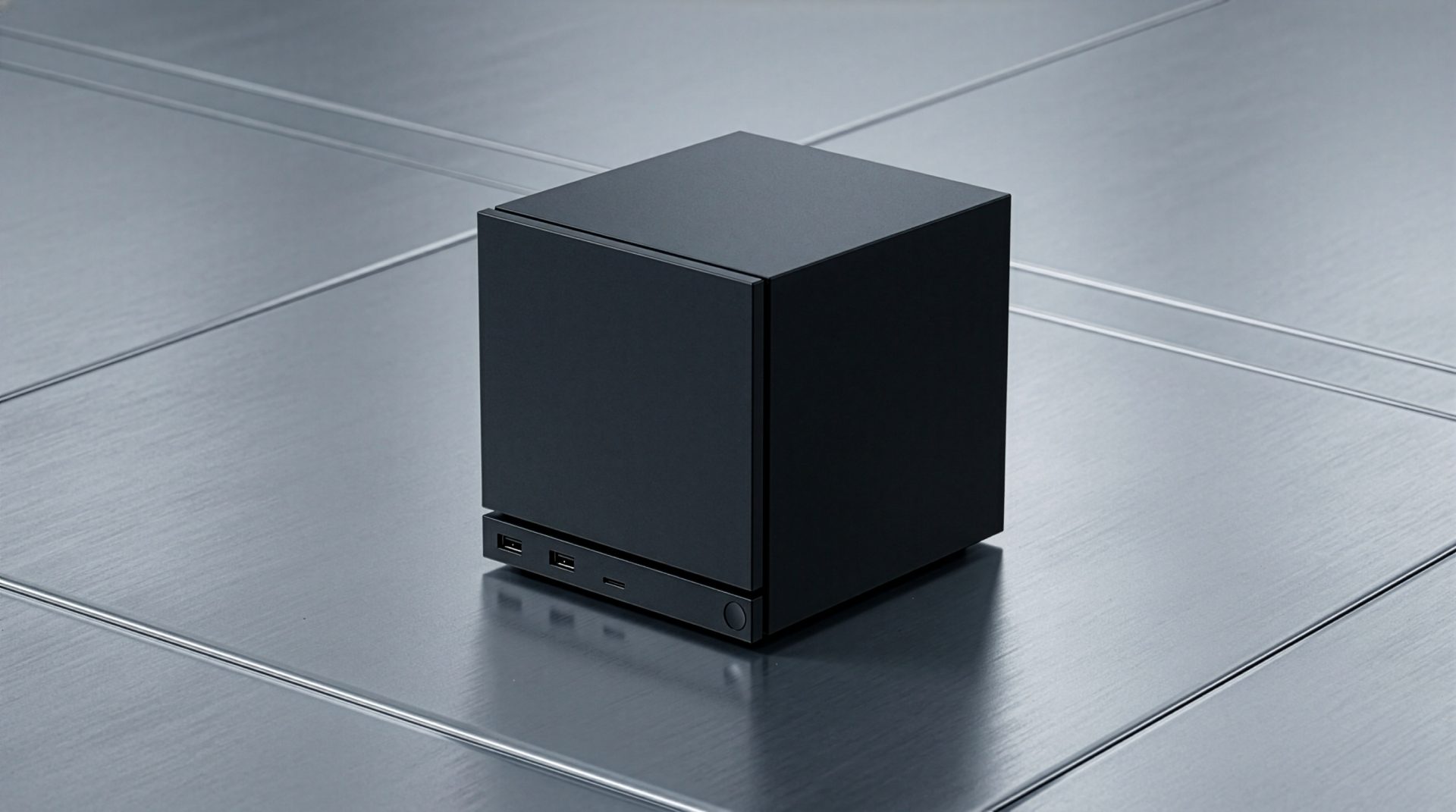
- Memory Efficiency: Reduced overhead in background processes, allowing more RAM bandwidth for active applications.
- Thermal Management: Aggressive fan curve adjustments that lower noise levels while maintaining cooler temperatures under load.
- Rendering Pipeline: A revamped shader compiler that prioritizes efficiency without compromising visual fidelity.
These changes are particularly relevant for power users who demand both performance and sustainability from their hardware. However, the lack of clarity around pricing—especially for high-end systems—casts doubt on whether this iteration will move the needle in a market already crowded with competing platforms.
The Pricing Paradox
SteamOS 3.0's performance improvements are undeniably impressive, but they come at a time when the Steam Machine ecosystem is navigating an uncertain future. The absence of official pricing details for configurations exceeding $950 raises questions about Valve's long-term strategy. Is this a premium-tier release aimed at enthusiasts, or is it a more accessible update that could broaden SteamOS' appeal?
Without concrete cost information, power users are left to speculate on the value proposition. If the price point aligns with the performance gains, SteamOS 3.0 could position itself as a compelling alternative to traditional gaming rigs. But if it leans toward the higher end of the spectrum, it risks becoming another niche offering in an already competitive landscape.
The real test will be how these efficiency gains translate into real-world usage. For now, SteamOS 3.0 represents a step forward in performance-per-watt optimization, but its market success hinges on whether Valve can balance innovation with affordability—a challenge that remains unanswered.