AMD’s FSR 4 upscaling technology has long been a double-edged sword for Vulkan users. While the feature delivers cutting-edge performance and image quality on DirectX 12 games, Vulkan-based titles—common on Linux and some exclusive Windows games—have been locked out. That’s no longer the case, thanks to a new update from OptiScaler, a community-driven tool that bypasses AMD’s official limitations.
The latest test build (v0.9.0-pre10) now includes Vulkan support for FSR 4, processing upscaling instructions through DirectX 12 while the game itself runs on Vulkan. This means games like Doom Eternal, which rely on Vulkan for Linux compatibility or better performance on older GPUs, can finally tap into FSR 4’s machine-learning-driven sharpness—no official driver tweaks required.
For AMD’s RX 9000-series owners, this is a critical fix. While AMD has expanded FSR 4 support in recent driver updates, those improvements only apply to DX12 games. Vulkan titles remained in the cold until now. The workaround involves manually placing OptiScaler files in game folders, a process familiar to users who’ve relied on the tool since FSR 4’s launch to unlock features in unsupported games.
Key specs & features
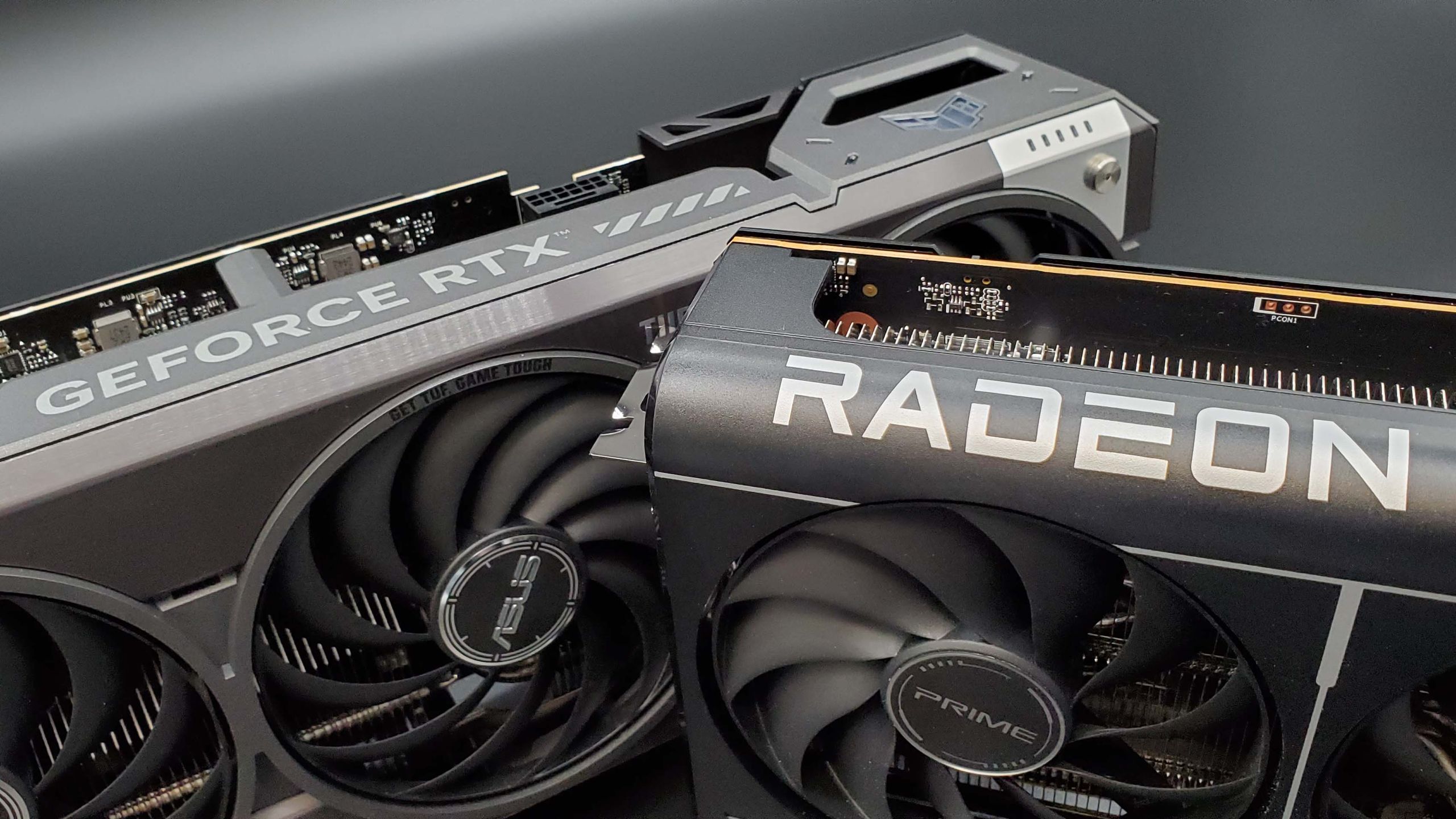
- FSR 4 for Vulkan: First official third-party support, enabling upscaling in Vulkan-native games.
- DX12 backend: Uses DirectX 12 for processing while the game runs on Vulkan.
- Linux compatibility: Works via Proton/Mesa with manual setup (no native Linux support).
- Performance impact: Minimal overhead, with FSR 4’s quality modes (Sharpness, Performance) fully accessible.
- Target hardware: AMD RX 9000-series GPUs (RDNA 4 architecture).
This isn’t just a technical workaround—it’s a workaround for a broader issue. AMD’s reluctance to natively support FSR 4 in Vulkan games has left a gap that OptiScaler now fills. The tool’s existence highlights a frustration among AMD users: why should Vulkan gamers be second-class citizens when the tech exists to support them? For now, OptiScaler provides the answer.
The update also underscores why Vulkan matters. Beyond Linux, some games—like Doom Eternal—perform better on Vulkan than DX12, especially on older hardware. FSR 4’s arrival for these titles could mean smoother gameplay at higher resolutions without sacrificing visual fidelity. That said, the solution isn’t perfect: manual setup is required, and Linux users will need to navigate Proton/Mesa configurations.
For AMD’s part, the company has been gradually expanding FSR 4 support, but the pace has left many wondering why Vulkan wasn’t prioritized earlier. OptiScaler’s fix isn’t just a stopgap—it’s proof that the demand for FSR 4 on Vulkan is real. Whether AMD will eventually close this gap officially remains to be seen, but for now, gamers have a working alternative.
Pricing and official availability for OptiScaler remain unchanged—it’s a free, community-driven tool. No release date is confirmed for broader adoption, but the current test build is already functional for those willing to tinker.